मुलांची वाढ व विकास

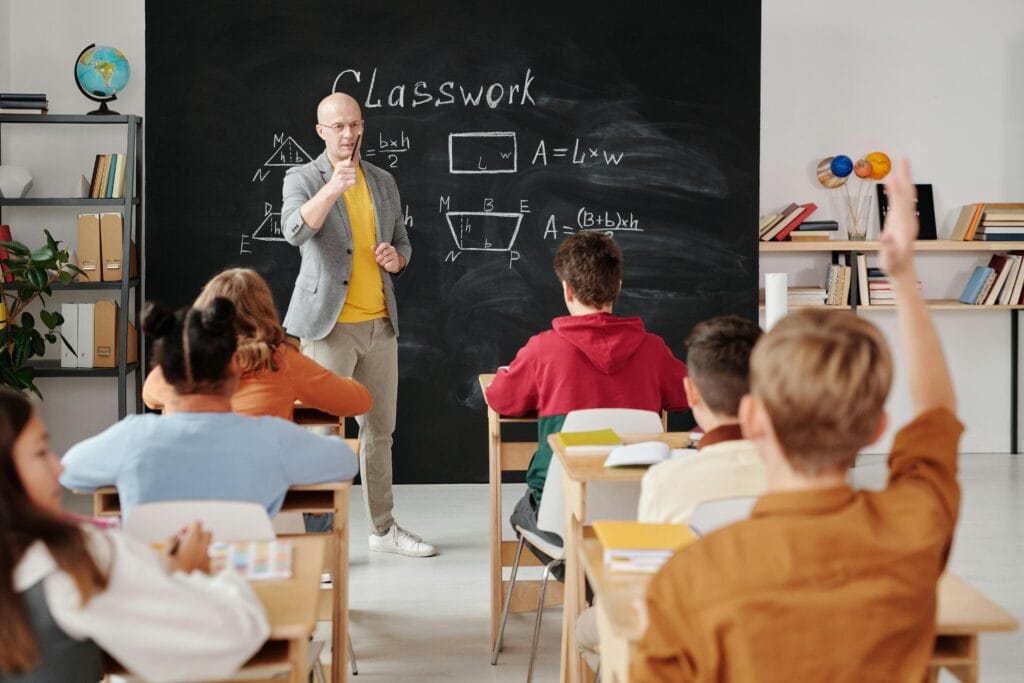
Teacher Asking a Question to the Class

School Safety: Are We Leaving Our Children to Fate?

#10 Accidents in schools can often be prevented. However, when they do occur, it’s crucial to handle them systematically. The safety of children within school premises is ultimately the responsibility of the school management. Yet, when everyone is considered responsible, it can lead to a situation where, effectively, nobody feels accountable. That’s why responsibility needs to be assigned to specific individuals. Designating a Child Safety Officer Every school should appoint a “Child Safety Officer” from among the teaching staff. This person should be well-versed in safety rules and management protocols. They would not only lead their own team but also work alongside the Principal, class teachers, and student monitors to foster a culture of safety. Together, they can organize child safety and first aid training sessions for teachers, parents, and students. Ensuring Safe Handovers and Monitoring At the school gate, a responsible staff member should oversee the handover of students to their guardians. It’s essential to verify the identity of the person picking up the child and to document any suspicious activities. This includes collecting information about taxi and auto drivers, such as their names, addresses, and phone numbers. For school buses, strict adherence to safety rules is non-negotiable. Visibility and Preparedness While on school premises, children should always be within the line of sight of responsible adults. A first aid kit should be readily available at a designated spot. Any incidents should be documented thoroughly, including detailed descriptions and signatures from witnesses. Furthermore, a notice board should display emergency contact numbers for the Child Safety Officer, Principal, administration, doctors, ambulances, fire stations, and police. In the case of a medical emergency, having a nearby doctor on call, along with a written agreement regarding fees and consent from parents for treatment, is essential. Addressing Child Abuse and Safety Issues Child abuse is a serious issue that requires a proactive and planned approach. This involves identification, prevention, and corrective measures. Abuse can take many forms—physical, sexual, psychological, or neglect. Schools should ensure that children are never out of sight of staff members, and efforts should be made to avoid isolated areas. Any external labor should be supervised directly by designated school staff, with proper identification recorded. Corporal punishment has no place in our schools; it’s a crime. Children tend to behave well when they know they will be appreciated, rather than out of fear of punishment. Any suspicion of abuse should be documented and reported immediately. Behavioral issues, mental health problems, and incidents of bullying, fighting, or addiction must not be overlooked. Special considerations for the safety of handicapped children are also essential. The Urgency for Action Currently, it seems that no one is taking the safety of school children seriously—neither parents, schools, communities, nor the government. Children are often left at the mercy of fate. It’s time for action, not just discussion. Let’s prioritize the safety and well-being of our children before it’s too late. – Dr. Anil Mokashi (Pediatrician)MBBS, MD, DCH, FIAP, PhD (Child Growth and Development)

School Safety: Are We Leaving Our Children to Fate? Read Post »
Embracing the Digital Age – A Grandfather’s Dilemma : Part 2

#09 Children’s minds are highly adaptable, and they quickly learn to navigate the digital world. Their brains are incredibly flexible – a phenomenon called “neuroplasticity.” In fact, during the first three years of life, a child’s brain forms over a million new connections every second! Exposure to digital media can enhance listening, comprehension, and decision-making skills, which is why the younger generation often seems “smarter” than we were at their age. However, many misconceptions surround technology, particularly smartphones. Misinformation and fear drive assumptions that screens cause issues like insomnia, cancer, anxiety, ADHD, and more. While these concerns are valid to some extent, many are exaggerated or based on pseudoscience. We must approach these issues with a balanced, scientific perspective, especially as artificial intelligence and other technologies increasingly integrate into our daily lives. Teaching Responsible Digital Use It’s crucial to teach children how to be safe and responsible in their use of technology. Here’s a list of essential digital safety principles for children: – Dr. Anil Mokashi (Pediatrician)MBBS, MD, DCH, FIAP, PhD(Child Growth and Development)

Embracing the Digital Age – A Grandfather’s Dilemma : Part 2 Read Post »

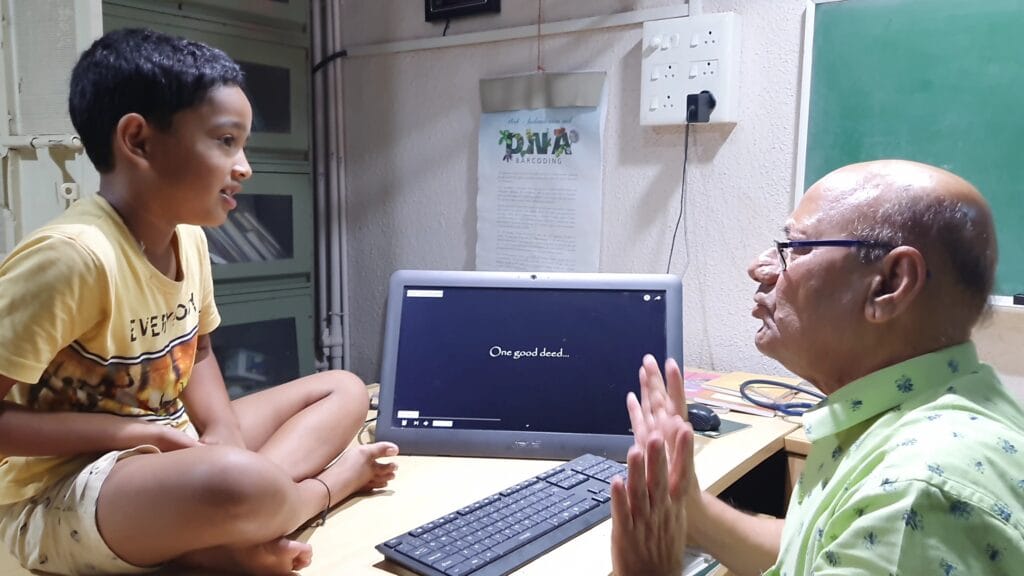
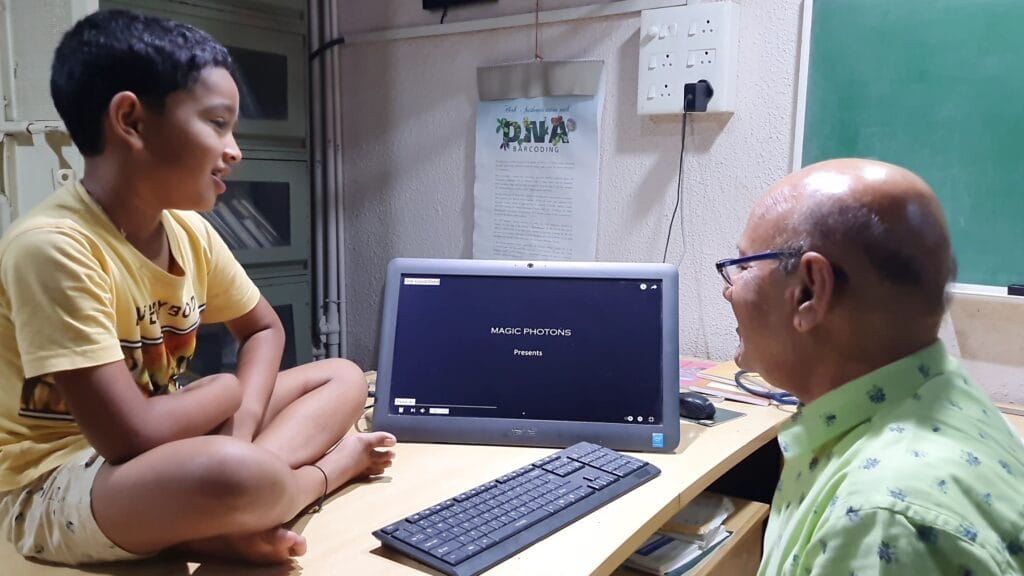
Grandfather & Grandson

Embracing the Digital Age – A Grandfather’s Dilemma : Part 1

#08 “Aaba, I want to start my own vlog. Will you help me?” Samihan (9). When my nine-year-old grandson asked me this question, I found myself at a crossroads. As a grandfather with over 50 years of experience as a developmental pediatrician and a Ph.D. in child growth and development, I’ve always preached about the dangers of screen time, mobile devices, and the negative impacts of technology on young minds. Yet here was my grandson, full of curiosity, eager to learn and create something new in a world shaped by technology. So, should I shut him down? Should I push him away from modern tools that might define his future? As much as I want to rely on my decades-old knowledge, I realized that times have changed. My decisions today cannot be rooted in the past. Instead of sending him to a ‘typing class,’ I now must consider encouraging his exploration of the digital world, just as I would have embraced a computer class back in the day. Today’s children are introduced to gadgets before they even learn to walk or talk. If mobile devices haven’t “ruined” adults, why do we assume they’ll harm children? The real issue isn’t the devices themselves – it’s our fear of the unknown. We’re unfamiliar with the effects of this new technology, and that fear drives our concerns. It’s reminiscent of the initial reactions to landlines, television, and even the internet. At first, we resisted these innovations, but once we became familiar with them, we accepted their place in our lives. The digital revolution has already reshaped the world, and it’s up to us to prepare our children for this 21st-century reality. They need to be taught how to use technology safely and responsibly. We teach them how to ride bicycles, drive cars, and swim – the same logic should apply to the digital realm. The Benefits of Digital Technology for Children The “Goldilocks Effect” The key to benefiting from technology is moderation. The Goldilocks Effect suggests that, like Goldilocks finding the perfect bowl of porridge, there’s an ideal amount of time children should spend online. Too much or too little can be harmful, but research shows that 1-2 hours a day is optimal for mental well-being. Beyond this, the risks increase, so it’s essential to guide children towards balanced usage. – Dr. Anil Mokashi (Pediatrician)MBBS, MD, DCH, FIAP, PhD (Child Growth and Development)

Embracing the Digital Age – A Grandfather’s Dilemma : Part 1 Read Post »

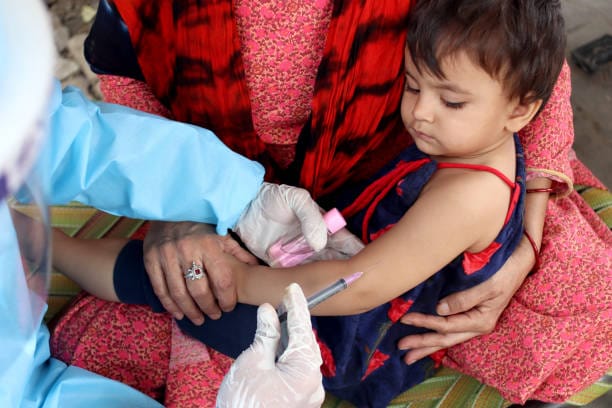
कोविड-19 लसीवरील वाद: वैज्ञानिक दृष्टिकोन आणि लहान मुलांसाठी लसीकरणाचे महत्त्व

#06 कोरोना लसीचा वाद कोरोनाच्या लसीवरून बराच वाद सुरू आहे. या वैज्ञानिक किंवा वैद्यकीय प्रश्नावरचा वाद राजकीय आहे. कोविड-19 महामारी ही या शतकातील सर्वात भीषण मानवी आपत्ती होती. या महामारीमध्ये प्रत्येकाने एक तरी जवळची आणि प्रिय व्यक्ती गमावली आहे. लोकांचे जीव वाचवण्यासाठी उपाय शोधणे ही आणीबाणीची समस्या होती. जगभरातल्या मानवजातीसाठी लसीचा जलद विकास, वितरण आणि लसीकरणाची प्रशासकीय व्यवस्था हा एकच मार्ग उपलब्ध आहे. हे साथीच्या सुरुवातीच्या टप्प्यावरच स्पष्ट झाले होते. हे अत्यंत अवघड काम होते. सुदैवाने महामारी येण्यापूर्वीच आपल्याला व्हायरसची जीनोमिक आणि संरचनात्मक माहिती होती. मानवजातीच्या संहारक शत्रूला आपण वैज्ञानिक दृष्ट्या चांगलेच ओळखत होतो. कोरोनाच्याच कुटुंबाविरुद्ध आधी फ्लूची आणि नंतर स्वाईन फ्लूची लस आपण बनवलेली होती. आपल्याला यशस्वी अनुभव होता. लवकरात लवकर लस उपलब्ध करण्यासाठी, “1ल्या, 2ऱ्या, 3ऱ्या टप्प्याच्या अखंड चाचणीचे धोरण” उपयोगी पडले. बाजारात अनेक प्रकारच्या कोविड-19 लसी उपलब्ध आहेत. प्रत्येक प्रकाराच्या उत्पादनाचे तंत्रज्ञान वेगळे आहे. सर्वोत्तम तंत्रज्ञान निवडणे हे शास्त्रज्ञांचे काम आहे. सध्या जगात खालील प्रकारच्या कोविड लसी उपलब्ध आहेत:1) एमआरएनए लस.2) ॲडीनोव्हायरस वेक्टर लस.3) प्रोटीन लस.4) होलसेल इनॲक्टिव्हेटेड व्हायरल लस.5) मोनोक्लोनल ॲन्टीबॉडीज. संशोधन केलेली लस सुरक्षित आहे आणि परिणामकारक आहे याची खात्री झाल्याशिवाय लस नियामक अधिकारी तिच्या वापराला परवानगी देत ​​नाहीत. आंतरराष्ट्रीय व भारतीय लस नियामक अधिकारी जनतेच्या हिताचे रक्षण करण्यासाठी पुरेसे जबाबदार आहेत. याबाबत शंका घेण्याचे काहीच कारण नाही. लहान मुलांमध्ये कोविड-19 लस लहान मुलांमध्ये कोविड-19 झालेल्यांची संख्या कमी आहे, हे खरे आहे. झाला तरी त्याची तीव्रता कमी आहे, हेही खरे आहे. पण आपण सगळ्यांनी “सिरीयस इम्यून रिस्पॉन्स सिंड्रोम” (एसआयआरएस) झालेली मुले मृत्युमुखी पडतांना आपल्या डोळ्यांनी पाहिली आहेत. जे कुणी मरतात, ते बिचारे 100% मरतात. ही एक दुर्दैवी आकडेवारी आहे. करोनाबाधित मुलांसाठी ‘संख्याशास्त्र’ लागू पडत नाही. संख्याशास्त्र हे “सार्वजनिक आरोग्य धोरण ठरवण्यासाठी” उपयुक्त आहे, वैयक्तिक संरक्षणासाठी नाही. लहान मुलांना लसीकरण केल्याने समुदाय संक्रमण (पॉप्युलेशन ट्रान्समिशन) रोखता येते. लहान मुलांनाही कोविड-19 लस द्यायलाच हवी. त्यांचे संरक्षण करायलाच हवे. तसे अभ्यास जगभर चालू आहेत. कोविड-19 लस, हे एक ‘अनाथ औषध’ (ऑरफन ड्रग) आहे. कोणतीही लस हे आजार टाळण्यासाठी दिले जाणारे औषध आहे. ‘पुरेशा’ प्रकाशित पुराव्याअभावी 1) मुलांना कोविड-19 लसीचा लाभ मिळू शकत नाही आणि 2) कोविड-19 लसीला बाल ग्राहक मिळू शकत नाही. अशा औषधाला अनाथ औषध म्हणतात. म्हणून कोविड-19 लस हे अनाथ औषध आहे. कोविड-19 बद्दलचे अनुत्तरीत प्रश्न कोविड-19 संबंधी अनेक प्रश्न अनुत्तरीत आहेत. त्यासाठी काळ हे एकच उत्तर आहे. उत्तरे काळाच्या पोटात दडलेली आहेत. 1) लसीचे संरक्षण किती काळ टिकेल?2) लसीचे बूस्टर डोस आवश्यक असतील की नाही?3) या लसी खरोखरच सुरक्षित आहेत का?4) संरक्षणासाठी कोणत्या पातळीची प्रतिकारशक्ती आवश्यक आहे?5) लस रोगापासून, संसर्गापासून, किंवा दोन्हीपासून संरक्षण करते का?6) लस दिलेल्या सर्वांना परिणामकारक आहे का?7) म्युटेशन होऊन, रूप बदलणाऱ्या नवीन प्रकारांचे परिणाम काय आहेत? या सर्व प्रश्नांची उत्तरे येणारा काळच देईल. कदाचित काही वर्षे लागतील. त्यांना आज कोणीही उत्तर देऊ शकत नाही. या प्रश्नांची उत्तरे न्यायालयांच्या अखत्यारीत येत नाहीत. हे विज्ञान आहे. शुद्ध आधुनिक विज्ञान. व्हॅक्सीनॉलॉजीचे फिजिक्स, केमिस्ट्री आणि मॅथेमॅटिक्स. लसीकरण शास्त्राचे भौतिकशास्त्र, रसायनशास्त्र, आणि गणित. त्यामुळे कोविड-19 लस ही एक वैज्ञानिक आणि वैद्यकीय समस्या आहे. त्याबद्दलची चर्चा त्या व्यासपीठावरच व्हायला हवी. ती राजकीय समस्या नाही. लस संशोधन कोणत्याही देशाशी, कंपनीशी, धर्माशी, राजकीय पक्षाशी जोडायला नको, तर मानवतेचे, मानवी जीवनाचे रक्षण करण्याच्या विज्ञानाशी जोडायला हवे. आधुनिक लसी ही वैज्ञानिक प्रगतीची फळे आहेत. – विद्यावाचस्पति डॉ. अनिल मोकाशी (बालरोगतज्ञ) एमबीबीएस, एमडी, डीसीएच, एफआयएपी, पीएचडी (मुलांची वाढ व विकास)

कोविड-19 लसीवरील वाद: वैज्ञानिक दृष्टिकोन आणि लहान मुलांसाठी लसीकरणाचे महत्त्व Read Post »

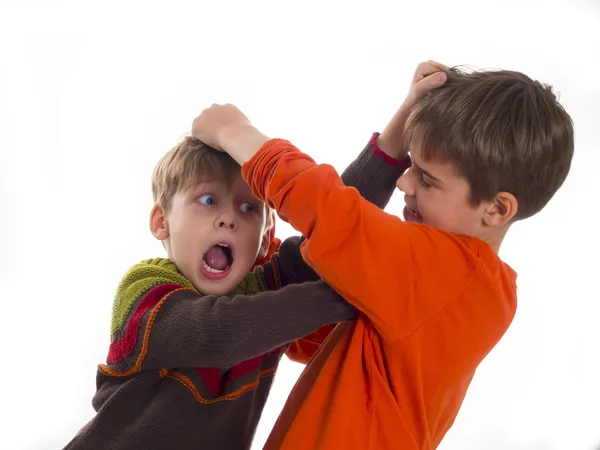
Children fighting

मुलांमधील भांडणांचे समाधान – भांडण सोडवण्याचे तंत्र

#05 पतंगांवरून हमरी तुमरीची भांडणं. आरव आणि निरव दोघे चांगले मित्र होते. एकत्र खेळायचे, एकत्र अभ्यास करायचे, एकत्र शाळेत जायचे यायचे, एकत्र डबा खायचे. पण एक दिवशी सगळे बिघडले. संक्रांतीचा दिवस होता. दोघे पतंग उडवत होते. आरवचा चमकदार निळा होता, तर निरवचा सोनेरी पिवळा. दोघांचेही पतंग आकाशात उंच भरारी घेत होते. दोघं खुशीत होते. पण अचानक जोराचा वारा सुटला. त्यांचे पतंग जवळ जवळ आले. आरवचा पतंग निरवच्या पतंगात अडकला. आरवने पतंग सोडवण्यासाठीमांजा जोरात खेचला. पण सुटायच्या ऐवजी निरवचा पतंग फाटू लागला. “इतक्या जोराने ओढू नकोस, माझा पतंग फाटतोय”. निरव ओरडला. “तूच माझ्या मधे मधे येतोयस. तुझा पतंग लांब ने बरं”, आरव ओरडला. काय होतंय काही कळण्या आधीच गुंताडा झाला. दोन्ही पतंग फाटले. आणि तुकडे तुकडे होऊन जमिनीवर पडले. निरव त्वेषानी आरवच्या अंगावर धावून गेला. “तू माझा नवीन पतंग फाडलास”. आरव काय ऐकून घेतो काय. त्यानी निरवची गचांडीच धरली. “तू माझ्या मध्ये आलास, म्हणून माझा पतंग फाटलाय”. पतंगांप्रमाणेच दोघांची मैत्रीही फाटली होती. दोघे एकमेकांचे शत्रू झाले होते. दोघे एकमेकांवर धावून आले होते. प्रसंग बाका होता. आता मारहाणी शिवाय पर्याय नाही. आरवचे आजोबा बाकावर बसून हे सगळं बघत होते. ते म्हणाले. अरेच्या, पतंगांचा ॲक्सिडेंट झालेला दिसतोय. पतंग धडकलेले दिसतात एकमेकांना. बापरे दोन्ही पतंगांचा चोळामोळा झालाय या ॲक्सिडेंट मधे. पण यात अजून एक मोठी गडबड झाली आहे. जेव्हा दोन पतंग आकाशात एकमेकात अडकतात, तेव्हा उडवणाऱ्या दोघांनी, एकमेकांना सहकार्य केलं तर गुंता सुटू शकतो. जोपर्यंत दोघं एकमेकांना सहकार्य करत नाहीत, तोपर्यंत गुंता सुटूच शकत नाही. तुमच्या दोघांच्या बाबतीत हेच झालं आहे. तुम्ही एकमेकांवर चिडले आहात. अरे तुमच्या मैत्रीलाच तिढा पडलाय. फक्त पतंगाच्या मांजाला नाही. एकमेकांना दोष देऊन हा गुंता सुटणार नाही. ओरडण्याऐवजी, भांडण्या ऐवजी चर्चा करा, एकमेकांना मदत करा. काहीतरी मार्ग निघेल. या दोन फाटक्या पतंगांना जोडून, चिटकवून एक नवा पतंग तयार करता येईल का रे? मुलं म्हणाली हो, सहज करता येईल. दोघांनी मिळून पतंगाचे तुकडे एकत्र करून एक छान मोठा, रंगीबेरंगी पतंग तयार केला. आणि एकत्र उडवायला लागले. आरव आणि निरव, दोघांचाही राग शांत झाला होता. आपले भांडण झाले होते हेही दोघे विसरून गेले. सॉरी निरव, आरव म्हणाला. मी पण सॉरी आहे, निरव म्हणाला. गुंतलेला पतंग असो किंवा मित्रांमधील भांडण, एकत्र येऊन समंजसपणाने सोडवले तर नक्की सुटतात. ओढाताण केली तर संबंध तुटतात. एखाद्या वेळेस हातपाय देखील मोडतात. विद्या वाचस्पति डाॅ. अनिल मोकाशी.एमबीबीएस, एमडी, डीसीएच, एफआयएपी, (मुंबई).पीएचडी (मुलांची वाढ व विकास)

मुलांमधील भांडणांचे समाधान – भांडण सोडवण्याचे तंत्र Read Post »

मतिमंद आहे हो तुमचं बाळ !

बाळ अपंग आहे हे आईवडीलांना पहिल्यांदा सांगण्याइतकं कठीण काम डॉक्टरांच्या आयुष्यात दुसरं कुठलं नसेल. बाळाच्या अपंगत्वाच्या निदानाचा आईवडीलांना बसणारा धक्का डॉक्टरांनी कौशल्याने व व्यावसायिक दयाभावनेने हाताळून कमी करता येईल. अपंगत्वाच्या निदानात पहिल्यांदा काही महिन्यात कुटुंबाला आधार द्यायला हवा. पण असे क्वचितच घडते. काळजीने कुटुंब उध्वस्त होते. फार कमी पालक अपंगत्वाचे निदान लगेच मान्य करतात. डॉक्टरांनी योग्य मार्गदर्शन केले नाही तर कुटुंबाला फार दुःख सहन करावी लागते. अनेक कारणांनी कायमस्वरूपी अपंगत्व येते. हालचालींवर व विकासावर मर्यादा येतात. मतिमंदत्व, सेरेबल पाल्सी, अंधत्व, मुकबधीरत्व, शैक्षणिक अक्षमता, संपर्क अक्षमता आणि शारीरिक अपंगत्व असे विविध प्रकारचे अपंगत्व वेगवेगळे किंवा एकत्रपणे येऊ शकते. बाळ जन्माच्या वेळी एक नवी आशा जन्माला येते. नवजात बाळाच्याभोवती भविष्याची सुंदर, बुद्धिमान व यशस्वी बाळाच्या अपेक्षेने देवधर्म केला जातो. बाळ दिसामासी वाढत जाते. पण इतर मुलांसारखं हसणे, मान धरणे, पालथं पडणे, बसणे हे काहीच घडत नाही. कुटुंबाच्या मनात शंकेची पाल चुकचुकते. बाळाला डॉक्टरांकडे नेले जाते. पण डॉक्टर काहीच सांगत नाहीत. किंवा रिपोर्ट करायला सांगतात. टॉनिकची औषधे लिहून देतात. अपेक्षित सुधारणा होत नाही. आता घरातले, वडीलधारी, शेजारी मध्ये पडतात. त्यांच्या अशास्त्रीय, निरर्थक अंधश्रद्धांवर आधारित सल्ल्यानुसार धर्मभोळे उपचार सुरु होतात. आशेचा किरण पूर्णपणे विझून जातो. पहिले निदान सांगणाऱ्या डॉक्टरांचीच कुटुंबाला मार्गदर्शन करण्याची जबाबदारी आहे. डॉक्टरांचे सर्वात महत्वाचे काम आहे आजाराच्या निदानाची खात्री करणे. बाळाला पहिल्यांदाच बघितल्यावर निदानाची खात्री होणे कधीकधी शक्य नसते. पण एकदा खात्री झाल्यावर आई व वडील दोघांनाही खरंखरं स्पष्टपणे सांगणे आवश्यक असते. अपंगत्वाची तीव्रता सुद्धा स्पष्ट करायला हवी. आजाराच्या काही मुद्द्यांबाबत काही संधीग्धता असेल तर ती प्रामाणिकपणे सांगायला हवी. अर्थात या खरेपणाला व्यायसायिक दयाभावनेचीही जोड हवी पहिल्यांदांच अपंगत्वाचे निदान सांगितल्यानंतर सर्व पालक ते मान्य करतीलच असे नाही. अविश्वासाबरोबरच डॉक्टरचा रागही येऊ शकतो. दुसऱ्या डॉक्टरांना दाखवून घेणे साहजिक आहे. डॉक्टरांनी अशावेळी रागवून चालत नाही. रागवल्याने संबंध बिघडू शकतात. बाळाच्या अपंगत्वाला पालक जबाबदार नाहीत याविषयी त्यांना विश्वास द्यावा लागतो. अपंगत्वाचे कारण वैद्यकीय ज्ञानाप्रमाणे सांगता येत नसेल तर धीर देणे जास्तच महत्वाचे असते. त्यामुळे पालकांमध्ये येणारी अपराधाची भावना टाळता येते. मुलाच्या अपंगत्वाला सुनेला जबाबदार धरण्याच्या प्रवृत्तीबद्दल ही जागरूक रहायला लागते. एकमेकांना जबाबदार धरून निष्कारणच कौटुंबिक कलहसुद्धा सुरु होऊ शकतो. तो टाळण्याचे कामही पहिल्यांदा निदान सांगणाऱ्या डॉक्टरांचेच असते. अपंगत्वाचे व्यवस्थापन व्यवस्थापनात उपचार देखील येतात. पण उपचारापेक्षा व्यवस्थापनच जास्त महत्वाचे असते. अपंगत्वाने आलेल्या मर्यादांचा आढावा घेऊन सोप्या भाषेत पालकांना त्याचा खुलासा करावा लागतो. पुढे काय करायचे याची योजना बनवावी लागते. व्यवहार्य उद्दिष्ट्ये समोर ठेऊन त्यात यश मिळवण्यासाठी मार्गदर्शन करावे लागते. उदाहरणार्थ, बसणे, रांगणे इ. अपयशाने नैराश्य येते व यशाने प्रयत्न करण्याची उमेद वाढते. अपंगत्वाचे निदान लवकर तर उपचार लवकर व यश जास्त. मतिमंदत्व हा आजार नाही. त्याला औषध नाही. इंजेक्शन नाही. बाळाचा विकास व शिक्षण पुढे जाण्यासाठी लागणारे अनुभव अपंगत्वामुळे त्याला मिळत नाहीत. विकासाच्या प्रत्येक टप्प्यावर असे अनुभव मिळावे अशी व्यवस्था करावी लागते. अशा मुलांचा समाज व परिसराशी जास्त संबंध मुद्दामून आणावा लागतो. त्यांना समाजापासून लपवून ठेवण्याने नुकसानच जास्त होते. मतिमंदत्व लपवू नका ते झाकून ठेवता येत नाही. ब्लॅक सिनेमात राणी मुखर्जीच्या चेहऱ्यावर पडणाऱ्या पावसाच्या थेंबांनी तिच्या स्पर्शज्ञानांनी जागृत अवस्था आली व तिच्या अपंगत्वाचे व्यवस्थापन योग्यरीतीने झाले. म्हणून अपंगाचा परिसराशी संपर्क वाढवावा. अतिसंरक्षण व अतिउत्तेजनांमध्ये संपर्क राखावा लागतो. मुलांचे बालपण आनंदी ठेवणे हे मुख्य उद्दिष्ट्य असते. विकासाचे टप्पे गाठायला वेळ लागू शकतो. आणि पालकांना सहनशक्ती व चिकाटी शिकवावी लागते. पुढचे बाळ असेच होईल का? हा हमखास येणारा प्रश्न आहे. अपंगत्वाचे कारण अनुवांशिक असेल, एकरक्तसबंधी असेल तर निदानाप्रमाणे सोप्या, समजेल अशा भाषेत माहिती द्यावी लागते. काही रिपोर्टच्या मदतीने सल्ला द्यावा लागतो. एकत्र काम करणे अपंगत्वाच्या परिणामाबाबत पालकांचे प्रशिक्षण हळूहळू करावे लागते. त्यांच्या मनाची तयारी करावी लागते. आहे तो दोष मान्य करून पुढे शिकवावे लागते. एखाद्या बाळाला झटके येण्याची शक्यता असते, त्यांची तयारी करावी लागते. पूर्ण चांगलं करता येणार नसलं तरी योग्य काळजी व उपचार करून खूप काही साधता येतं. इतर अपंगांची ओळख करून द्यावी. अपंग गटात सामील करून घ्यावे. अपंगांच्या विशेष शिक्षकांची, शाळेची ओळख करून द्यावी. तेवढ्या विशेष शाळा सगळीकडे उपलब्ध नाहीत. कुटुंबीय, व्यवसायिक व समाजसेवी संस्था यांनी एकत्रितपणे आशेचा किरण विझू न देता भविष्याची वाटचाल करावी.

मतिमंद आहे हो तुमचं बाळ ! Read Post »

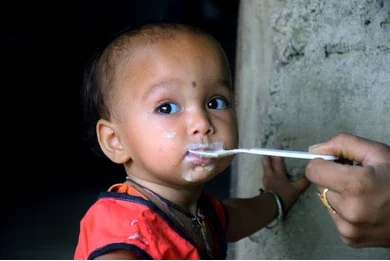
Weaning in India: Encouraging Self-Feeding and Balanced Nutrition

Weaning is a critical phase in a child’s development, marking the transition from exclusive breastfeeding to a full family diet. This period typically spans from six months to around two years. The process of weaning is not just about the diet shift; it’s an active journey for the child, guided by instinct and self-reliance. The Active Role of the Child in Weaning Both exclusive breastfeeding and transitioning to a full family diet are active processes driven primarily by the child. While the mother provides support, the child is the one who actively engages—be it through breastfeeding or learning to self-feed. In breastfeeding, for instance, the mother offers milk, but it is the child who actively takes it. Understanding this activeness is crucial for healthcare providers when supporting mothers in establishing breastfeeding. Without recognizing the child’s inherent role, efforts to help the mother can fall short. Breast Crawl and the Instinct of Self-Feeding Many of us are familiar with the “Breast Crawl” video by UNICEF and BPNI Maharashtra. This eye-opener demonstrates how newborns instinctively root and suckle immediately after birth. This natural behavior highlights that milk is expressed through the baby’s inherent ability to latch onto the breast. Similarly, the transition to a full family diet emphasizes self-feeding. However, in India, traditional practices often overlook this aspect. Feeding a child with semisolids or solids by the mother or caretaker does not constitute weaning; it is considered a faulty feeding technique. True weaning is achieved when the child starts self-feeding, a milestone that has significant psychological and developmental implications. A self-feeding child becomes independent, confident, and enjoys food without it being a point of contention between the mother and child. Feeding as a Habit, Not a Question of Appetite A child’s eating habits are often more about routine than appetite. Mothers often express concerns like, “He just does not eat anything.” What they usually mean is, “He does not eat what, when, or how much I want him to.” Statements like, “He gives a lot of trouble over eating,” actually reflect the mother’s struggles, not the child’s. Forced feeding brings numerous drawbacks, and often, the real issue is “over-mothering.” Mothers must be made aware of how overindulgence can harm their child’s nutrition, growth, and development. The Full Family Diet: Balancing Tradition and Nutrition In the Indian context, a full family diet implies a balanced diet. However, it is mistakenly assumed that all families cook and consume balanced meals. The reality is far from this assumption. Often, the staple diet is not nutritionally balanced, and imbalanced diets contribute more to malnutrition than inadequate diets. The issue isn’t just poverty; it’s a lack of awareness. Surprisingly, even well-to-do, educated families have stunted children simply because they don’t understand proper nutrition. Indian kitchens are governed by tradition rather than nutritional science, often overlooking the importance of a balanced diet. Fruits and vegetables, for instance, are viewed by many as luxuries rather than essentials. Scientific recommendations like “five servings of fruits daily” are rarely followed, as the general mindset doesn’t prioritize nutrition. Many families pride themselves on the high consumption of cow’s milk by their children. While milk from an Indian breed cow may hold cultural value, it is not necessarily a nutritious choice for children. We often see stunted, anemic, and constipated children due to excessive consumption of animal milk, which should not be a staple of weaning diets. Weaning foods should be semisolid—not liquid, not solid. Common foods like rice water, dal water, vegetable soup, chicken soup, and fruit juice, though popular, are not suitable for weaning as they are liquid diets. The Weaning Process: A Blend of Self-Feeding, Semisolid Foods, and Balanced Nutrition The successful conclusion of weaning should ideally happen around the child’s second birthday, depending on the child’s developmental maturity rather than their chronological age. The key components of weaning are: Conclusion Our dietary advice to mothers must be rooted in the socio-economic context while integrating scientific nutritional knowledge. By emphasizing the importance of self-feeding, balanced diets, and the active role of the child, we can support healthy and successful weaning in the Indian setting.

Weaning in India: Encouraging Self-Feeding and Balanced Nutrition Read Post »

Scroll to Top