Child & Parental Guide

Close-up of a cheerful toddler in a high chair, playfully engaged indoors.

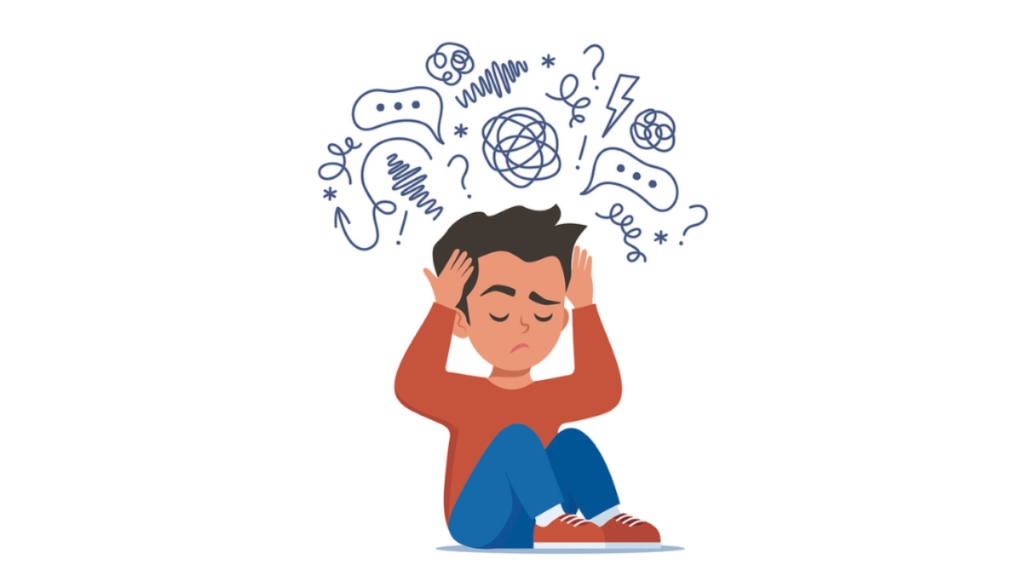
Behaviour Problems: What Are They Telling Us?

Behaviour Problems: What Are They Telling Us? When we talk about behaviour problems in children, we often feel that something is “wrong” with the child. But if we observe carefully, we notice a pattern. Children who are developing normally today often show more stubbornness, arguing, and disobedience.At the same time, many children with intellectual challenges appear more attached, respectful, and emotionally connected to their parents and teachers. This looks surprising. We usually expect the opposite. So what is happening here? The answer may not be in intelligence.The answer may be in relationship. Let us first understand what we mean by a “problem child.” A problem child is a child who is difficult to raise and educate.The difficulty may be due to intellectual disability, learning disability, autism, hearing impairment, or some other condition. In such situations, many parents slowly come to an acceptance:“जैसा है, वैसा है… मेरा है, प्यारा है.” This acceptance changes the way they deal with the child.They become more patient, more connected, more involved. Because of this, the child’s behaviour often remains within an acceptable range. Now look at the other side. With typically developing children, we often expect everything to be perfect by default.When they show anger, resistance, or disobedience, we react quickly. We correct. We scold. Sometimes we label. But we forget one important thing. Even in typically developing children, some behaviour will be imperfect.That is part of growing up. If we only react to “wrong behaviour” without accepting the child,a distance slowly develops. And behaviour starts reflecting that distance. A child who feels connected listens more easily.A child who feels distant resists more. This is where the caregiver ecosystem becomes important. Parents, grandparents, teachers, and everyone around the child together create this ecosystem.If this ecosystem is supportive, patient, and emotionally connected, behaviour improves naturally.If it is stressful, critical, or distant, behaviour problems increase. So the question is not:“How do we control behaviour?” The better question is:“How do we strengthen the caregiver ecosystem and stay connected while guiding behaviour?” It is always better to tell what is expected than to keep reacting to what is wrong. Speak clearly. Stay calm. Stay close. Children do not first learn from what we say.They learn from how they feel with us. Accept the child. Guide the behaviour.Connection first—correction later. मुलाची चुकीची वागणूक आपल्याला काय सांगते आहे? मुलाचं काही चुकलं, की आपल्याला वाटतं — याचं काहीतरी बिघडलं आहे.“कुछ तो गड़बड़ है…” पण जरा विचार केला, तर एक वेगळंच चित्र दिसतं. नॉर्मल मुलं अनेकदा हट्टीपणा करतात. उलट बोलतात, विनाकारण वाद घालतात. ऐकत नाहीत. तर बौद्धिक अडचणी असलेली (मतिमंद ) मुलं पालकांशी आणि शिक्षकांशी जास्त जोडलेली, आदर करणारी, आणि भावनिकदृष्ट्या जवळची दिसतात. जरा आश्चर्य वाटेल, पण हे खरं आहे.या क्षेत्रात काम करणाऱ्यांना हा अनुभव वारंवार येतो. आपली अपेक्षा मात्र याच्या अगदी उलट असते. आपल्याला नॉर्मल मुलं शहाण्यासारखी आणि मतिमंद, मूकबधिर मुलं वेड्यासारखी वागत असतील असं वाटतं. मग असं का होतं? उत्तर बुद्धीत नाही.उत्तर नात्यात आहे.रक्ताचं नातं नाही — भावनिक नातं. “प्रॉब्लेम चाइल्ड” म्हणजे काय?ज्याला वाढवणं आणि शिकवणं कठीण जातं, ते मूल “प्रॉब्लेम चाइल्ड” असते. ही अडचण बौद्धिक, शैक्षणिक, स्वमग्नता (ऑटिझम), मूकबधिर किंवा इतर कारणांमुळे असू शकते. अशा मुलांचे पालक अनुभवाने — कधी नाईलाजाने — एक गोष्ट शिकतात:“जैसा है, वैसा है, मेरा है, प्यारा है.” हा स्वीकार पालकांच्या, घरच्यांच्या, शिक्षकांच्या वागण्यात बदल घडवतो.ते अधिक संयमी होतात. जास्त लक्ष देतात. समंजसपणे वागतात. मग मूलही मर्यादेत राहून चांगलं वागायला लागतं. आणि दुसरीकडे… नॉर्मल मुलांकडून मात्र आपण अगदी आदर्श वागणुकीची अपेक्षा करतो.जणू काही चांदोबा मासिकातला गुणी गोपाळ… किंवा साने गुरुजींच्या “श्यामच्या आई”तला श्याम. तो रागावला, चिडला, उलट बोलला, की आपण लगेच तयार —ओरडायला, दुरुस्ती करायला, नावं ठेवायला. पण आपण एक गोष्ट विसरतो. प्रत्येक मूल कधी ना कधी चुकीचं वागणारच.तो वाढीचाच एक भाग आहे.मानसिक, भावनिक विकासाचा भाग आहे.तो “learning licence” वर आहे. आपण सतत चुका दाखवत राहिलो, आणि त्याला आहे तसा स्वीकारला नाही,तर हळूहळू तो आपल्यापासून मनाने दूर जाऊ लागतो. बोलणं कमी होतं.मनाने अंतर वाढतं. आणि ते अंतर वर्तनातून दिसू लागतं.नंतर चार हात लांबच राहणं पसंत करतो. अतीच झालं, त्याच्या सहनशक्ती पलीकडे प्रकरण गेलं तर दृष्टीआड राहू लागतो. आईवडिलांशी मोकळेपणाने बोलणारं मूल सहज ऐकतं.मनाने दूर गेलेलं मूल विरोध करतं. इथे “बालपणाचे सहकारी” (Partners in Childhood) महत्त्वाचे ठरतात. पालक, आजी-आजोबा, काका-काकू, आत्या-मावश्या, मित्र-मैत्रिणी, शिक्षक —हेच खरे बालपणाचे सहकारी असतात. हे सगळे मिळून मुलाभोवतीचं वातावरण तयार करतात. हे वातावरण जर आधार देणारं, संयमी आणि भावनिकदृष्ट्या जवळचं असेल,तर वर्तन आपोआप सुधारतं. आणि जर ते तणावपूर्ण, टीकात्मक आणि दूर ठेवणारं असेल,तर समस्या वाढतात. म्हणून प्रश्न हा नाही —“वर्तन कसं आटोक्यात ठेवायचं?” खरा प्रश्न आहे —“नातं जपत वर्तन कसं घडवायचं?” चुकीवर रागावण्यापेक्षा,काय अपेक्षित आहे ते स्पष्ट सांगणं अधिक उपयोगी. सरळ बोला. शांत रहा. जवळ बसा. आधार द्या. मुलं आपल्या शब्दांमधून नाही,तर आपल्या नात्यातून शिकतात. मुलाला स्वीकारा. वर्तनाला दिशा द्या.आधी नातं जपा — मग सुधारणा करा.बेस्ट लक – विद्यावाचस्पति डॉ. अनिल मोकाशी (बालरोगतज्ञ)एमबीबीएस, एमडी, डीसीएच, एफआयएपी,पीएचडी (मुलांची वाढ व विकास)
Behaviour Problems: What Are They Telling Us? Read Post »

A child in a red bow tie enjoys a healthy meal with vegetables indoors.

चांगल्या बाल आहाराचे सहा नियम

(Six Rules of Good Infant Nutrition) बालकाचा पहिला आहार हा त्याच्या आयुष्यभराच्या आरोग्याची पायाभरणी करतो. योग्य वेळी योग्य आहार मिळाला तर बाळाची वाढ, मेंदूचा विकास आणि रोगप्रतिकारशक्ती उत्तम राहते. बालरोगतज्ज्ञ म्हणून माझ्या अनुभवातून सांगतो – चांगल्या बाल आहाराचे काही साधे पण अत्यंत महत्त्वाचे नियम आहेत. १. पहिले सहा महिने – फक्त आईचे दूध बाळाला जन्मानंतर पहिले सहा महिने फक्त आईचे दूध द्यावे.या काळात पाणी, मध, गोड पाणी किंवा इतर कोणतेही अन्न देण्याची गरज नसते. आईचे दूध हेच बाळासाठी संपूर्ण आणि सर्वोत्तम अन्न आहे. २. सहाव्या महिन्यापासून खीर सुरू करा सहा महिने पूर्ण झाल्यावर बाळाला पूरक आहार (Complementary feeding) सुरू करावा. खीर देताना काही गोष्टी लक्षात ठेवा: खिरीत साधारणतः: चमचा वाकडा केल्यानंतर खीर वाहून जाऊ नये इतकी घट्ट असावी. पातळ अन्न – पातळ बाळ.घट्ट अन्न – घट्ट बाळ. ३. खिरीत प्रथिने (Protein) घाला बाळाच्या वाढीसाठी प्रथिने अत्यंत आवश्यक असतात. खिरीत खालील पदार्थ मिसळू शकता: घरी जे काही प्रोटीनयुक्त अन्न शिजवलेले असेल ते वाटून किंवा कुस्करून खिरीत मिसळा. आहारात मिश्रण आणि बदल असणे महत्त्वाचे आहे. ४. भाज्या आणि फळे घाला खिरीत बदल करून भाज्या आणि फळे घालावीत. यामुळे बाळाला: मिळतात आणि आहार संतुलित होतो. ५. दिवसातून चार वेळा पूरक आहार सहा महिन्यांनंतर बाळाला दिवसातून चार वेळा खीर द्यावी. वेळा साधारणतः: या व्यतिरिक्त इतर वेळी आईचे दूध द्यावे. ६. आजारी बाळाचे अन्न तोडू नका बाळ आजारी असताना अनेकदा अन्न कमी केले जाते.हे चुकीचे आहे. आजारी बाळाला अन्न देत राहणे आवश्यक आहे. अन्न बंद केल्यास: सातूचे पीठ – एक पौष्टिक पारंपरिक आहार (Sattu Flour – A Traditional Nutritious Food) सातू म्हणजे विविध धान्ये आणि कडधान्यांचे पौष्टिक मिश्रण. सातू बनवण्यासाठी सात घटक १. जवस२. गहू३. तांदूळ४. मका५. हरभरा६. मुग७. मटकी बनवण्याची पद्धत चव वाढवण्यासाठी: घालू शकता. हे सातूचे पीठ ६ महिन्यांच्या बाळापासून १०० वर्षांपर्यंत सर्वांसाठी पौष्टिक आहार आहे. जगातील सर्व आयांनी चांगल्या बाल आहाराचे हे नियम पाळले तर कुपोषण मोठ्या प्रमाणात कमी होऊ शकते. बाळाच्या आईने कोणते नियम मोडले आहेत हे समजून घेऊन त्या चुका सुधारण्यास डॉक्टरांनी मदत करावी.म्हणजे बाळाचे वजन वाढू लागते आणि आरोग्य सुधारते. – विद्यावाचस्पति डॉ. अनिल मोकाशी (बालरोगतज्ञ)एमबीबीएस, एमडी, डीसीएच, एफआयएपी,पीएचडी (मुलांची वाढ व विकास)
चांगल्या बाल आहाराचे सहा नियम Read Post »

Congenital Hearing Loss

Congenital Hearing Loss: कानाबरोबर शरीरातील इतर संकेतही ओळखा

Most common co-morbidities of congenital hearing impairment Clinically, when we see a child with congenital hearing impairment, we should almost automatically think — “What else should I actively look for?” Here are the 5 most common co-morbidities you’ll encounter in practice: 1️⃣ Speech and Language DelayThis is the most universal and predictable co-morbidity.Expressive language delayReceptive language difficultiesArticulation disordersEven mild bilateral loss can significantly affect phonological development if not identified early.Early amplification + auditory-verbal therapy changes the trajectory dramatically. 2️⃣ Developmental Delay (Global or Specific) Especially in syndromic cases or children with:Congenital infectionsHypoxic injuryGenetic syndromesMotor delay may coexist, particularly in children with vestibular dysfunction (inner ear involvement). 3️⃣ Visual ProblemsVery important and often under-screened. Refractive errorsRetinitis pigmentosa (e.g., in Usher syndrome)Structural eye anomaliesBecause hearing-impaired children rely heavily on visual input, even minor visual defects become functionally significant. 4️⃣ Cardiac AnomaliesSeen in syndromic conditions like:Jervell and Lange-Nielsen syndrome (long QT + deafness)CHARGE syndromeDown syndromeAn ECG is not a luxury in bilateral congenital SNHL — it’s prudent. 5️⃣ Thyroid and Metabolic DisordersParticularly:Pendred syndrome (hearing loss + thyroid dysfunction)Iodine metabolism defectsSome inborn errors of metabolismThyroid screening is often overlooked in rural setups.Bonus (Very Common in NICU Graduates)Cerebral palsyAutism spectrum disorderLearning disordersNot rare in children with risk factors like prematurity, hyperbilirubinemia, or perinatal asphyxia. A Practical Pediatric Take-HomeWhen you diagnose congenital hearing impairment, think in 3 directions simultaneously: SCREENING CHECKLISTFor Special Teachers in Hearing-Impaired Schoolsश्रवणदोष असलेल्या मुलांच्या शाळेतील विशेष शिक्षकांसाठी तपासणी यादी (If repeatedly observed, inform parents and advise medical review.)(वारंवार दिसल्यास पालकांना कळवा व वैद्यकीय तपासणी सुचवा.) 1) VISION CONCERNS | दृष्टीसंबंधी अडचणी 2) SPEECH & COMMUNICATION | भाषा व संवाद 3) DEVELOPMENT & LEARNING | विकास व शिक्षण 4) BALANCE & MOTOR SKILLS | समतोल व हालचाल कौशल्य 5) CARDIAC WARNING SIGNS | हृदयासंबंधी लक्षणे 6) GROWTH & THYROID CONCERNS | वाढ व थायरॉईड संदर्भातील अडचणी URGENT REFERRAL NEEDED | तात्काळ डॉक्टरांकडे पाठवा Note for Teachers:If something feels unusual for this child, trust your observation and inform parents and authorities. शिक्षकांसाठी सूचना:मुलामध्ये काही वेगळे किंवा असामान्य वाटल्यास, आपल्या निरीक्षणावर विश्वास ठेवा आणि पालकांना व वरिष्ठाना कळवा. – विद्यावाचस्पति डॉ. अनिल मोकाशी (बालरोगतज्ञ)एमबीबीएस, एमडी, डीसीएच, एफआयएपी,पीएचडी (मुलांची वाढ व विकास)
Congenital Hearing Loss: कानाबरोबर शरीरातील इतर संकेतही ओळखा Read Post »

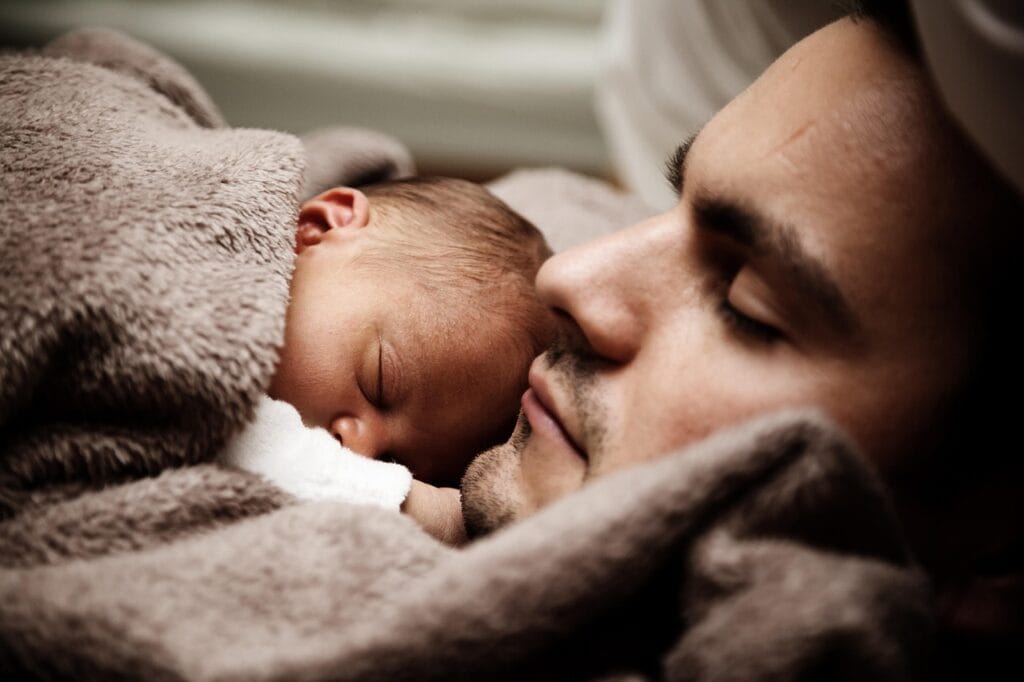
man & child

“लहान मूल” ही “मोठ्या माणसा”ची छोटी प्रतिकृती नसते!

हे बालपणाच्या विज्ञानाचं मूलभूत तत्व आहे.गर्भधारणेच्या पहिल्या दिवसापासून ते मुलगा “पुरुष” आणि मुलगी “स्त्री” होईपर्यंत, हा विचार लागू राहतो.बालपणाच्या प्रत्येक टप्प्यात हे समजून घेणं फार महत्त्वाचं असतं.बालरोगतज्ज्ञांना हे चांगलंच माहीत असतं. पण त्यातील काही गोष्टी पालकांना आणि कुटुंबालाही समजायला हव्यात.मुलांची जबाबदारी घेताना, प्रत्येक टप्प्यात त्यांच्या गरजा, शरीर, मन आणि विकास समजून घेणं आवश्यक असतं. १. शरीररचना आणि कार्यातील फरक (Anatomy and Physiology) २. औषधोपचारातील फरक (Pharmacology) ३. विकासाचे टप्पे (Developmental Stages) जसं फुलपाखराला अंड्यापासून फुलपाखरूपर्यंत टप्पे असतात,तसं माणसाच्या जीवनातही विकासाचे टप्पे असतात: गर्भावस्था०-९ महिनेशरीर व मेंदूची प्राथमिक घडण नवजात०–२८ दिवसश्वसन, तापमान नियंत्रण, स्तनपानशैशव१ महिना – २ वर्षेवेगाने शारीरिक वाढ, भाषा विकास शालेयपूर्व२ – ५ वर्षेहालचाली, सवयी, भावबंध शालेय वय६ – १२ वर्षेबौद्धिक, सामाजिक वाढ किशोरावस्था१२ – १८ वर्षेलैंगिक परिपक्वता, स्व-ओळख तारुण्य व वृद्धावस्थापुढे…जबाबदाऱ्या, मानसिक समतोल ४. मानसिक आणि सामाजिक गरजा जागरूक पालकत्वासाठी टिप: “आजारी पडलं की डॉक्टर” हे जुने धोरण आता पुरेसं नाही.“मुलासाठी डॉक्टर” हेच नव्या काळाचं योग्य धोरण! शुभेच्छा – जागरूक पालकत्व, निरोगी बालपण! – विद्यावाचस्पति डॉ. अनिल मोकाशी (बालरोगतज्ञ)एमबीबीएस, एमडी, डीसीएच, एफआयएपी,पीएचडी (मुलांची वाढ व विकास)
“लहान मूल” ही “मोठ्या माणसा”ची छोटी प्रतिकृती नसते! Read Post »

वेडा बहिरा तानाजी आणि शहाणी बहिरी सुनिता

वेडा बहिरा तानाजी आणि शहाणी बहिरी सुनिता 

तानाजी आणि सुनिता — दोघेही बारा वर्षांचे, ग्रामीण शेतकरी कुटुंबातील, आमच्या मूकबधिर शाळेतील विद्यार्थी. पण दोघांत साम्य इतकंच. तानाजी सगळ्यांचा नावडता, तर सुनिता सगळ्यांची आवडती. एके दिवशी शाळेत खेळताना भांडण झाले. झोंबाझोंबी झाली. तानाजीने सुनिताचा हात खूप जोरात पिरगळला. सुनिता रडू लागली; तिचा हात हलत नव्हता. बाईंनी तानाजीला दोन धपाटे दिले आणि दोघांच्याही आई-वडिलांना शाळेत बोलावले. नेहमीप्रमाणे वाद, आरोप-प्रत्यारोप सुरू झाले. तानाजीच्या वडिलांचा संयम सुटला. प्रकरण माझ्यापर्यंत आले. डॉक्टर म्हणून आणि संस्थेचा अध्यक्ष म्हणून मी लक्ष घातले. त्यांचे म्हणणे होते —“बाईंनी मुलांकडे लक्ष द्यायला हवं होतं. मुलांच्या भांडणात मध्ये पडून तानाजीला न्याय द्यायला हवा होता. सगळे त्याला बाजूला सारतात, त्याच्याशी वाईट वागतात. सुनिता सगळ्यांची लाडकी आहे. शिक्षक पक्षपात करतात. अशा शिक्षकांना शाळेतून काढून टाकायला पाहिजे.” सुनिताचा हात फक्त मुरगळला होता; फ्रॅक्चर किंवा डिसलोकेशन नव्हतं. म्हणजे प्रश्न वैद्यकीय नव्हता — सामाजिक होता. मी दोघांच्याही केस हिस्टरी पाहायचं ठरवलं. पालकांना “लक्ष घालून प्रश्न सोडवीन” असं सांगून घरी पाठवलं. तानाजी : “वेडा बहिरा” म्हणून वाढलेलं बालपण तानाजी पूर्ण बहिरा आहे हे त्याच्या आई-वडिलांना तो चार वर्षांचा होईपर्यंत समजलंच नाही. तो हट्टी आहे, आळशी आहे, ढ आहे असंच ते समजत राहिले. पहिल्या वर्षापर्यंत तो छान होता. दीड वर्षाचा झाल्यावर चालायला-खेळायला लागला. घरात त्याची लहान बहीण लता आली. सुरुवातीला सगळं सुरळीत होतं. लता हसू लागली, आईला प्रतिसाद देऊ लागली. आई तिच्याशी बोलू लागली, खेळू लागली. तानाजी मात्र कोपऱ्यात एकटाच बसू लागला. आई आपल्याकडे दुर्लक्ष करते, असा त्याला राग येऊ लागला. एकदा त्याने दोन वर्षांच्या लताचा हात जोराने पिरगळला. लता रडू लागली; तानाजी मात्र हसू लागला. आई घाबरली. तिने त्याला “वेडा” समजायला सुरुवात केली. आई-वडिलांचे धपाटे सुरू झाले. एकदा पाणवठ्यावर शेजाऱ्यांनी विचारलं, “तुझा तानाजी बहिरा आहे का? अजून बोलत नाही.” आईने रागाने नकार दिला. दूर उभ्या तानाजीला तिने हातवारे करून बोलावलं. तो तिच्याकडे आला. आईला वाटलं — तो ऐकतो. पण प्रत्यक्षात तो हातवाऱ्यांवर प्रतिक्रिया देत होता. लता अंगणवाडीत जाऊ लागली. मित्र-मैत्रिणी, गाणी, खेळ, नाच — तिचं जग रंगत होतं. तानाजी मात्र एकटाच. हळूहळू तो चिडका, आक्रस्ताळा आणि भांडखोर झाला. कुणी त्याला खेळायला घ्यायला तयार नसे. बाजारातील प्रसंग एकदा आईसोबत बाजारात गेल्यावर त्याने नकळत दुकानातील आंबा उचलला आणि खायला लागला. दुकानदाराने “चोर” म्हणून मारायला सुरुवात केली. आईनेही भर बाजारात त्याला मारलं. तो जमिनीवर लोळू लागला, ओरडू लागला. शेवटी आई नरमली. “आणखी एक आंबा घेते, पण घरी चल,” म्हणाली.चुकीच्या वागणुकीला नकळत बक्षीस मिळालं. संध्याकाळी वडिलांना कळल्यावर त्यांनी त्याला मारलं आणि ओरडले —“चार शब्द बोलायला कधी शिकणार? मूर्ख आहेस, नालायक आहेस!” तानाजीला शब्द समजत नव्हते; पण एक गोष्ट समजली — कोणीच मला आवडत नाही. तो घराबाहेर पळून गेला. तासन्‌तास भटकत राहिला. हळूहळू घराबाहेर राहण्याची त्याला सवय लागली. वळणबिंदू शेवटी आई त्याला मूकबधिर शाळेत घेऊन आली. श्रवणचाचणीत तो बहिरा असल्याचं स्पष्ट झालं. पण स्वभाव आड येत होता. तो सगळ्यांशी भांडायचा. त्याचे वडील म्हणाले — “शाळेतून काढून टाका. गोट्या खेळत बसेल दिवसभर.” माझ्या लक्षात आलं — गोट्या खेळणं हीच त्याची क्षमता आहे.मी शाळेत गोट्यांच्या स्पर्धा घेतल्या. तानाजी पहिला आला. मग पतंग, कबड्डी, खो-खो, मलखांब — सर्व खेळांत तो पुढे राहिला. जिल्हास्तरीय स्पर्धेतही त्याला बक्षीस मिळालं. बक्षीस घेताना त्याच्या वडिलांच्या डोळ्यांत पाणी होतं. त्यात “धन्यवाद” होता. त्याचा फोटो वर्तमानपत्रात छापून आला. कुटुंबाला ओळख मिळाली. तानाजीचा आत्मविश्वास वाढला.आता तो “वेडा बहिरा तानाजी” राहिला नव्हता. सुनिता : योग्य वेळी मिळालेली साथ सुनिता दहा महिन्यांची असताना तिचा सात वर्षांचा भाऊ लक्ष्मणाने लक्षात आणलं की ती आवाजाला प्रतिसाद देत नाही. घरच्यांनी तपासणी केली. पुनर्वसन केंद्रात श्रवणचाचणी झाली — ती बहिरी असल्याचं निश्चित झालं. केंद्रात पालकांना मार्गदर्शन मिळालं. घरात सांकेतिक भाषा वापरायला सुरुवात झाली. खुणांसोबत शब्दही बोलले जाऊ लागले. हळूहळू तिला ओठांच्या हालचालींवरून शब्द ओळखता येऊ लागले. पाचव्या वर्षी ती काही शब्द ओठवाचनाने आणि शेकडो शब्द सांकेतिक भाषेत समजू लागली. ती आनंदी, सक्रिय, हुशार होती. मी तिची बुद्धिमत्ता चाचणी घेतली — आय.क्यू. १२१. सामाजिक कौशल्येही उत्तम. आम्ही बहुसंवेदी (multi-sensory) शिक्षणपद्धती वापरली — दृष्टी, स्पर्श, वास, चव यांच्या माध्यमातून जगाची माहिती दिली. आज ती शाळेतील सर्वांत हुशार विद्यार्थिनी आहे — अभ्यास, वाचन, हस्ताक्षर, चित्रकला, नृत्य, खेळ सगळ्यात पुढे. योग्य संधी मिळाली तर ती डॉक्टर किंवा नर्स होऊ शकते. पालकांसाठी काही सूचना ही कथा आपल्याला एक साधा पण महत्त्वाचा धडा देते —अपंगत्वापेक्षा मोठी समस्या म्हणजे गैरसमज, दुर्लक्ष आणि चुकीची वागणूक.आणि योग्य वेळी मिळालेली समजूत, प्रेम आणि संधी एखाद्या मुलाचं संपूर्ण आयुष्य बदलू शकते. – विद्यावाचस्पति डॉ. अनिल मोकाशी (बालरोगतज्ञ)एमबीबीएस, एमडी, डीसीएच, एफआयएपी,पीएचडी (मुलांची वाढ व विकास)

वेडा बहिरा तानाजी आणि शहाणी बहिरी सुनिता  Read Post »

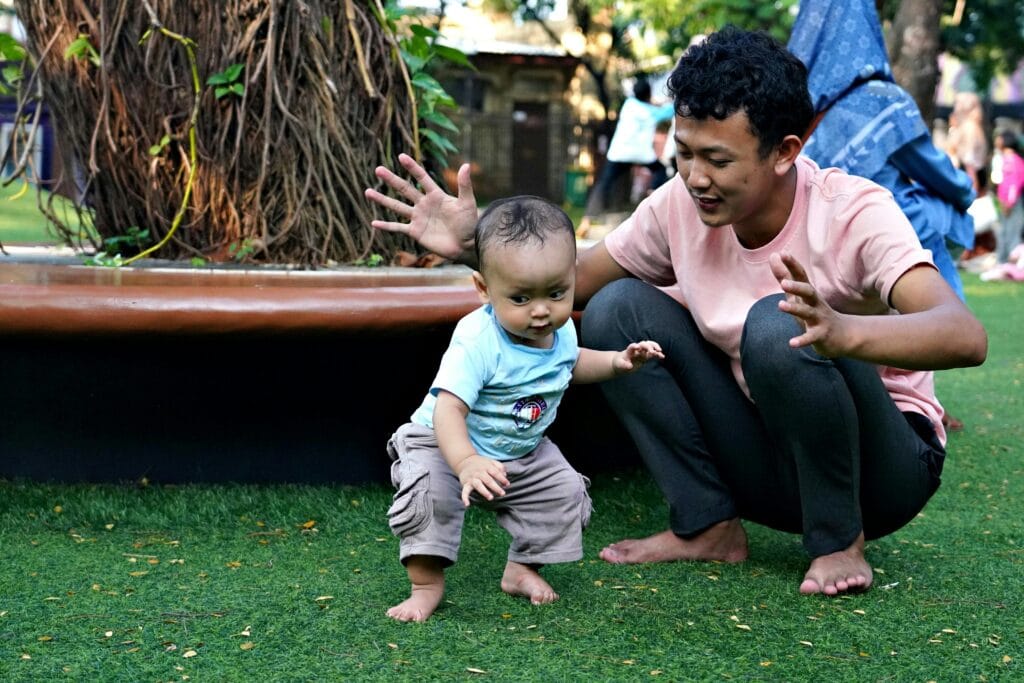
A father encourages his baby to take first steps on a sunny day in a park, barefoot on green grass.

Walking Is Biology and Physics, Not a Calendar

मुलं चालायला शिकतात वयानुसार नाही, तर शरीर तयार झाल्यावर. “चालायचं वय आलं” म्हणून मुलं चालायला लागत नाहीत.मुलांचं शरीर स्वतःचं वजन पेलायला तयार झालं,की मुलं चालायला लागतात. चालण्यासाठी मुलांच्या शरीराला लागते: हे सगळे घटक सहसा ठराविक वजनावर एकत्र येतात,वयावर नाही.अनेक मुलं सुमारे ८ किलो वजन झाल्यावर चालायला लागतात. ही जादू नाही.हे भौतिकशास्त्र + जीवशास्त्र यांचं गणित जुळणं आहे. म्हणूनच: विकसनात्मक टप्पे (developmental milestones)हे मार्गदर्शक आहेत, आदेश नाहीत.ते लोकसंख्येसाठी उपयुक्त असतात,पण प्रत्येक मूल चालतंते शरीर तयार झाल्यावर —डेव्हलपमेंटल चार्ट पाहून नाही. Children learn to walk not according to age, but when the body is ready. Children do not start walking because the “walking age” has arrived.They start walking when their body becomes ready to carry its own weight. For walking, the child’s body needs: All these factors usually come together at a certain body weight, not at a certain age.Many children start walking when they reach around 8 kg body weight. This is not magic.This is the matching of physics and biology. That is why: Developmental milestones are guidelines, not rules.They are useful for population-level assessment,but each child walks when the body is ready,not when a developmental chart says so. – विद्यावाचस्पति डॉ. अनिल मोकाशी (बालरोगतज्ञ)एमबीबीएस, एमडी, डीसीएच, एफआयएपी,पीएचडी (मुलांची वाढ व विकास)

Walking Is Biology and Physics, Not a Calendar Read Post »

Father and son posing playfully on a wooden dock by the water, enjoying a day outdoors.

२१व्या शतकातील पालकत्व आणि बालविकास : एक महत्त्वपूर्ण दृष्टिकोन

आजच्या डिजिटल युगात पालकत्व बदलत आहे आणि त्या बदलाचा वेग अत्यंत जलद आहे. इंटरनेटमुळे माहिती सहज उपलब्ध झाली असली, तरी योग्य आणि शास्त्रीय माहिती ओळखणं मात्र अधिक कठीण झालं आहे. अनेक पालक प्रेम, काळजी आणि अनुभव यांच्या आधारे मुलांना वाढवत असले तरी बालविकासाची खरी शास्त्रीय बाजू समजून घेणं आता अत्यावश्यक बनलं आहे. पालकांनी घेतलेले निर्णय मुलांच्या शारीरिक, मानसिक आणि भावनिक विकासावर थेट परिणाम करतात. त्यामुळे चुकीची माहिती, चुकीच्या सवयी किंवा गैरसमज यांचा परिणाम लहानपणीच होऊ शकतो. याच पार्श्वभूमीवर डॉ. अनिल मोकाशी यांनी पालकांसाठी अत्यंत महत्त्वपूर्ण मार्गदर्शन लिहिले आहे. हे मार्गदर्शन प्रत्येक पालकाने वाचावं, समजून घ्यावं आणि आपल्या दैनंदिन पालकत्वात लागू करावं. २१व्या शतकातील पालकांनी बालपणाचं शास्त्र समजून घ्यायलाच हवं. 1) आजचं पालकत्व पूर्वीसारखं राहिलेलं नाही.2) माहितीचा मारा वाढलाय, पण योग्य माहिती कमी आहे.3) प्रेम, काळजी आणि सामान्य माहिती पुरेशी राहत नाही.4) सुशिक्षित पालकांनाही अनेकदा “आपल्याला काय माहीत नाही” हे लक्षात येत नाही.5) म्हणूनच माहितीपूर्ण निर्णय घेणं आज अत्यावश्यक झालं आहे.6) मूल म्हणजे मोठ्या माणसाची छोटी प्रतिकृती नसते.7) फुलपाखराच्या जशा अंडे, अळी, कोश आणि फुलपाखरू अशा विकासाच्या अवस्था असतात,8) तशाच माणसाच्या गर्भावस्था, नवजात, शैशव, शालेय वय, किशोरावस्था, प्रौढावस्था अशा अवस्था असतात.9) प्रत्येक टप्प्यावर शरीराची रचना बदलते.10) शरीराचं कार्य, मनोवस्था, आहार आणि गरजा बदलतात.11) प्रत्येक टप्प्यावर वेगळ्या समस्या आणि वेगळे आजार दिसतात.12) हा फरक समजून न घेतला तर चांगले निर्णय चुकू शकतात.13) डॉक्टर फक्त आजारपणात लागतो असं नाही.14) बालरोगतज्ज्ञ म्हणजे बालपणाचं शास्त्र जाणणारा माणूस.15) तो काय सामान्य आहे, काय नाही, हे ओळखायला मदत करतो.16) शेजारी किंवा आजीपेक्षा डॉक्टराकडे जास्त शास्त्रीय माहिती असते.17) योग्य माहिती असलेले पालक योग्य वेळी योग्य निर्णय घेतात.18) ते घाबरत नाहीत, उगाच प्रयोग करत नाहीत.19) ते मुलाच्या वाढीत अडथळा न होता आधार बनतात.20) आणि म्हणूनच २१व्या शतकातील पालकांनीबालपणाचं शास्त्र समजून घ्यायलाच हवं. 21st-century parents must understand the science of childhood. 1) Parenting today is not the same as it was earlier.2) There is an overload of information, but very little right information.3) Love, care, and general knowledge are no longer enough.4) Even educated parents often do not realise what they do not know.5) Therefore, informed decision-making has become essential today.6) A child is not a miniature adult.7) Just as a butterfly has stages—egg, larva, pupa, and butterfly,8) human beings also have stages—fetus, newborn, infancy, school age, adolescence, and adulthood.9) At every stage, the structure of the body changes.10) Body functions, mental state, diet, and needs also change.11) Each stage has its own problems and illnesses.12) If these differences are not understood, wrong decisions are likely to be made.13) A doctor is not needed only during illness.14) A pediatrician is a person who understands the science of childhood.15) He helps parents recognise what is normal and what is not.16) A doctor has more scientific knowledge than a neighbour or even a grandmother.17) Well-informed parents take the right decisions at the right time.18) They do not panic or experiment unnecessarily.19) They support their child’s growth instead of becoming an obstacle.20) That is why 21st-century parents must understand the science of childhood. – विद्यावाचस्पति डॉ. अनिल मोकाशी (बालरोगतज्ञ)एमबीबीएस, एमडी, डीसीएच, एफआयएपी,पीएचडी (मुलांची वाढ व विकास)
२१व्या शतकातील पालकत्व आणि बालविकास : एक महत्त्वपूर्ण दृष्टिकोन Read Post »

A mother and daughter embrace and point at the sunset in a grassy field.

Mother, You and Your Child

A Journey of Changing CareFor Mother’s Day and Beyond From the very first breath your child takes, you become a mother—not just in body, but in mind, in soul, in every heartbeat. And from that moment until your last breath, you remain one. Mothering is not just feeding and protecting. It is caring and guiding. It is learning how to let go just enough—at the right time, in the right way. At this stage, your child needs you for everything—nourishment, sleep, warmth, and love. Your touch, your voice, even your scent is their world. Mothering here means total presence. Your baby doesn’t understand language yet, but understands comfort, rhythm, and consistency. This is when your child begins to explore. They walk, talk, question. You are still their anchor, but you are also their mirror. They imitate you, test limits. Here, mothering is about setting gentle boundaries and encouraging curiosity. Let them try, fall, and get up—under your watchful eye. Now the world begins to enter your child’s life—teachers, friends, books. Mothering shifts. You’re no longer the only voice, but still the most trusted one. Teach routines, values, health habits, emotional control. Support learning, but don’t overdo it. Allow space to grow socially and intellectually. Here comes the storm of change—physical, emotional, social. This is when parenting becomes hardest and most important. Your child wants freedom, yet secretly still needs safety. Don’t just control—connect. Talk less, listen more. Trust them gradually. Discuss, don’t dictate. Give independence, but draw clear lines of responsibility. This is where the foundations of lifelong resilience are built. Your child starts stepping out—career, relationships, choices. You worry. But this is the time to shift from protector to advisor. You have prepared them. Now let them try. Be a strong, quiet presence in the background—available, but not intrusive. By now, your child may have become a parent. You’re still a mother, but your role is wise and light-handed. Let them find their own way. Offer experience without imposing. You have not stepped back; you have grown forward. The Golden Thread: Care That Changes with Time What remains constant is love. What must change is the way it is shown. Overprotection delays growth. Too much distance creates fear. The art of mothering lies in knowing when to hold and when to let go. You are not just raising a child—you are shaping a person who must learn how to live, grow, adapt, and thrive in the world. Celebrate yourself this Mother’s Day. Not for being perfect, but for being present. Not for always knowing the answer, but for always being there to help find it. Becoming a mother may be natural — but understanding the science of childhood is not automatic.No mother is born with complete knowledge or expertise.She learns, adjusts, makes mistakes, and relearns — because the child keeps changing, and so does life. Raising a child isn’t only about love and instinct; it includes a thoughtful understanding of the child’s body, mind, health, prevention, and disease management.A wise mother knows when to seek timely help from professionals who understand child development better — not because she’s weak, but because she’s responsible. To grow as the child grows, the mother too must keep learning — not only new skills, but new perspectives. – Dr. Anil Mokashi (Pediatrician)MBBS, MD, DCH, FIAP, PhD(Child Growth and Development)

Mother, You and Your Child Read Post »

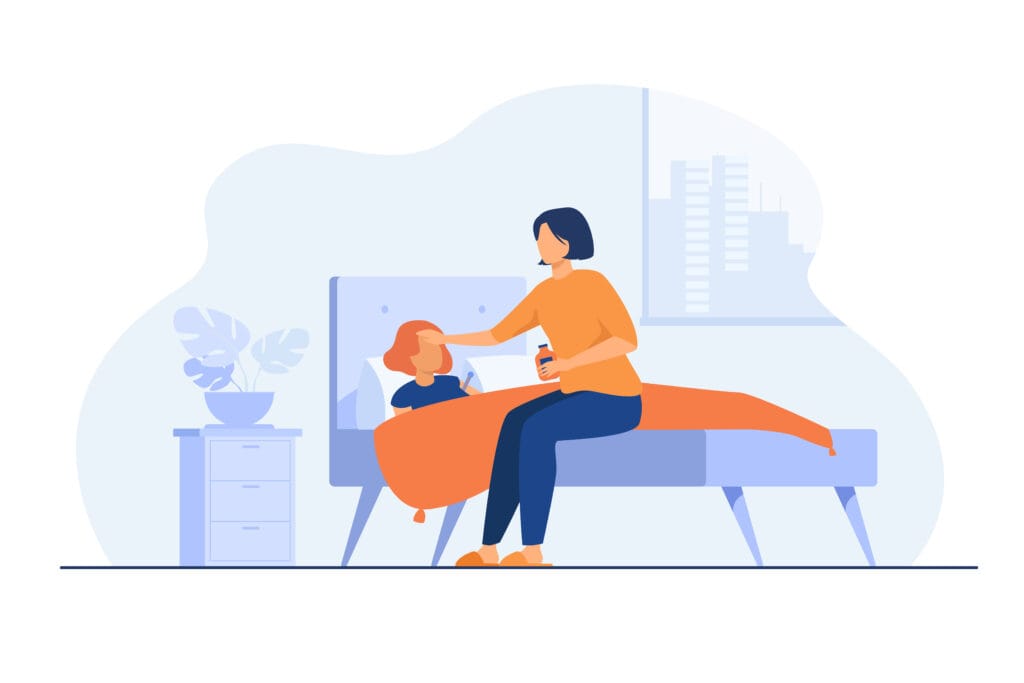
Mom taking care about sick child

बाळाचा ताप-सर्दी-खोकला आणि आई

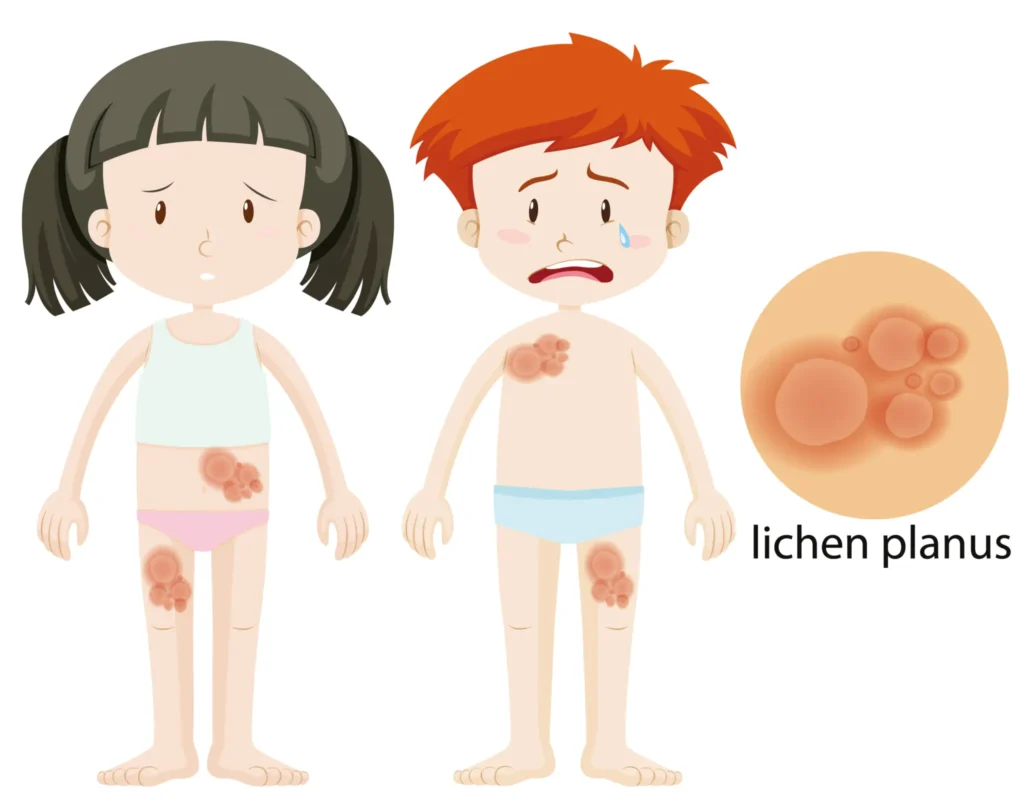
बाळाचा ताप-सर्दी-खोकला आणि आई बाळ आजारी पडले तर घरातील पहिली डॉक्टर आईच की! बाळाला ताप-सर्दी-खोकला झाला की पहिला प्रश्न येतो, आता काय करायचं? काळजी करण्यासारखं आहे की नाही, हे ठरवायचं कुणी. अर्थातच, आईनी. आईला जर वाटलं — “थोडं काळजी सारखं वाटतंय”, तर तिनं कुटुंबाला सांगायचं, आणि कुटुंबानं डॉक्टरकडे न्यायचं. हीच आपली कौटुंबिक मॅनेजमेंट साखळी. म्हणूनच, बाळाची पहिली जबाबदारी आईवरच असते. आणि त्यामुळे बाळाची आईला “माहितगार” होणे आवश्यक आहे. त्यासाठी महिन्यातून एकदा माहितगार बालरोगतज्ञाच्या संपर्कात, येणे आवश्यक आहे. सर्दी-खोकला (कॉमन कोल्ड) प्रत्येक माणसाच्या आयुष्यात हजार एक वेळा सर्दी-खोकला होतो. तो व्हायरसमुळे होतो. दरवेळी नवीन व्हायरस, म्हणजे नवी सर्दी. शरीर त्या व्हायरसशी लढतं, आणि त्याविरुद्ध प्रतिकारशक्ती तयार करतं. नवजात बाळाला सगळेच व्हायरस नवीन असतात. म्हणून पहिल्या वर्षी 10–12 वेळा सर्दी-खोकला होणं अगदी नॉर्मल आहे. मोठ्या मुलांना वर्षातून ५–६ वेळा, तरुणांना ३–४ वेळा, आणि वय वाढत जाईल तसं हे प्रमाण कमी होतं. सर्दी कशी होते आणि पसरते. सर्दी खोकला श्वासाने आणि स्पर्शाने पसरतो. कुटुंबात, शाळेत, प्रवासात, गर्दीत. म्हणूनच “मास्क वापरा, साथ टाळा.” कोरोना काळात आपण सगळ्यांनी मास्क वापरून आपले जीव वाचवले. अनेक आप्त स्वकीय जवळचे प्रेमाचे लोक देवा घरी गेले. पण अजूनही समाजाचे डोळे उघडले नाहीत. आजही सर्दी झाली तर कुणीही मास्क लावत नाही. अगदी डॉक्टर सुद्धा. मास्क लावण्याची प्रथाच, प्रचलित झाली नाही. खरे तर, बिनमास्कचे घर नको, बिनमास्कचा खिसा नको. हे आपले ब्रीदवाक्य व्हायला पाहिजे. सर्दी झाली की त्याला पहिला प्रतिसाद म्हणजे “मास्क वापरा” हा असायला हवा. घरात डिस्पोजेबल मास्कचा साठा हवा. डॉक्टर, शिक्षक, पालक — सगळ्यांनी ही मास्क संस्कृती रुजवायला हवी. ते त्यांचे सामाजिक कर्तव्य आहे. फळे, दही, थंड, खाल्ल्याने सर्दी होते हे खरे नाही. खोटे आहे. हा गैरसमज आहे! तो शेजारणीचा सल्ला आहे. किती पिढ्या आपण तो ऐकणार आहोत? कधीतरी डॉक्टरचे ऐका. विज्ञानाचे ऐका. सर्दी खाण्या-पिण्याने होत नाही. फळं, दूध, दही बंद करण्याची गरज नाही. उलट अन्नपाणी तोडल्याने बाळाचं नुकसानच होतं. बाळ उशिरा बरं होतं. सर्दीची लागण झाल्यावर शरीरात काय घडतं? व्हायरस शरीरात शिरतात आणि वेगाने वाढतात. दर 20 मिनिटांनी त्यांची संख्या दुप्पट होते! म्हणजे एका दिवसात कोट्यवधी व्हायरस शरीरात वाढतात. मग साधं संक्रमण “आक्रमणात” बदलतं. ही खरी लढाई आहे. आक्रमक व्हायरस विरुद्ध आपल्या प्रतिकारशक्तीची सेना. युद्धभूमी बाळाचे शरीर. काळजी सारखी सर्दी आहे की नाही, कसे ओळखावे. बाळ ताप-सर्दी-खोकल्यातही खेळतंय, खातंय, टवटवीत दिसतंय? तर विशेष काळजी नाही. पण बाळ गळून गेले आहे, निस्तेज आहे, बॅटरी डाउन झाली आहे, खात नाही, लघवी कमी होते, दम लागतोय, श्वास फास्ट आहे, बरगड्या आत खेचतायत. हा धोक्याचा इशारा आहे. बाळ झोपलं असताना एका मिनिटात 40 पेक्षा जास्त श्वास घेत असेल — डॉक्टरकडे जा. 60 पेक्षा जास्त — आजच दाखवा. 80 पेक्षा जास्त — आत्ताच हॉस्पिटलमध्ये न्या. श्वास घेताना नाकपुड्या हलत असतील, नखे किंवा ओठ निळसर दिसत असतील — जीवाचा धोका आहे. तात्काळ वैद्यकीय मदत घ्या. आजारी बाळाचे अन्न तोडणे पाप आहे. नेहमीचा आहार, खाणं-पिणं चालू ठेवा. द्रव पदार्थ भरपूर द्या. पाणी पाजा. आईचं दूध ओढता येत नसेल तर पिळून चमच्याने पाजा. थोडं थोडं, जास्त वेळा खाऊ घाला. श्वास मार्गाचे आजार आणि घरगुती उपचार घसा धरला तर मिठाच्या पाण्याच्या गुळण्या करा. कान ओला असेल तर कोरडा करा — औषधापेक्षा उपयोगी. मध, तुळस, आलं, लिंबू – हे घरगुती उपचार सुरक्षित असतात. औषध म्हणजे दुधारी शस्त्र सर्दी-खोकला बहुतेक वेळा आपोआप बरा होतो. निसर्गच त्याला बरे करतो औषधे क्वचितच लागतात. गरज नसताना दिलेल्या चुकीच्या धोकादायक औषधापेक्षा औषध न दिलेले जास्त चांगले. अँटीबायोटिकने व्हायरल सर्दी बरी होत नाही. पण आपल्या नेहमीच्या विश्वासाच्या डॉक्टरांनी दिल्यास त्यांच्या सल्ल्याने पूर्ण कोर्स घ्यावा. सर्दी होऊ नये म्हणून. सहा महिने फक्त आईचं दूध. पौष्टिक चौरस आहार ✅सरकारी + खाजगी, सर्व लसी वेळेवर ✅अ जीवनसत्वाचे डोस ✅मास्क आणि स्वच्छतेची सवय. बाळाच्या ताप-सर्दी-खोकल्यात आई म्हणजे पहिली डॉक्टर, पहिली नर्स, पहिली काळजीवाहक. माहिती हीच शक्ती. आई माहितगार झाली की घर सुरक्षित होतं. “मास्क वापरा, साथ टाळा.” बाळाची काळजी घ्या — पण घाबरू नका. निसर्ग, प्रतिकारशक्ती आणि आत्मविश्वास असलेली आई हीच खरी औषधं. – विद्यावाचस्पति डॉ. अनिल मोकाशी (बालरोगतज्ञ)एमबीबीएस, एमडी, डीसीएच, एफआयएपी,पीएचडी (मुलांची वाढ व विकास)
बाळाचा ताप-सर्दी-खोकला आणि आई Read Post »

Scabies in Child

Scabies (खरुज): A Family Skin Infection You Shouldn’t Ignore

Scabies Is caused by insects mites. Mites burrow tunnels into the skin. They lay eggs, leave poop : excreta, inside the tunnels. Allergy to mite, eggs or poop causes small itchy bumps and blisters. What to do. Scabies is a disease of family. Treating one child may not solve the problem. —————————— खरुज करणाऱ्या किड्यांना माइट्स असे म्हणतात. खरुज लहान मोठ्या कोणालाही होऊ शकते. रोज स्वच्छ आंघोळ करणाऱ्यांनाही खरूज होऊ शकते. खरजेचे किडे कातडी मध्ये स्वतःसाठी बोगदे खोदतात. अंडी घालतात, शी करतात. बोगद्यांच्या आतील किडे, अंडी किंवा शी च्या ऍलर्जीमुळे लहान खाज सुटते. कातडीवर पुरळ येते. फोड येतात. १. खाज सुटणे. (ही एक संवेदना sensation आहे) रात्री वाढते.२. पुरळ, कातडीच्या वर उठून दिसणारे.३. लांब, दोरीसारखे, एकमेकांना जोडलेले, किंवा वळणावळणाचे. लालसर.४. जाड, खवले, ओरखडे असलेली कातडी.(खाजवून ओरखडे येणे ही एक कृती action आहे)५. लहान मुले चिडचिड करतात. किरकिर करतात, रडतात.६. शरीराच्या कोणत्याही भागावर खरजेचे पुरळ येऊ शकतात.७. हातांवर (बोटांमधील खोबणी)८. मनगट, कोपर, हाताखाली. काखेत.९. कंबर, जांघेत.१०. मुलांचे डोके, चेहरा, मान, तळहात, तळपाय.११. खरुज हा संपूर्ण कुटुंबाचा आजार आहे. तो संसर्गजन्य आहे. एकमेकांचा एकमेकांना लागतो. स्पर्श, कपडे, अंथरुण पांघरूण , शाळेत, मोठ्या एकत्र कुटुंबात तो पसरतो. आईने काय करावे. १. माइट्स किड्यांवर उपयुक्त क्रीम किंवा लोशन. (सुरक्षिततेसाठी लोशन लहान मुलांचे हात पोचणार नाहीत असे उंचावर ठेवा) फक्त डॉक्टरांच्या सल्ल्यानुसारच औषध घ्या. डॉक्टर बेंझिल बेंझोएट किंवा परमेथ्रिन मलम किंवा क्रीम देऊ शकतात. २. औषध लावण्यापूर्वी मुलाच्या अंगावरील सर्व कपडे काढून मुलाला उघडे करणे आवश्यक आहे. संपूर्ण अंगाला लावा (मानेखाली, पायाच्या नखापर्यंत, मागून पुढून). रोज रात्री झोपण्याआधी. (८ ते १० तास त्वचेच्या संपर्कात). सकाळी आंघोळ घाला. स्वच्छ कपडे घाला. इस्त्री केली तर फारच छान. कपडे निर्जंतुक होतात. किडे व त्यांची अंडी देखील मरतात. सलग ३ दिवस औषध लावा. ३. नखे कापून बोटांच्या टोकांवर औषध लावा. ४. खरूज म्हणजे स्केबीज चे निदान बरोबर असेल तर २४ तासांनंतर नवीन पुरळ यायला नको. ५. गरज पडल्यास पंधरा दिवसांनी परत एकदा औषध लावावी लागते. गरज पडल्यास असे तीन वेळा लावता येते. ६. कधीकधी खाज कमी करण्यासाठी औषध द्यावे लागते. ७. खरुज टाळण्यासाठी, कुटुंबातील सदस्यांना, जवळच्या मित्रांना लक्षणे नसली तरीही त्वचेचे औषध लावा. कपडे गरम पाण्यात शक्यतो उकळत्या पाण्यात धुवा, उन्हात वाळवा. इस्त्री करा. त्यामुळे खरुज आजार निर्माण करणारे किडे, माइट्स, त्यांची अंडी मरतात. ८. पू, सूज, जिवाणू bacteria संसर्ग असल्यास, डॉक्टर अँटीबायोटिक्स देऊ शकतात. खरुज हा कुटुंबाचा आजार आहे.फक्त एखाद्या मुलावर उपचार करून प्रश्न सुटणार नाही. – Dr. Anil Mokashi (Pediatrician)MBBS, MD, DCH, FIAP, PhD(Child Growth and Development)

Scabies (खरुज): A Family Skin Infection You Shouldn’t Ignore Read Post »

आईबाबांनो, भांडा पण जरा जपून. मुलं शिकताहेत !

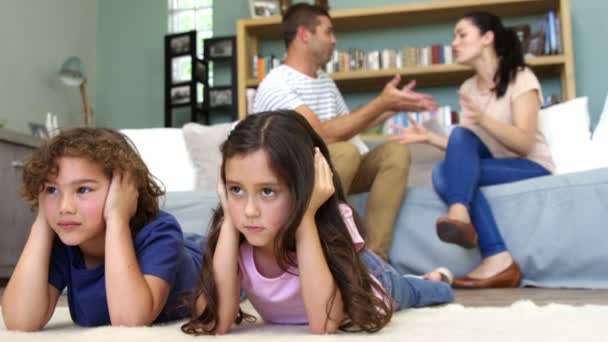
आई वडोलांचे भांडण ही मुलांची जागतिक समस्या आहे. भांडण बघतांना मुलांच्या रक्तात कॉर्टिसॉल नावाचे तणाव निर्माण करणारे इंद्रीयकियाप्रवर्तक (हारमोन) वाढते. मुलाला असुरक्षित वाटू लागते. वादविवाद, शिव्याशाप, धक्काबुक्की, मारहाण, फेकाफेकी अशा घटना वारंवार घडल्यास त्यांच्या मनावर, शिक्षणावर गंभीर व कायमस्वरूपी परिणाम होतो. आईवडीलांच्या भांडणात मुलं काळजीनी घेरली जातात. घाबरतात, भेदरतात. त्यांना वाटतं त्यांच्या मुळेच भांडण होत आहेत. त्यांच्यात अपराधीपणाची भावना निर्माण होते. आईवडील विभक्त होतील, घटस्फोट घेतील अशी त्यांना भिती वाटते. या तणावाखाली ती शाळेपेक्षा भांडणावरच आपलं लक्ष केंद्रीत करतात. वर्ग पुढे जातो. ती अभ्यासाात मागे पडतात. एकाग्रता कमी होते. अवधान काळ कमी होतो. त्यांची वर्तणूक बदलते. एकलकोंडी होतात. हसत नाहीत. कशात रस घेत नाहीत. हरवतात. चिडचिड, उलट बोलणे, उध्दटपणा, बेफिकीर वृत्ती, कुठेही दुखणे, अस्वस्थता, नैराश्य, नखे खाणे, गादी ओली करणे, बोबडेपणा, शाळा बुडविणे, आक्रमकता, इतरांशी न पटणे अशा पायरी पायरीने गंभीर मानसिक समस्या येवू लागतात. मुलांच्या शैक्षणिक पिछेहाटीसाठी, वर्तणूक समस्यांसाठी मुलांना दोष देण्याआधी त्यात कौटूंबिक भांडणाचा भाग किती याचा विचार करायला हवा. आई वडिलांनी भांडतांना स्वतःवर मर्यादा घालून घ्यायला हव्या. त्या पाळायला हव्या. भांडणप्रसंगी काय करावे:शांत रहावे. एक ते दहा आकडे म्हणून रागावर ताबा मिळवावा.राग शांत झाल्यावर समस्येवर चर्चा करावी.मोजून मापून, स्पष्टपणे योग्य शब्दात बोलावे.माफी मागायला व माफ करायला शिकावे.सहसंमतिने मधूनच ‘पाणी’, ‘चहा’, ‘इतर’ यासाठी ‘भांडणविश्रांती’ घ्यावी. भांडणप्रसंगी काय करू नये:मारहाण, धक्काबुक्की, धमकावणे नको.शिवीगाळ, निंदानालस्ती, सात पिढयांचा उध्दार नको.निघून जावू नये. त्यानी प्रश्न सुटत नाही.किंचाळून खेकसून बालणे नको. जाहीर भांडण नको.मुलांना भांडणात ओढायला नको.फक्त वयस्कांचे ‘लैंगिक’, ‘पैसे’, ‘सासुरवाडी’ असे विषय मुलांसमोर नको.जुन्या चुका, जुने मुददे उकरून उकरून भांडण नको. थोडीशी नोकझोक, वादविवाद हवेच. तो संसाराचाच एक भाग असतो. अगदी बंद दाराआड कुजबुजत भांडायची काही गरज नाही. आपल्या रागाला कुणाशी तरी बोलून वाट मोकळी करून देणं आवश्यक असतं. कुटूंबियांनी आपल्या भावना एकमेकांजवळ व्यक्त करायला हव्या. रागाच्या भरात बोललेलं सगळचं खरं नसतं हे मुलांना सांगायला हवे. कितीही भांडले तरी आईवडील एकमेकांवर प्रेम करतात हे त्यांना समजायला हवे. मुलांनी आई वडीलांना भांडतांना बघितल्यावर जुळवून घेतानाही बघायला हवे. त्यातून ते तडजोड किती जीवनावश्यक आहे, जुळवून कसे घ्यावे हे धडे शिकतील. पण भांडणं वारंवार, जास्त काळ चालणारी, जास्त तीव्रतेची होवू लागली तर सल्ला घ्यावा. दोघांचाही विश्वास असेल अशा वडीलधा-यांचा किंवा मानसशास्त्रज्ञाचा सल्ला घ्यावा. त्यातच संपूर्ण कुटूंबाचं हित आहे. भांडणाचं मूळ कारण शोधण्याचा प्रयत्न करावा. आर्थिक समस्या, दारूचं हाताबाहेर गेलेलं व्यसन, जुगार, पावित्रयाबद्दल शंका असे प्रश्न समुपदेशनातून उघड होतात व त्यांचे निवारण करता येते. म्हणून म्हणतो, आईबाबांनो, भांडा पण जरा जपून, तुमची मुलं बघताहेत, ऐकताहेत, शिकताहेत. – विद्यावाचस्पति डॉ. अनिल मोकाशी (बालरोगतज्ञ)एमबीबीएस, एमडी, डीसीएच, एफआयएपी,पीएचडी (मुलांची वाढ व विकास)
आईबाबांनो, भांडा पण जरा जपून. मुलं शिकताहेत ! Read Post »

Caring for Children with Different Needs

A child who is difficult to raise or educate is sometimes called a problem child. Many children do not develop or learn like others. They are different. They are special. They have special needs. “Special” does not necessarily mean abnormal. There are many special children around. SPECIAL CHILDREN The list is unending. It is a community pediatric problem. The causes of such difficulties are classified according to etiological factors: A pediatrician is the first contact person in case of any childhood problem, health or otherwise. He is supposed to identify and institute remedial measures. Calling any problem multidisciplinary is sometimes counterproductive. When everybody is responsible, in fact nobody is responsible. Here comes the role of child advocacy. Family and community connections with schools are many times the answer to educational needs of children with difficulties. SPECIAL PROBLEMS Formal education is designed for typical children, in typical families, in a typical community. Special needs children in formal school get the label of scholastic backwardness. “If he cannot learn the way we teach, we should teach the way he can learn.” That is the guiding principle of special schools. We need to identify the cause of “Red Lines in School Progress Card” and institute remedial measures. Special education in essence is remedial education. It is individualized education. Because of difficulties faced by special children, a formal school cannot cope with their needs. They need a special school. It is not enough to identify the branch as ‘special education’, or to call the teachers ‘special education graduates’. Special facilities with special syllabus and special curriculum need to be evolved. SPECIAL SCHOOL There are few schools for children with mental retardation and hearing impairment. Still fewer for the blind. There are hardly any facilities for slow learners, dyslexics, autistics. In many places these special children are grouped with children having intellectual disability. The flaw lies in government rules. Government wants to report all special children as mild intellectually disabled. Special schools need special teachers, smaller classes, capacity-building curriculum, developmental atmosphere (not just academic), audio-visual aids, do-it-yourself mode of learning, multisensory teaching programs (our specialty). A child needs 4 hours academic & 2 hours developmental syllabus. Extracurricular activities should be considered curricular activities. What he can do is more important than what he knows. Teach them doing things. Developmental syllabus promotes action. OPEN EDUCATION AND NIOS Open education is adjustable to the needs of an individual special child. It is non-competitive. The rat race for marks is eliminated. So are extra tuitions, extra homework, frustration, and resulting humiliation. With the help of open education a special child can enjoy learning. National Institute of Open Schooling (NIOS) has given us this opportunity to bring smiles on the faces of special children and their parents. NIOS is a statutory body established by the Human Resource Ministry of Government of India. It is like CBSE or SSC board. It is established for children who cannot attend formal school. Special children also cannot attend formal school. They do not like ‘this school’; the school does not like ‘this child’. Both struggle with each other. Best of the schools wait for a second-time failure and hand over the school leaving certificate. What happens to the child is none of their business. It is not their fault. They are not equipped to handle the child. NIOS Open Basic Education offers 3rd, 5th, 8th standard courses. Examination is conducted locally by our school. The 10th and 12th examinations are conducted by NIOS at national level. NIOS has special schemes for handicapped and disadvantaged children. They have vocational subjects in academic curriculum. That is the revolution. Students have the freedom to choose their subjects. They can pass 10th & 12th without Math, Science, and English. 60 percent of children fail in S.S.C. / H.S.C. All of them fail in these three subjects only. A small businessman, trader, service provider, electrician, plumber, building contractor, hotel owner, farmer, sportsman, singer, photographer needs to pass 12th but need not get stuck with Mathematics, Physics, Chemistry, and English. But he needs to be a graduate. Open education has opened the gates for him. Home science teaches adequate science. Subjects like typing, word processing, business studies are useful for life. Five subjects option, credit accumulation facility, direct registration facility – all are novel, extremely useful concepts. The disability sector needs to revise its orientation and fit their curricula in NIOS format. At Baramati we have done just that. – Dr. Anil Mokashi (Pediatrician)MBBS, MD, DCH, FIAP, PhD(Child Growth and Development)

Caring for Children with Different Needs Read Post »

Scroll to Top