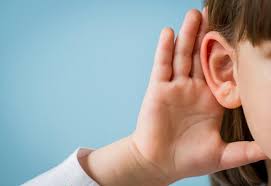
Congenital Hearing Loss: कानाबरोबर शरीरातील इतर संकेतही ओळखा
Most common co-morbidities of congenital hearing impairment Clinically, when we see a child with congenital hearing impairment, we should almost automatically think — “What else should I actively look for?” Here are the 5 most common co-morbidities you’ll encounter in practice: 1️⃣ Speech and Language DelayThis is the most universal and predictable co-morbidity.Expressive language delayReceptive language difficultiesArticulation disordersEven mild bilateral loss can significantly affect phonological development if not identified early.Early amplification + auditory-verbal therapy changes the trajectory dramatically. 2️⃣ Developmental Delay (Global or Specific) Especially in syndromic cases or children with:Congenital infectionsHypoxic injuryGenetic syndromesMotor delay may coexist, particularly in children with vestibular dysfunction (inner ear involvement). 3️⃣ Visual ProblemsVery important and often under-screened. Refractive errorsRetinitis pigmentosa (e.g., in Usher syndrome)Structural eye anomaliesBecause hearing-impaired children rely heavily on visual input, even minor visual defects become functionally significant. 4️⃣ Cardiac AnomaliesSeen in syndromic conditions like:Jervell and Lange-Nielsen syndrome (long QT + deafness)CHARGE syndromeDown syndromeAn ECG is not a luxury in bilateral congenital SNHL — it’s prudent. 5️⃣ Thyroid and Metabolic DisordersParticularly:Pendred syndrome (hearing loss + thyroid dysfunction)Iodine metabolism defectsSome inborn errors of metabolismThyroid screening is often overlooked in rural setups.Bonus (Very Common in NICU Graduates)Cerebral palsyAutism spectrum disorderLearning disordersNot rare in children with risk factors like prematurity, hyperbilirubinemia, or perinatal asphyxia. A Practical Pediatric Take-HomeWhen you diagnose congenital hearing impairment, think in 3 directions simultaneously: SCREENING CHECKLISTFor Special Teachers in Hearing-Impaired Schoolsश्रवणदोष असलेल्या मुलांच्या शाळेतील विशेष शिक्षकांसाठी तपासणी यादी (If repeatedly observed, inform parents and advise medical review.)(वारंवार दिसल्यास पालकांना कळवा व वैद्यकीय तपासणी सुचवा.) 1) VISION CONCERNS | दृष्टीसंबंधी अडचणी 2) SPEECH & COMMUNICATION | भाषा व संवाद 3) DEVELOPMENT & LEARNING | विकास व शिक्षण 4) BALANCE & MOTOR SKILLS | समतोल व हालचाल कौशल्य 5) CARDIAC WARNING SIGNS | हृदयासंबंधी लक्षणे 6) GROWTH & THYROID CONCERNS | वाढ व थायरॉईड संदर्भातील अडचणी URGENT REFERRAL NEEDED | तात्काळ डॉक्टरांकडे पाठवा Note for Teachers:If something feels unusual for this child, trust your observation and inform parents and authorities. शिक्षकांसाठी सूचना:मुलामध्ये काही वेगळे किंवा असामान्य वाटल्यास, आपल्या निरीक्षणावर विश्वास ठेवा आणि पालकांना व वरिष्ठाना कळवा. – विद्यावाचस्पति डॉ. अनिल मोकाशी (बालरोगतज्ञ)एमबीबीएस, एमडी, डीसीएच, एफआयएपी,पीएचडी (मुलांची वाढ व विकास)
Congenital Hearing Loss: कानाबरोबर शरीरातील इतर संकेतही ओळखा Read Post »