Dr. Anil Mokashi

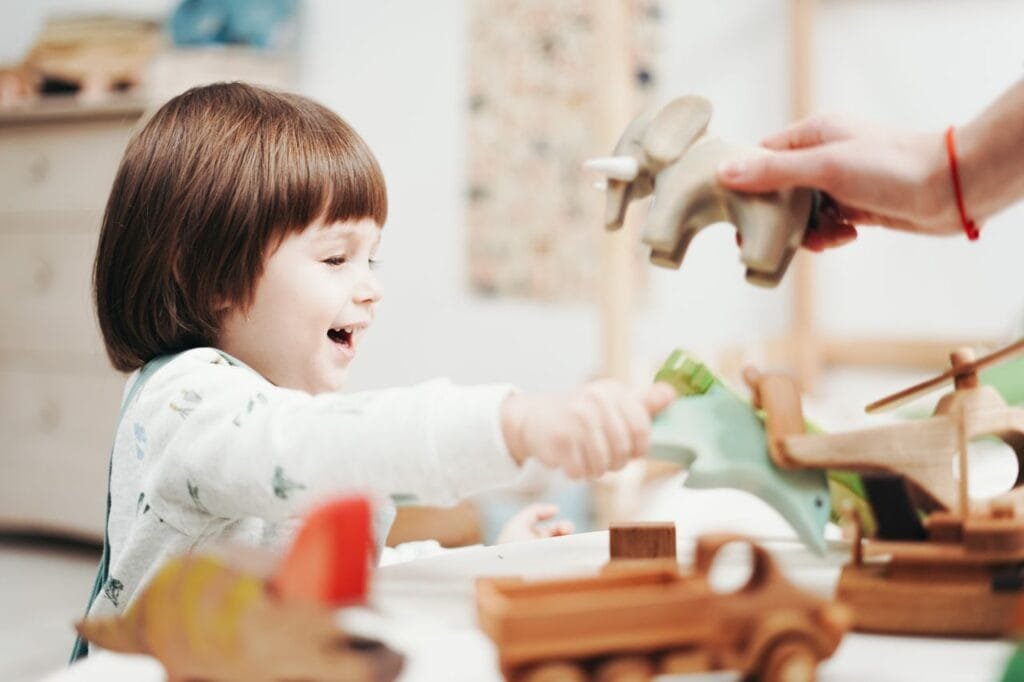
Smiling child playing and exploring with wooden toys in a bright room, fostering creativity.

Growth in Childhood: More Than Height and Weight

Growth in Childhood: More Than Height and Weight Understanding the Child’s Biological Journey A newborn weighing 2.8 kilograms and another weighing 3.4 kilograms may both be perfectly healthy. Similarly, one five-year-old may be shorter than his classmates yet be growing normally, while another, apparently “healthy-looking” child may already be showing the earliest signs of an underlying disease. The difference lies not merely in how much a child grows, but how the child grows over time. Growth is one of the most sensitive indicators of a child’s health. Long before many diseases become clinically evident, they often leave their first footprints on the child’s growth pattern. For this reason, pediatricians regard growth as the fifth vital sign of childhood, alongside temperature, pulse, respiration, and blood pressure. Growth is not simply an increase in height or weight. It is the visible outcome of a complex biological process influenced by genetics, nutrition, hormonal balance, emotional well-being, recurrent illnesses, environmental conditions, and social circumstances. Every child carries a unique genetic blueprint, but whether that potential is achieved depends upon the environment in which the child is conceived, born, nourished, protected, and nurtured. Growth is a Process, Not an Event One of the common misconceptions among families is to judge growth from a single measurement. A child may gain one kilogram in a month or remain at the same weight for several weeks, leading to unnecessary anxiety or false reassurance. Pediatricians rarely interpret a single reading in isolation. What matters is the direction of growth, not merely the measurement itself. Imagine watching a movie by looking at only one frame. It tells you very little about the story. Similarly, one measurement tells us where the child is today, but serial measurements reveal the child’s biological journey. This journey is represented by the growth curve. The Growth Curve: Every Child Writes a Different Story A growth chart is far more than a graph. It is a visual record of a child’s health over months and years. Every plotted point represents a moment in the child’s life. When these points are joined together, they create a growth curve. A healthy child usually follows a smooth and predictable curve, even if the child belongs to a lower or higher percentile. Parents often become concerned because their child is “only on the 25th percentile” or compare their child with a neighbour’s child on the 75th percentile. Such comparisons are misleading. A child growing consistently along the 25th percentile may be perfectly healthy. On the other hand, a child who suddenly falls from the 75th percentile to the 25th percentile deserves careful evaluation, even though the final percentile still appears to be within the normal range. The pattern of growth is often more important than the position on the chart. Growth Velocity: The Dynamic Indicator If the growth curve tells us where the child is going, growth velocity tells us how fast the child is travelling. Growth velocity refers to the rate at which a child gains height or weight over a defined period. Unlike a single measurement, it reflects the child’s ongoing biological activity. Many endocrine disorders, chronic illnesses, nutritional deficiencies, and systemic diseases first affect growth velocity before obvious clinical symptoms develop. A child may still appear to have a “normal height,” yet if the annual increase in height has slowed significantly, it may be the earliest warning of an underlying disorder. For this reason, pediatricians insist on regular measurements rather than occasional observations. Anthropometry: Measuring the Child Scientifically Growth assessment is based on carefully standardised measurements, collectively known as anthropometry. Each measurement answers a different clinical question. No single measurement provides the complete picture. Together, they offer a comprehensive understanding of the child’s physical growth. Understanding Red Flags In medicine, a red flag is not a diagnosis. It is a warning signal that tells us a child deserves closer attention. A red flag does not necessarily mean that a serious disease is present. Equally, ignoring a red flag may delay the diagnosis of an important medical condition. Examples include: These changes may indicate nutritional deficiencies, chronic infections, endocrine disorders, gastrointestinal diseases, congenital conditions, or psychosocial problems. The purpose of recognising red flags is not to create fear, but to encourage timely evaluation. Growth Reflects the Child’s Entire Ecosystem A child’s growth is never determined by food alone. It reflects the combined influence of the family, healthcare providers, teachers, Anganwadi workers, nutritionists, therapists, schools, and the wider community. Good nutrition without emotional security cannot produce optimal growth. Likewise, appropriate healthcare without adequate nutrition cannot achieve the child’s full biological potential. Growth therefore represents the health of the entire child ecosystem, not merely the child. A Final Thought Every child carries within them a remarkable biological potential. Growth monitoring is not about comparing one child with another; it is about ensuring that each child has the opportunity to achieve that potential. When growth is measured carefully, interpreted scientifically, and monitored regularly, it becomes much more than a number on a weighing scale or a mark on a wall. It becomes one of the earliest conversations between the child’s body and the pediatrician—a conversation that often begins long before illness speaks through symptoms. Growth should never be viewed merely as an increase in height or weight. It is the living record of a child’s health, nutrition, development, and future. – Dr. Anil Mokashi (Pediatrician)MBBS, MD, DCH, FIAP, PhD(Child Growth and Development)

Growth in Childhood: More Than Height and Weight Read Post »

Sensory-Overload

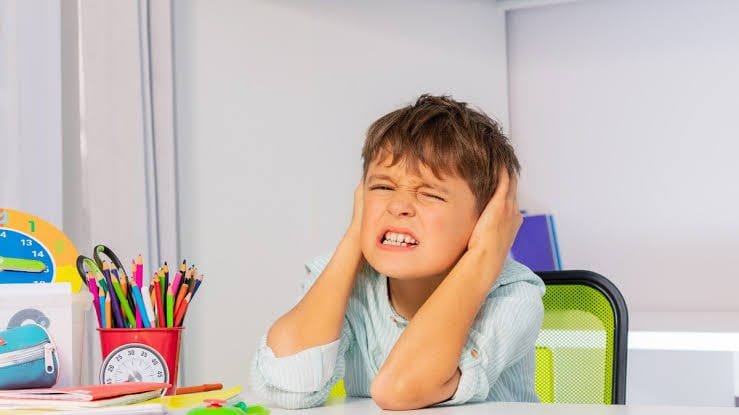
Understanding Sensory Overload

A whole-body response, not merely a behavioral problem.Sensory overload occurs when the brain receives more sensory information than it can efficiently process and organize. The result is not simply “too much stimulation”; it is a temporary mismatch between the incoming sensory load and the brain’s processing capacity. ─── ─── ─── ─── Across Different AgesInfantsCommon triggers: ─── ToddlersCommon triggers: ─── School-age ChildrenTriggers: ─── AdolescentsTriggers: ─── AdultsTriggers: ─── Older AdultsReduced vision, hearing, slower processing speed, and neurological disease can make sensory overload more common.Simple environments, good lighting, hearing correction, and slower communication help considerably. ─── Physical Health FactorsSensory overload is worsened by: ─── Mental Health Conditions Associated with Sensory OverloadSensory overload may be particularly prominent in: ─── PreventionThink of the brain as having a daily sensory budget.Protect that budget by: ─── Clinical PrincipleWhen sensory overload occurs:Reduce the sensory input before trying to change the person’s behaviour.A calm environment helps the nervous system recover more effectively than repeated instructions or discipline during the overloaded state. ─── Take-home MessageSensory overload is not simply “too much noise.” It is a temporary imbalance between sensory input and the brain’s capacity to process, regulate, and respond. Understanding the nervous system behind it shifts our approach from controlling behaviour to supporting regulation. – Dr. Anil Mokashi (Pediatrician)MBBS, MD, DCH, FIAP, PhD(Child Growth and Development)

Understanding Sensory Overload Read Post »

Autism-Sensory-Overload

ऑटिझम आणि सेन्सरी ओव्हरलोड

ऑटिझम आणि सेन्सरी ओव्हरलोड ऑटिझम असलेल्या अनेक मुलांना आपल्या आजूबाजूचे जग इतरांपेक्षा खूप जास्त तीव्रतेने जाणवते. आपल्याला साधारण वाटणारा आवाज, प्रकाश, गर्दी, स्पर्श किंवा गोंधळ त्यांच्यासाठी असह्य ठरू शकतो. मोठ्या स्पीकरजवळ, प्रखर दिव्यांमध्ये, गर्दीत, अंगाला टोचणारे कपडे घालून सतत लक्ष देण्याचा प्रयत्न करा… सेन्सरी ओव्हरलोड साधारण असा अनुभव असू शकतो. अशा वेळी मूल: मूल जणू सांगत असते—“माझ्या मेंदूला थोडी विश्रांती हवी आहे.”अशा वेळी शिक्षा उपयोगाची नसते. उपाय म्हणजे— मेंदू पुन्हा शांत झाला की मूल पुन्हा शिकू शकते, बोलू शकते आणि सहकार्यही करू शकते. सेन्सरी ओव्हरलोड हा शिस्तीचा प्रश्न नाही;तो मज्जासंस्थेवर आलेल्या ताणाचा प्रश्न आहे.” AUTISM AND SENSORY OVERLOAD. Sensory overload is one of the commonest hidden challenges in Autism Spectrum Disorder (ASD). The autistic brain often processes sensory information differently rather than simply more or less intensely. Ordinary environmental stimuli—such as noise, bright lights, crowds, certain textures, smells, touch, or unexpected changes—may exceed the individual’s sensory processing capacity. When this happens, the child is not being defiant or manipulative. The nervous system has become overwhelmed. Clinical manifestations may include: The first intervention is not behaviour correction—it is reducing sensory load. Management includes: “A sensory overload is not a discipline problem. It is a nervous system problem.” – Dr. Anil Mokashi (Pediatrician)MBBS, MD, DCH, FIAP, PhD(Child Growth and Development)

ऑटिझम आणि सेन्सरी ओव्हरलोड Read Post »

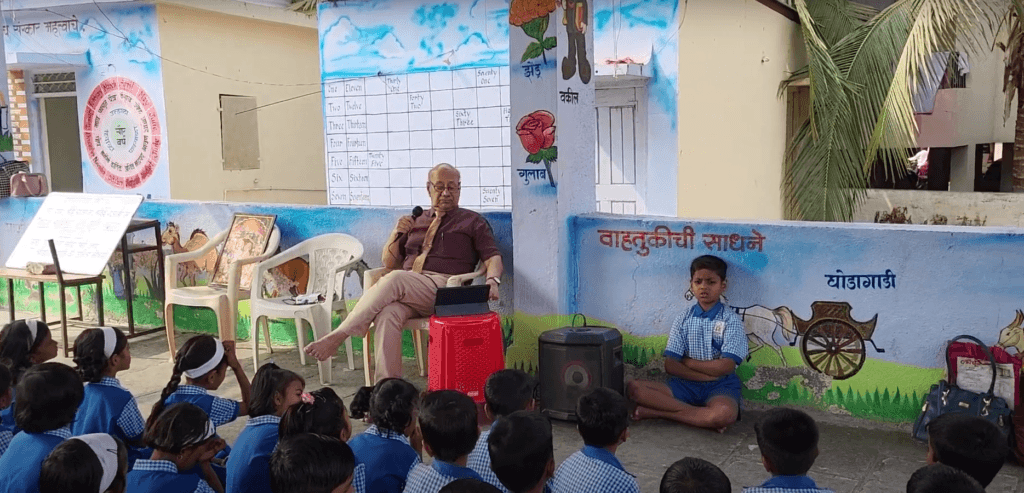
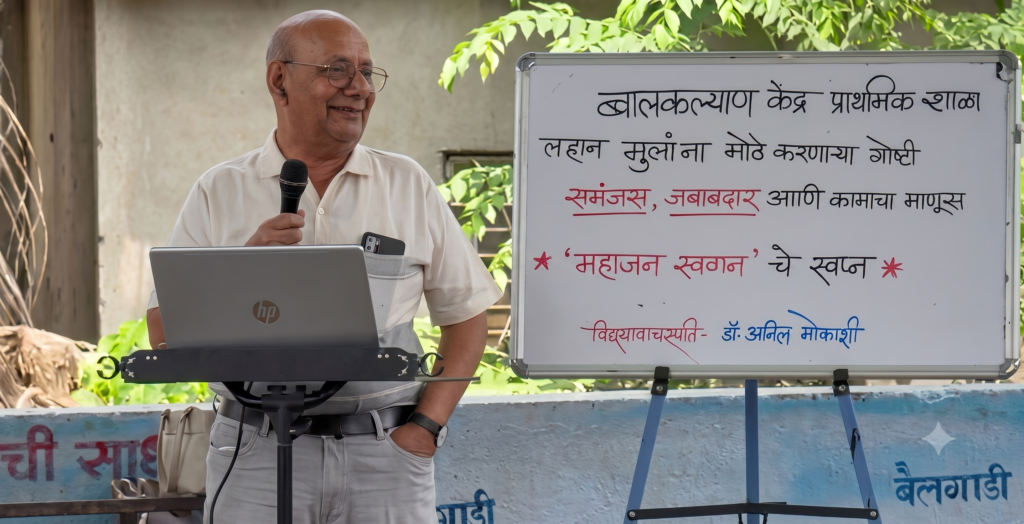
Dr. Anil Mokashi telling stories to children

महात्मा गांधींजीनी गूळ सोडला त्याची गोष्ट

LMG 002 – महात्मा गांधींजीनी गूळ सोडला त्याची गोष्ट. लहान मुलांना मोठे करणाऱ्या गोष्टी समंजस, जबाबदार आणि कामाचा माणूस करणाऱ्या. २. महात्मा गांधींजीनी गूळ सोडला त्याची गोष्ट. महात्मा गांधी यांनी भारत स्वतंत्र केला. इंग्रजांना पळवून लावले. महात्मा गांधी इंग्लंडमध्ये वकिली शिकले. बॅरिस्टर झाले. त्या काळात ते सूट, बूट आणि टाय घालायचे. पण त्यांना आपला देश स्वतंत्र करायचा होता. इंग्रजांना देशाबाहेर घालवायचं होतं. त्यांना देश बदलायचा होता. त्यासाठी गांधीजींनी आधी स्वतःला बदललं. महागडे कपडे सोडले. साधे कपडे घालायला सुरुवात केली. साधं राहिले. साधं जेवले. स्वतःच्या आयुष्यात बदल केला आणि मग देशाला बदलण्याचा प्रयत्न केला. एकदा एक आई आपल्या मुलाला घेऊन गांधीजींकडे आली. ती म्हणाली, “गांधीजी, माझा मुलगा खूप गूळ खातो. तुम्ही त्याला सांगा ना, गूळ कमी खात जा.” गांधीजींनी मुलाकडे पाहिलं आणि म्हणाले, “ठीक आहे. पंधरा दिवसांनी पुन्हा या.” आईला काही समजेना. एवढंसं सांगण्यासाठी पंधरा दिवस कशाला? पण ती काही बोलली नाही. पंधरा दिवसांनी आई मुलाला घेऊन पुन्हा गांधीजींकडे आली. गांधीजींनी मुलाला जवळ बोलावलं. ते म्हणाले,”बाळा, फार गूळ आणि साखर खाऊ नकोस. आरोग्यासाठी ते चांगलं नसतं.” आईला आश्चर्य वाटलं. ती म्हणाली, “गांधीजी, एवढंच सांगायचं होतं, तर मागच्या वेळीच का नाही सांगितलं?” गांधीजी हसले. ते म्हणाले, “कारण त्या वेळी मी स्वतः गूळ खात होतो. माझी गूळ खाण्याची सवय सोडायला मला पंधरा दिवस लागले. मी जे स्वतः करत होतो, ते करू नकोस असं या मुलाला कसं सांगणार?” आधी स्वतः केले. मग दुसऱ्याला सांगितले. – विद्यावाचस्पति डॉ. अनिल मोकाशी (बालरोगतज्ञ)एमबीबीएस, एमडी, डीसीएच, एफआयएपी,पीएचडी (मुलांची वाढ व विकास)

महात्मा गांधींजीनी गूळ सोडला त्याची गोष्ट Read Post »

लहानग्या मॉन्टीचे मोठे स्वप्न

LMG–001. लहानग्या मॉन्टीचे मोठे स्वप्न लहान मुलांना मोठे करणाऱ्या गोष्टी – समंजस, जबाबदार आणि कामाचा माणूस. १. लहानग्या मॉन्टीचे मोठे स्वप्न चौथीत शिकणारा छोटासा मॉन्टी रॉबर्ट. एकदा शिक्षिकेनी वर्गात निबंध लिहायला विषय दिला, “मोठेपणी तुम्ही कोण होणार?”कोणी लिहिलं – डॉक्टर. कोणी – इंजिनिअर. कोणी – शिक्षक. कोणी – अधिकारी. मॉन्टीनी मात्र वेगळंच लिहिलं.“मी मोठेपणी २०० घोड्यांच्या तबेल्याचा मालक होणार. त्या घोड्यांसाठी ४०० एकर हिरवंगार कुरण असणार.” शिक्षिकेनी निबंधावर मोठ्ठं ‘नापास’ लिहिलं.त्या म्हणाल्या, “मॉन्टी, तुझे वडील साधे घोड्यांना प्रशिक्षण देतात. तुमची आर्थिक परिस्थितीही साधी आहे. एवढं मोठं स्वप्न खरं होणार नाही. निबंध पुन्हा लिही.” मॉन्टी शांतपणे म्हणाला,“मॅडम, निबंध मी बदलू शकतो… पण माझं स्वप्न सोडणार नाही.” वर्षे लोटली.एके दिवशी त्याच शिक्षिका विद्यार्थ्यांना घोड्यांचा मोठा स्टड फार्म दाखवायला घेऊन गेल्या. फाटकावर नाव होतं—“मॉन्टी रॉबर्ट स्टड फार्म” आत २०० घोडे होते. भोवताली शेकडो एकर हिरवंगार कुरण होतं.शिक्षिका हसल्या आणि म्हणाल्या,“मॉन्टी, बरं झालं… तू तुझं स्वप्न सोडलं नाहीस.” ───“स्वप्न पाहणारे अनेक असतात; स्वप्नासाठी झटणाऱ्यांचीच स्वप्नं पूर्ण होतात.” – विद्यावाचस्पति डॉ. अनिल मोकाशी (बालरोगतज्ञ)एमबीबीएस, एमडी, डीसीएच, एफआयएपी,पीएचडी (मुलांची वाढ व विकास)

लहानग्या मॉन्टीचे मोठे स्वप्न Read Post »

personal hygiene puberty

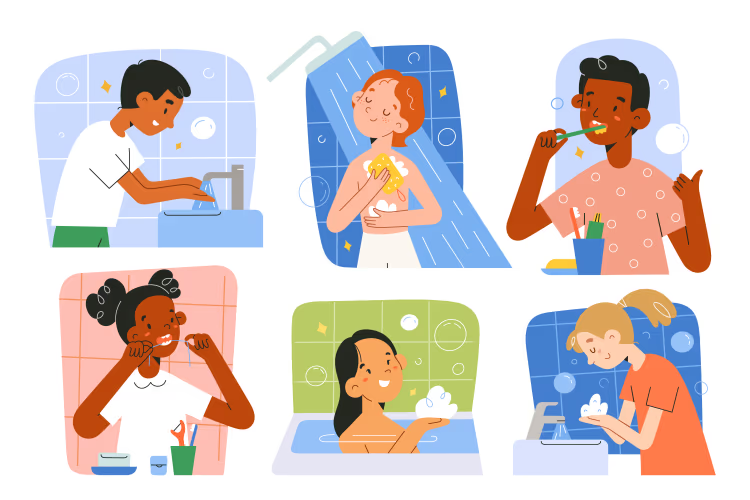
किशोरवयातील स्वच्छता : A Sign of Maturity

किशोरवयातील वैयक्तिक स्वच्छता : मोठं होण्याची एक खूण [ PERSONAL HYGIENE IN ADOLESCENCE: A SIGN OF GROWING UP] किशोरवयात शरीरात अनेक बदल घडू लागतात. उंची व वजन वाढते, हार्मोन्स सक्रिय होतात, घामाच्या ग्रंथी अधिक कार्य करू लागतात आणि शरीराला विशिष्ट वास येऊ लागतो. शरीराला वास येणे हा आजार नाही. तो मोठं होण्याच्या प्रक्रियेचा एक नैसर्गिक भाग आहे. मात्र वैयक्तिक स्वच्छतेकडे दुर्लक्ष झाल्यास हा वास इतरांना अप्रिय वाटू शकतो आणि आपल्या व्यक्तिमत्त्वाबद्दल नकारात्मक छाप निर्माण करू शकतो. घामाला स्वतःला फारसा वास नसतो. त्वचेवरील जंतू, मृत त्वचापेशी आणि शरीरावरील केस यांच्या संपर्कात घाम आल्यावर वास निर्माण होतो. काखा, जांघेचा भाग, पाय, टाळू आणि त्वचेच्या घड्या याठिकाणी हा वास अधिक जाणवतो. किशोरवयात शरीराचा वास वाढण्याची काही कारणे: यावर उपाय अगदी सोपे आहेत: लक्षात ठेवा, किशोरवय म्हणजे फक्त उंची वाढणे किंवा आवाज बदलणे नाही. स्वतःच्या शरीराची जबाबदारी स्वीकारण्याची सुरुवातही याच वयात होते. लोक आपल्या दिसण्याकडे, बोलण्याकडे, वागण्याकडे लक्ष देतात; पण आपल्या वैयक्तिक स्वच्छतेकडेही तेवढेच लक्ष देतात. स्वच्छता आपल्याला फक्त नीटनेटके बनवत नाही, तर इतरांचा विचार करणारी व्यक्ती बनवते. मोठं होणं म्हणजे फक्त शरीराने वाढणं नाही; तर स्वतःबद्दल जागरूक होणं, इतरांचा विचार करणं आणि स्वतःची जबाबदारी स्वीकारणं होय. किशोरावस्था तुमच्या शरीरात बदल आपोआप घडवते;पण त्या शरीराची जबाबदारी स्वतः स्वीकारता,तेव्हा खरी परिपक्वता सुरू होते. PERSONAL HYGIENE IN ADOLESCENCE: A SIGN OF GROWING UP As children enter adolescence, many physical changes begin to occur. The body grows rapidly, hormones become active, and sweat glands start working more vigorously. One common consequence is increased body odour. Body odour is not a disease. It is a normal part of growing up. However, if personal hygiene is neglected, it can become unpleasant and affect how others perceive us. Sweat itself is almost odourless. The smell develops when sweat mixes with bacteria naturally present on the skin, particularly in areas such as the armpits, groin, feet, scalp, and skin folds. Dead skin cells, body hair, and poor hygiene can further contribute to the problem. Several factors make body odour more noticeable during adolescence: Good personal hygiene is simple: As you grow from a child into a young man or woman, personal hygiene becomes your own responsibility. Parents can remind you, but ultimately self-care must come from within. People notice our appearance, our behaviour, our speech—and yes, even our personal hygiene. Cleanliness does not make a person great, but it makes a person pleasant, presentable, and respectful of those around them. Growing up is not only about becoming taller and stronger. It is also about becoming more aware of yourself, more considerate of others, and more responsible for your own well-being. PUBERTY CHANGES YOUR BODY AUTOMATICALLY.MATURITY BEGINS WHEN YOU LEARN TO TAKE CARE OF THAT BODY YOURSELF. – Dr. Anil Mokashi (Pediatrician)MBBS, MD, DCH, FIAP, PhD(Child Growth and Development)

किशोरवयातील स्वच्छता : A Sign of Maturity Read Post »

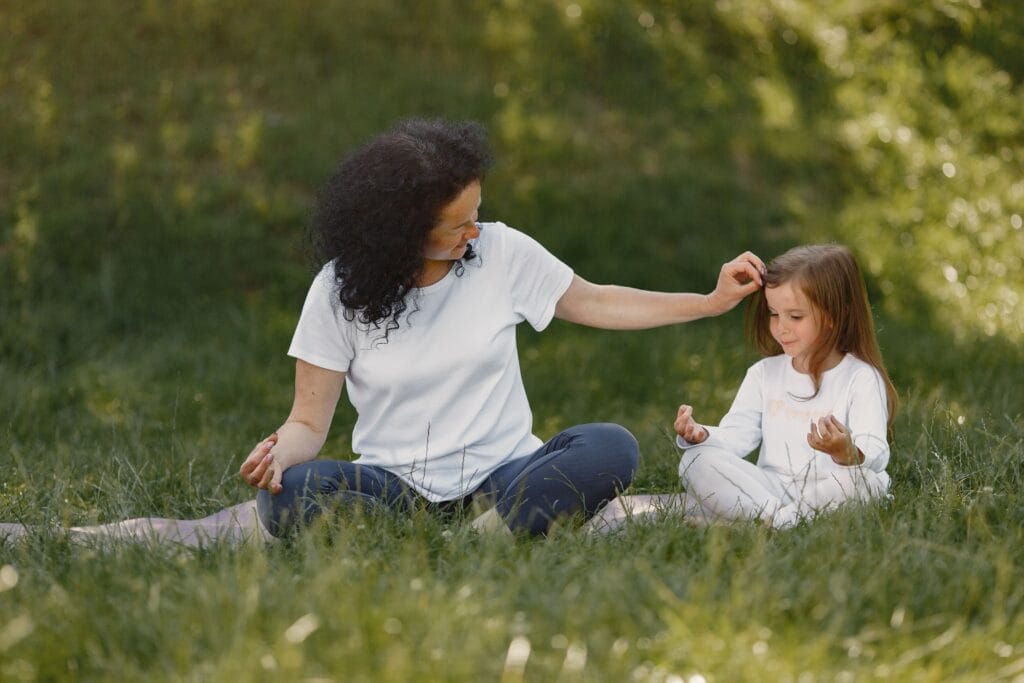
Mother and daughter bonding through yoga outdoors in a serene grassy field.

सशक्त आई, सशक्त बालक

माझ्या प्रिय आयांनो, फक्त मुलांना मोठं करण्यासाठी तुमचा जन्म झालेला नाही. मुलांना वाढवणं हा तुमच्या जीवनातील अतिशय महत्त्वाचा आणि अर्थपूर्ण भाग आहे, हे नक्की. पण म्हणून तुमचं संपूर्ण अस्तित्वच मातृत्वाच्या कर्तव्यावर ओवाळून टाकण्याची गरज नाही. ताई, स्वतःकडे दुर्लक्ष करू नका बरं! आधुनिक विज्ञान आपल्याला एक महत्त्वाची गोष्ट सांगते. मुलांचा विकास केवळ अन्न, औषधे, लसीकरण किंवा शिक्षणावर अवलंबून नसतो. मुलांच्या विकासावर त्यांच्या caregiver च्या शारीरिक आणि मानसिक आरोग्याचा देखील खोल परिणाम होत असतो. चांगली आई होण्यासाठी, सुरक्षित मातृत्वासाठी, तिचे वय 20 ते 35 हवे, वजन 45 किलो हवे, उंची 145 सेमी (4 फूट 9 इंच) हवी. किडकिडीत आईची मुलं किडकिडीत होतात. दणदणीत आईची मुलं दणदणीत होतात. घाबरट आईची मुलं भितृट होतात. खंबीर आईची मुलं आत्मविश्वासू होतात. एका वेळी एक मूल बोटाला, एक मूल कडेला आणि एक मूल पोटात असलेल्या आईचे हालच असतात. चार जिवांवर अन्याय. दोन मुलात कमीत कमी तीन वर्षाचे अंतर हवे. शिक्षणामुळे आयांना आरोग्य, पोषण, लसीकरण आणि बालविकास याबाबत अधिक माहिती मिळते. त्यामुळे त्या मुलांची वैज्ञानिक पद्धतीने काळजी घेऊ शकतात. त्या प्रथा आणि अंधश्रद्धांच्या आहारी जात नाहीत. सतत थकलेली, झोपेअभावी त्रस्त, तणावाखाली असलेली किंवा स्वतःच्या आरोग्याकडे दुर्लक्ष करणारी आई कितीही प्रेमळ असली तरी तिच्यावरचा भार वाढत जातो. उलट सशक्त, आत्मविश्वासू, आनंदी आईच आपल्या मुलाला सुरक्षित, स्थिर आणि पोषक वातावरण देऊ शकते. म्हणूनच आईची काळजी घेणे हा बालसंगोपनाचाच एक महत्त्वाचा भाग आहे. योग्य आहार, पुरेशी झोप, नियमित आरोग्य तपासणी, थोडा विरंगुळा, स्वतःसाठी थोडा वेळ, भावनिक आधार आणि सन्मान — या गोष्टी आईच्या गरजा नाहीत, तर मुलांच्या विकासासाठीची गुंतवणूक आहेत. म्हणूनच आता कुटुंब, आजी-आजोबा, वडील, समाज आणि मुलांच्या विश्वातील सर्व मोठ्या माणसांनी एक गोष्ट समजून घ्यायला हवी: मुलं सशक्त हवी असतील तर आया सशक्त हव्या ना! आईला सशक्त करणे हे सुद्धा एक प्रकारचे बालसंगोपनच आहे. – विद्यावाचस्पति डॉ. अनिल मोकाशी (बालरोगतज्ञ)एमबीबीएस, एमडी, डीसीएच, एफआयएपी,पीएचडी (मुलांची वाढ व विकास)

सशक्त आई, सशक्त बालक Read Post »

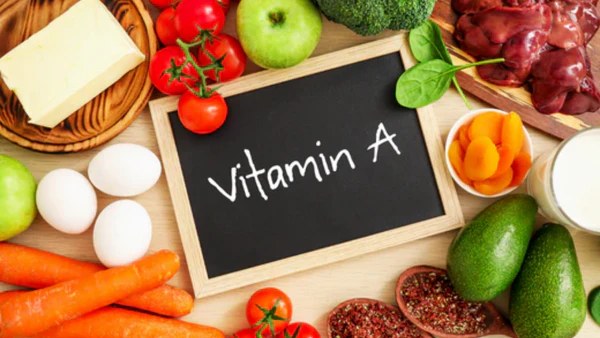
Vitamin A

अ जीवनसत्व: मुलांच्या निरोगी भविष्यासाठी

तोंडाने अ जीवनसत्वाचा डोस मुलांना आजारांपासून संरक्षण देतो आणि निरोगी ठेवतो.भारतात सरकारी आरोग्य सेवा सहा महिन्यांनंतर पाच वर्षांपर्यंतच्या सर्व मुलांना दर सहा महिन्यांनी अ जीवनसत्वाचा डोस मोफत देते.ही अत्यंत महत्त्वाची आणि दूरदृष्टीची सार्वजनिक आरोग्य सेवा आहे.पण अनेक मुले खासगी डॉक्टरांकडून लसी घेतात. अशा मुलांना अ जीवनसत्वाचा डोस मिळत नाही.खरं तर:• खासगी बालरोग तज्ञांनी सरकारी यंत्रणेकडून अ जीवनसत्वाचा डोस मिळवून मुलांना द्यायला हरकत नाही.• किंवा बाजारात मिळणाऱ्या अ जीवनसत्वाचा डोस:o BLUE Capsule — 100000 IUo RED Capsule — 200000 IUवापरता येऊ शकतात.मुलांचे कुटुंब, आणि आरोग्य सेवा देणाऱ्यांनी अ जीवनसत्वाचा डोसचे महत्त्व समजून घेतले पाहिजे.ही फक्त “व्हिटॅमिन देणे” इतकी साधी गोष्ट नाही.ही एक preventive health practice आहे.ती समाजात सवय आणि संस्कार बनायला हवी. अ जीवनसत्व म्हणजे “साधं व्हिटॅमिन” नाही. आहे मायक्रोन्यूट्रिअंट, पण बालपणात त्याचे काम फार मोठे आहे.मूल बाहेरून निरोगी दिसू शकते, पण शरीरात शांतपणे अ जीवनसत्वाची कमतरता वाढत असू शकते. अ जीवनसत्व कशासाठी आवश्यक आहे?• दृष्टीसाठी• रातांधळेपणा टाळण्यासाठी• रोगप्रतिकारशक्तीसाठी• वाढीसाठी• त्वचा व शरीराच्या आतील आवरणांच्या आरोग्यासाठी• संसर्गातून बरे होण्यासाठीविशेषतः महत्त्वाचे:• लहान बाळांसाठी• वेगाने वाढणाऱ्या मुलांसाठी• कुपोषित मुलांसाठी• वारंवार आजारी पडणाऱ्या मुलांसाठी अ जीवनसत्व कुठून मिळते.प्राणिजन्य पदार्थ:• यकृत (liver)• दूध• चीज• इतर प्राणिजन्य अन्नवनस्पतीजन्य पदार्थ:• गाजर• भोपळा• रताळे• शेवग्याची पाने• कढीपत्ता• हिरव्या पालेभाज्या• पिवळी-केशरी फळे एक महत्त्वाची गोष्ट:अ जीवनसत्व शोषण्यासाठी अन्नात थोडे fat आवश्यक असते.म्हणून:• फक्त गाजर खाऊन उपयोग नाही• भाजीत थोडे तेल/तूप असणे उपयोगी ठरतेआपला पारंपरिक भारतीय आहार यासाठी उत्तम आहे:• डाळ• भाजी• थोडे तेल/तूप• दूध• पोळी/भातसाधा. व्यावहारिक. वैज्ञानिक. काही मुलांना Vitamin A deficiency चा धोका जास्त असतो:• अकाली जन्मलेली बाळे• कमी वजनाची बाळे• कुपोषित मुले Protein malnutrition आणि अ जीवनसत्व यांचा एक लपलेला संबंध आहे.अ जीवनसत्व रक्तात एकटे फिरत नाही.तिला “Retinol Binding Protein (RBP)” नावाच्या protein ची मदत लागते.शरीरात protein कमी असेल तर:• RBP कमी बनते• अ जीवनसत्व नीट वाहून नेता येत नाही• कमतरता निर्माण होतेम्हणजे:मूल अ जीवनसत्व खात असते,पण शरीराला ते योग्य प्रकारे वापरता येत नाही.Nutrition हे एक टीमवर्क आहे — एकट्या nutrient चे काम नाही. संसर्गाच्या, इन्फेक्शनच्या वेळी अ जीवनसत्व तात्पुरते कमी दिसू शकते.जसे:• गोवर• कांजिण्या• गालगुंड• डांग्या खोकला• Hand Foot Mouth Diseaseअशा वेळी शरीरात inflammation वाढते आणि अ जीवनसत्व पातळी खाली जाते. WHO च्या शिफारसी:६ ते ११ महिने:• 100000 IU — BLUE Capsule — एकदा१ वर्ष ते ५ वर्ष:• 200000 IU — RED Capsule — दर ६ महिन्यांनीVitamin A यकृतात साठवले जाते आणि शरीर ते हळूहळू वापरते. Vitamin A supplementation मुळे:• गंभीर आजार कमी होऊ शकतात• रोगप्रतिकारशक्ती सुधारते• बालमृत्यू कमी होण्यास मदत होतेएक छोटीशी capsule,मुलाच्या भविष्यासाठी शांतपणे संरक्षण देत असते. – विद्यावाचस्पति डॉ. अनिल मोकाशी (बालरोगतज्ञ)एमबीबीएस, एमडी, डीसीएच, एफआयएपी,पीएचडी (मुलांची वाढ व विकास)

अ जीवनसत्व: मुलांच्या निरोगी भविष्यासाठी Read Post »

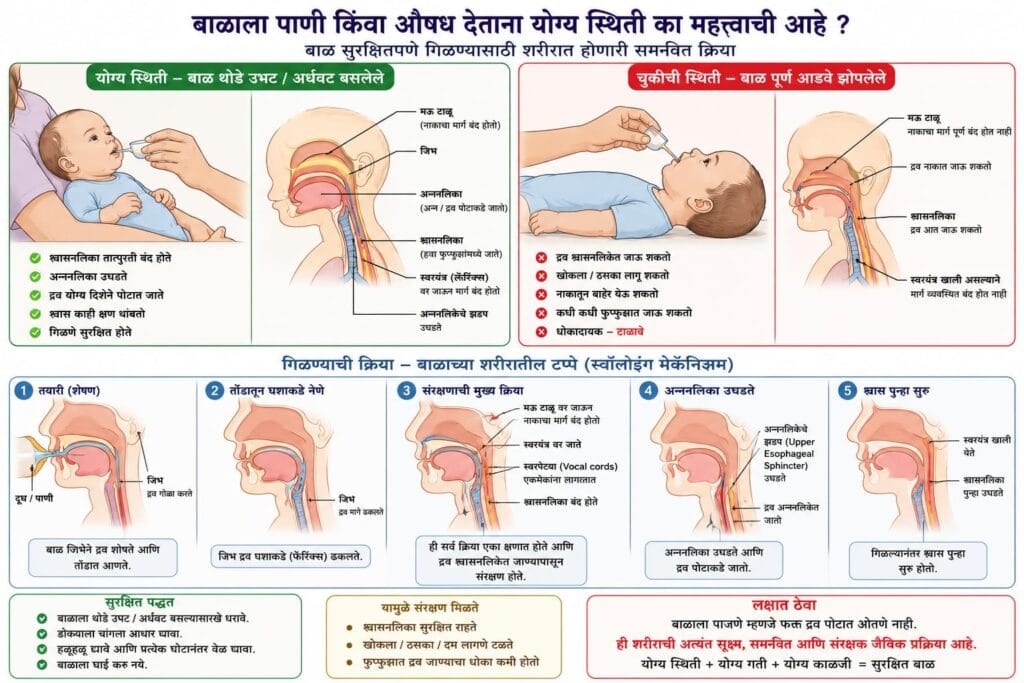
झोपवून पाणी किंवा औषधे का देऊ नयेत?

बाळाला पूर्ण आडवे झोपवून पाणी किंवा औषधे का देऊ नयेत? लहान बाळ मोठ्या माणसासारखे सुरक्षितपणे पिऊ शकत नाही. बाळ जेव्हा दूध, पाणी किंवा औषध गिळते,तेव्हा शरीराला एका क्षणात अनेक गोष्टी एकाच वेळी कराव्या लागतात. म्हणजेचशोषणे + गिळणे + श्वास घेणेयांचा अचूक समन्वय आवश्यक असतो. बाळ पूर्ण सपाट झोपलेले असेल,तर हा समन्वय अधिक कठीण होऊ शकतो. त्यामुळे द्रव: म्हणून:लहान बाळाला पूर्ण आडवे झोपवूनपाणी, दूध किंवा औषधे देणे टाळावे. सुरक्षित पद्धत: लक्षात ठेवा:बाळाला पाजणे म्हणजे फक्त द्रव पोटात ओतणे नाही. ती शरीराची अत्यंत सूक्ष्म आणि संरक्षक जैविक प्रक्रिया आहे. योग्य स्थिती, योग्य गती आणि योग्य काळजी —यामुळेच बाळ सुरक्षितपणे पिते. WHY INFANTS SHOULD NOT BE GIVEN WATER OR MEDICINES IN A FULLY HORIZONTAL POSITION An infant cannot safely drink like an older child or adult. While swallowing,the baby’s body has to do many things together within a fraction of a second. This requires proper coordination of:sucking + swallowing + breathing. If a baby is lying completely flat,this coordination may become more difficult. Liquid may: Therefore:Avoid giving water, milk, or medicines to infants in a fully horizontal position. Safer method: Remember:Feeding is not “pouring liquid into the stomach.”It is a highly coordinated protective reflex. A baby drinks safely only when the body gets time and position to protect the airway. – Dr. Anil Mokashi (Pediatrician)MBBS, MD, DCH, FIAP, PhD(Child Growth and Development)

झोपवून पाणी किंवा औषधे का देऊ नयेत? Read Post »

गुड बॉय सूर्य आणि बॅड बॉय सूर्य.

ऊन तापत चाललय. उकाडा वाढत चाललाय. दिवस मोठा मोठा होऊ लागलाय. बाहेर खेळायला, धमाल मस्ती करायला जास्त वेळ मिळू लागलाय. पण जरा जपून. ऊन बाधण्यापासून स्वतःचा बचाव केला पाहिजे. सूर्य बॅड बॉय कि गुड बॉय ? तसा सूर्य हा गुड बॉयच आहे. सूर्य जरी तोंट, आग ओकत असला तरी तो फार छान छान कूल गोष्टी करत असतो. तो आपल्याला ऊब देतो. तो झाडांना ,फुलांना वाढवतो. तो आपल्या कातडीखाली ‘ड’ जीवनसत्व निर्माण करतो. ड जीवनसत्वाच्या मदतीने अन्नातले कॅल्शियम आतडयातून रक्तात शोषलं जातं. आणि हाडं बळकट होतात. म्हणजे तसा सूर्य हा गुड बॉयच आहे. पण आपण काळजी घेतली नाही तर तो बॅड बॉय होऊ शकतो. सूर्यकिरणांमध्ये काही अदृश्य डोळयांना न दिसणारे अतिनील अल्ट्राव्हायोलेट (आपण यू.व्ही. म्हणू) किरण असतात. ते सूर्यदाह, सनबर्न करतात. सूर्यांची उष्णता शरीराला सहन न झाल्याने उष्माघात होतो. आपण काळजी घेतली नाही, शिस्त लावली नाही तर सूर्य बॅड बॉय होऊ शकतो. सूर्यदाह : कातडीची आग होऊ देऊ नका. यू.व्ही.किरण ढगांतून, हवेतून प्रवास करत आपल्या कातडीवर पडतात. यू.व्ही. किरणांमुळे कातडी भाजल्यासारखी, करपल्यासारखी होते.कातडी गोरी असेल तर सूर्यदाह लवकर होतो. काळी असेल तर उशीर होतो. काळ्या कातडीतील मेलेनिन हे रंगद्रव्य कातडीचे यू.व्ही. किरणांपासून संरक्षण करते. सूर्यदाह झाल्यावर कातडीची आग होते, जळजळ करते. कातडीवर पाणी भरलेले फोड येतात. अशा कातडीवर मोठेपणी सुरकुत्या पडण्याची शक्यता जास्त असते. क्वचित मोठेपणी कॅन्सरसुद्धा होऊ शकतो. काळजी घेतलेली बरी. सकाळी १० ते ४ सूर्यप्रकाश प्रखर असतो. तेंव्हा अघुतन मधून सावलीत जावे. सनस्क्रीन लोशन लावावे. सनस्क्रीन लोशन ३० किंवा जास्त एस पी एफ चे असावे. एस पी एफ. म्हणजे सन प्रोटेक्टींग फॅक्टर. उन्हात जाण्याच्या १५, २० मिनिट आधी लावावे. शरीराच्या ज्या ज्या भागावर ऊन पडणार त्या त्या भागावर लावावे. दर २ तासांनी लावावे. पोहतांना पाण्यावर पडणारे सूर्यकिरण परावर्तीत होऊन दुप्पट प्रमाणात कातडीवर पडतात.त्यामुळे पोहतांना व घाम येत असेल तर सनस्क्रीन लोशन जास्त वेळा लावावे. चेहऱ्यावर सावली पडेल अशी टोपी घालावी. हात पाय दिसणार नाहीत असे अपारदर्शक ढिले कपडे घालावे. प्रखर उन्हात यू.व्ही किरण अडवणारे गॉगल घालावे. उष्माघात : पाणी प्या, ओल्या फडक्याने पुसून घ्या. शरीराचं तापमान नियंत्रण करणारा एक थर्मोस्टॅट नावाचं केंद्र मेंदूमध्ये असतं. हवेंचं तापमान वाढलं कि घाम येऊन शरीर थंड केलं जातं. लहान मुलांचं तापमान नियंत्रण केंद्र अपरिपक्व असल्याने ते व्यवस्थित काम करत नाही. पत्ता तापतो, भांडी तापतात तशी मुले तापतात. त्यांना थंड करावं लागतं. उन्हाळ्यात दिवसातून ३,४ वेळा ओल्या फडक्याने पुसून घ्यावे. शर्ट ओला करून पिळून अंगात घालावा. वाळलेल्या कोरडया माठाले पाणी गार होत नाही. वाळलेल्या ओल्या माठाले पाणी गार होते. शरीराला पाणी कमी पडले तरच उन्हाळा बाधतो. पाणी कमी पडले तर उकडून सुद्धा घाम येत नाही. शरीर तापतच जाते. तापाची औषधे (क्रोसिन) शरीर थंड करत नाहीत, घाम आणतात. शुष्कता स्थिती (डीहायड्रेशन) असेल तर तापाच्या औषधांचा गुण येत नाही. म्हणून भरपूर पाणी प्यावे. दिवसातून (चोवीस तासातून) ६ पेक्षा जास्त वेळा लघवी व्हावी. उन्हाळयामुळे, उलटी-जुलाबामुळे, आजारात अन्न पाणी कमी गेल्यामुळेसुद्धा शुष्कता स्थिती येते. उष्माघातामुळे शरीराचं तापमान वाढते. कातडी लाल होते, डोकं दुखतं, चक्कर येते. डोळे खोल जातात. लघवी कमी होते. नाडीचे ठोके वाढतात. दम लागतो. असंबद्ध बडबडणे, बेशुद्ध होणे अशी लक्षणं दिसतात. असं काही जाणवलं तर शाळेत किंवा घरात मोठ्या माणसांना सांगायला हवे. उष्माघाताचे निदान योग्य झाले नाही तर टॉयफॉईड, मलेरिया, न्यूमोनिया असे चुकीचे निदान ठोकून औषधांचा मारा होतो. मूळ उष्माघात बाळावतोच राहतो. उष्माघाताच्या मुलाला ओ.आर.एस.(जलसंजीवनी) भरपूर पाजावे. कपडे कमी घालावे. पंखा चालू करावा. ओल्या कपडयाने पुसून घ्यावे. तर मुलांनो, ज्यांना सूर्यदाह आणि उष्माघातापासून स्वतःला वाचवायचे आहे त्यांनी सनस्क्रीन लावावे, पाणी प्यावे, ओल्या फडक्याने पुसावे आणि कूल रहावे. – विद्यावाचस्पति डॉ. अनिल मोकाशी (बालरोगतज्ञ)एमबीबीएस, एमडी, डीसीएच, एफआयएपी,पीएचडी (मुलांची वाढ व विकास)

गुड बॉय सूर्य आणि बॅड बॉय सूर्य. Read Post »

Gestational Diabetes & Autism

Gestational Diabetes & Autism

Perinatal Hypoxia & Cerebral Palsy Why this comparison matters Both these pairs connect an early-life exposure to later neurodevelopmental outcomes.They share common downstream biology—oxidative stress and inflammation—yet differ significantly in: Understanding this distinction is essential for both clinical thinking and parental guidance. 1) Nature of Exposure Gestational Diabetes Mellitus (GDM)A chronic intrauterine metabolic environment Perinatal Hypoxia / Hypoxic-Ischemic Encephalopathy (HIE)An acute event 2) Primary Pathophysiology GDM → “Metabolic programming” Net effect:Subtle alterations in Hypoxia/HIE → “Energy failure and injury” Net effect: 3) Pattern of Brain Involvement GDM HIE 4) Clinical Outcomes GDM exposure Phenotype: Hypoxia/HIE Phenotype: 5) Strength of Evidence GDM ↔ Neurodevelopmental outcomes Key point: Good glycemic control reduces risk Hypoxia/HIE ↔ Cerebral palsy 6) Prevention & Clinical Levers GDM pathway Hypoxia pathway 7) A Unifying Teaching Frame “Acute injury vs. chronic programming.” Clinical One-liner “Hypoxia injures the brain; hyperglycemia shapes the brain.” 8) Practical Takeaways – Dr. Anil Mokashi (Pediatrician)MBBS, MD, DCH, FIAP, PhD(Child Growth and Development)

Gestational Diabetes & Autism Read Post »

Chandrayan 3

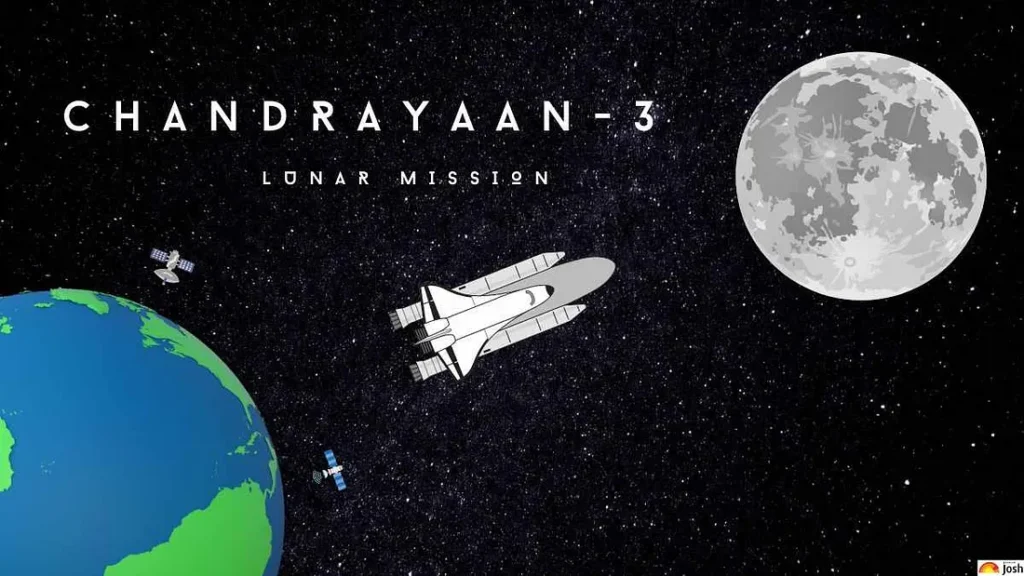
चंद्रयान-३ ची गोष्ट

चंद्रावर पोचलेला भारत : Chandrayaan-3 ची गोष्ट भारताचे चंद्रयान-३ चंद्रावर पोचलं — हे तुम्हाला माहीतच असेल. पण काही मूळ प्रश्न पडतात… मानवाने चंद्रावर जायचं तरी कशाला?उत्तर — नवीन गोष्टी समजून घेण्यासाठी आणि विज्ञान पुढे नेण्यासाठी. काय गरज आहे चंद्रावर जायची?उत्तर — पृथ्वी, अवकाश आणि विज्ञान या भविष्यातील महत्त्वाच्या ज्ञानशाखा आहेत. त्या अधिक चांगल्या प्रकारे समजण्यासाठी. भारताने एवढा खटाटोप, एवढा खर्च का करायचा?उत्तर — अवकाश विज्ञानाच्या स्पर्धेत भारत आघाडीवर राहावा म्हणून. स्वतःच्या बळावर विज्ञानात प्रगती करण्यासाठी आणि देशाची उंची वाढवण्यासाठी. आता ऐका चांद्रयान-३ ची रोमांचक गोष्ट… एक छोटं रॉकेट उभं होतं.त्यात भारताची मोठी स्वप्नं होती. स्थान — श्रीहरिकोटा, आंध्र प्रदेश.Satish Dhawan Space Centre मधून. तारीख — १४ जुलै २०२३.सगळे श्वास रोखून पाहत होते… ३… २… १…प्रक्षेपण झालं! रॉकेट आकाशात झेपावलं.वैज्ञानिकांच्या चेहऱ्यावर आनंद होता. पण प्रवास सोपा नव्हता…हळूहळू ते चंद्राजवळ पोहोचत होतं.सगळ्यांचे डोळे स्क्रीनवर खिळले होते. तारीख — २३ ऑगस्ट २०२३.इतिहास घडला. चांद्रयान-३ चंद्रावर उतरलं.तेही दक्षिण ध्रुवाजवळ! भारताने नवा विक्रम केला.सगळे आनंदाने ओरडले —“आपल्या भारताने करून दाखवलं!” We did it… We did it! संपूर्ण जग आश्चर्यचकित झालं.भारताची विज्ञानातील झेप सर्वांना दिसली.परंपरा आणि आधुनिक विज्ञान यांचा सुंदर संगम घडला.भारताची मान उंचावली. या यशामागे अनेक शास्त्रज्ञ होते. S. SomanathP. VeeramuthuvelS. Mohana Kumar त्यांनी रात्रंदिवस मेहनत केली. भारताचे पंतप्रधानNarendra Modiयांनी शास्त्रज्ञांचे अभिनंदन केले. ते म्हणाले —“हे नवीन भारताचे पाऊल आहे.” सगळ्यांच्या डोळ्यांत आनंद होता. भारत माता की जय!वंदे मातरम!जय हिंद! – विद्यावाचस्पति डॉ. अनिल मोकाशी (बालरोगतज्ञ)एमबीबीएस, एमडी, डीसीएच, एफआयएपी,पीएचडी (मुलांची वाढ व विकास)

चंद्रयान-३ ची गोष्ट Read Post »

Scroll to Top