Child & Parental Guide

Vaccination

आजार परवडला की लस? खरं तर लस परवडते!

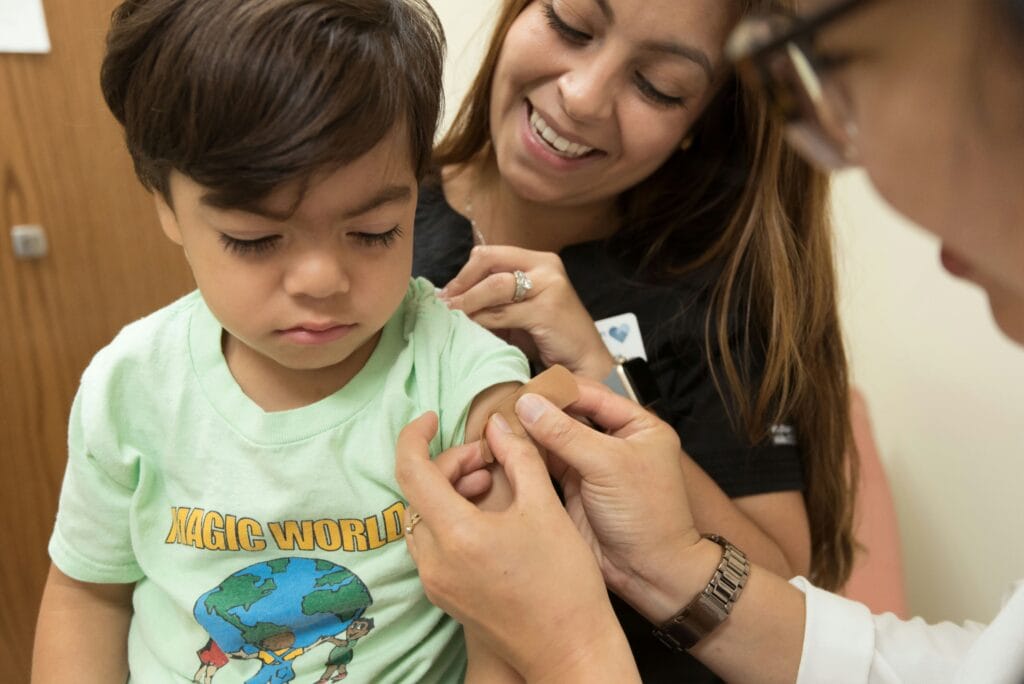
टाळता येण्याजोगा प्रत्येक आजार टाळायलाच हवा. लसीकरण हे आजच्या काळातील सर्वात प्रभावी आणि विज्ञानाधारित उपाय आहे. मात्र, आधुनिक लसींविषयी अनेक गैरसमज आणि अफवा पसरवल्या जातात. या गैरसमजांना बाजूला सारून, लसीकरणाचे महत्त्व समजावून घेणे ही प्रत्येक पालकाची जबाबदारी आहे. आधुनिक लसी म्हणजे काय? आधुनिक लसी म्हणजे केवळ एक फॅड किंवा डॉक्टर व कंपन्यांचा धंदा नाहीत. त्या विज्ञानाच्या दीर्घकालीन संशोधनातून तयार झालेल्या फळांपैकी एक आहेत. जशा आपण मोटरसायकल, मोबाईल, टीव्ही, आणि कॉम्प्यूटरसारख्या तंत्रज्ञानाचा स्वीकार केला आहे, तसेच आधुनिक लसींचाही स्वीकार केला पाहिजे. लसीकरणाबाबतचे महत्त्वाचे मुद्दे सरकारी लसी आणि खाजगी लसी सरकारकडून फक्त अत्यावश्यक आणि परवडणाऱ्या काहीच लसी दिल्या जातात. मात्र, आपल्या बाळासाठी योग्य त्या सर्व लसी मिळवणे ही आपली जबाबदारी आहे. सरकारी सुविधांबरोबरच खाजगी डॉक्टरांचा सल्ला घेऊन लसीकरणाचे नियोजन करा. माहिती आणि सल्ल्याची गरज सर्व नर्स, सरकारी कर्मचारी किंवा अगदी प्रत्येक डॉक्टर देखील लसींबाबत तितके जाणकार नसू शकतात. म्हणूनच जाणकार बालरोगतज्ज्ञांचा सल्ला घेऊन योग्य लसीकरण सुनिश्चित करा. बाळाचे भविष्य आपल्या हाती “मूल तुमचं खाजगी आहे, सरकारी नाही.” म्हणून सरकारी योजना पुरेशा नसतील तर खाजगीरित्या लसीकरण पूर्ण करा. आज लसीकरणाच्या माध्यमातून आपण अनेक गंभीर आजारांपासून आपल्या बाळाचे संरक्षण करू शकतो. टीप: या ब्लॉगचा उद्देश लसीकरणाविषयी जागरूकता निर्माण करणे हा आहे. तुमच्या बाळाच्या लसीकरणासाठी नेहमी विश्वासार्ह तज्ज्ञांचा सल्ला घ्या. – विद्यावाचस्पति डॉ. अनिल मोकाशी (बालरोगतज्ञ)एमबीबीएस, एमडी, डीसीएच, एफआयएपी,पीएचडी (मुलांची वाढ व विकास)

आजार परवडला की लस? खरं तर लस परवडते! Read Post »

Childhood Stress

Recognizing Stress in Children – From Newborns to School Age

#16 When we think of childhood, we imagine a carefree time full of happiness and play. As adults, it’s easy to overlook that children experience their own kinds of stress—even babies have their own challenges. Just like adults, children’s stress responses are unique to their age and environment. Recognizing these signs and understanding the root of their worries helps us support them as they navigate these emotions. Stress in Newborns and Babies: An Early Start to Anxiety Yes, it’s true—even babies experience stress. Though they can’t express it in words, they feel anxiety due to various factors, like separation from their mother, overstimulation, hunger, or discomfort. Newborns are deeply sensitive to their surroundings and can even sense tension or stress from their caregivers. Since they cannot communicate through language, crying becomes their way of expressing these feelings. Creating a predictable and soothing environment with consistent routines, gentle touch, and calm surroundings can work wonders for a baby’s sense of safety. It may surprise you, but babies have a keen awareness of the world around them. They respond to the security and calm provided by those closest to them. Everyday Stressors for Toddlers and Preschoolers As children grow, their concerns shift along with their age. Toddlers and preschoolers often feel stress around separation from their parents or primary caregivers, particularly in new settings or at the beginning of school. Additionally, exposure to loud sounds, chaotic environments, or constant change can leave them feeling overstimulated or uneasy. It’s important for caregivers to recognize that what may seem insignificant to an adult can be overwhelming for a young child. Acknowledge their feelings, provide calm reassurance, and help them ease into new situations at their own pace. Small steps like talking them through the day’s plan or letting them know you’ll be there soon can help make a difference. Older Children: Stress in the School Years For older children, especially school-aged kids, stress takes on a new form. Academic pressures, the desire to fit in with peers, or a busy schedule of extracurricular activities can contribute to their stress. If a child’s schedule becomes too packed, they may start to show signs of burnout. Some children might complain of feeling “too busy” or may begin resisting certain activities. At home, they may show more signs of frustration, defiance, or become more withdrawn. It’s also worth noting that kids pick up on adult stress. They notice conversations about work, financial struggles, or family conflicts. Even news stories they see on TV about accidents or disasters can make them worry about safety. Providing a calm, stable atmosphere and a reliable routine at home can offer significant support. Recognizing and acknowledging a child’s stress is the first step toward helping them cope. A little attention and reassurance go a long way in helping children manage these complex feelings. In my next post, we’ll talk about ways to help children cope with stress in a healthy and effective way. – Dr. Anil Mokashi (Pediatrician)MBBS, MD, DCH, FIAP, PhD(Child Growth and Development)

Recognizing Stress in Children – From Newborns to School Age Read Post »

Autism and the Role of the Mother

Autism and the Role of the Mother (Part 2)

#15 Building on the previous discussion, here we address additional aspects of raising a child with autism and the mother’s role in fostering development. To further help an autistic child, here are more important points to consider: 1. Social Interaction and Play Social interaction is difficult for children with autism, but it is essential. Encouraging play with siblings or peers and teaching them to take turns is a valuable way to build social skills. Autistic children may prefer solitary or repetitive play, but structured play with clear rules can promote social engagement. Isolating the child is not helpful—exposure to social settings and social skill training can help increase their ability to interact with others. 2. Handling Sensory Challenges Autistic children may be hypersensitive or under-sensitive to sensory inputs such as light, sound, or touch. Mothers need to observe their child’s sensory preferences and create an environment that minimizes discomfort. Measures such as reducing noise, dimming lights, or using weighted blankets can help the child cope with sensory overload and reduce meltdowns. 3. Taking Help from Doctors and Specialists Both the mother and child need support from professionals. Autism requires management, not treatment. Good handling of problems leads to positive outcomes, while poor handling can create abnormal behaviors. Early intervention services, speech and occupational therapies, and social skills training from experts can greatly help the child. Mothers should learn from these professionals and cooperate fully to ensure the best possible support for their child. 4. Self-Care for Mothers Raising an autistic child is physically and emotionally demanding. Mothers need to take care of their mental health. Joining support groups with other mothers in similar situations can provide emotional support and advice. Celebrating small milestones and recognizing progress will help maintain a positive mindset. Mothers should prioritize their own well-being as much as their child’s. 5. Preparing for the Future While it’s important to focus on the present, mothers should also prepare for what comes next. As the child grows, their needs will change, and they will require new skills to become more independent. Teaching them daily living skills and fostering independence should start early to help them navigate the future more effectively. Autism is a lifelong journey, and the mother plays a pivotal role in her child’s development. With love, patience, and support from family and professionals, mothers can help their autistic child thrive. Understanding the unique needs of the child and providing them with a stable, loving environment will enhance their quality of life and ensure they reach their full potential. – Dr. Anil Mokashi (Pediatrician)MBBS, MD, DCH, FIAP, PhD(Child Growth and Development)

Autism and the Role of the Mother (Part 2) Read Post »

Autism

Autism and the Role of the Mother (Part 1)

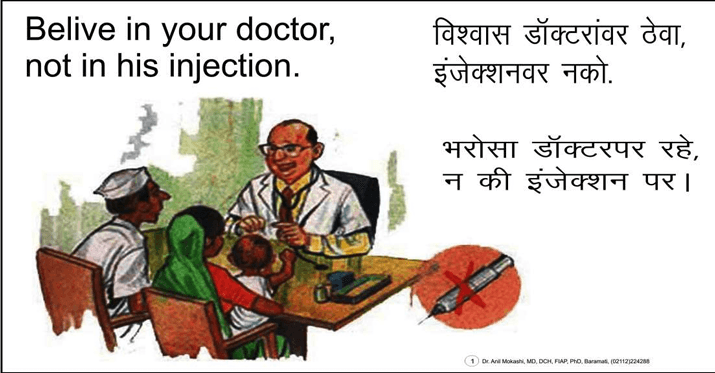
Mother matters most. Especially for an autistic child. She is the primary support system for her child’s development and well-being. It is essential for a mother to understand what autism is, what difficulties she can expect, and how she can best support not only her child but her entire family. When I say “mother,” I include the father and the whole family, as the role extends beyond just the mother. To make understanding autism more straightforward, it helps to answer these important questions: 1. What is Autism? Autism is a complex neurological and developmental disorder. It affects families around the world, regardless of caste, race, wealth, or education. Autism is no one’s fault—it occurs randomly. This condition affects communication, behavior, and social interactions. It’s called a “spectrum” disorder because it affects individuals in varying degrees. Autism is not a disease, but a disorder. It means that something in normal functioning is disrupted. Unlike diseases, autism cannot be cured; it is a lifelong condition. 2. How to Know if Your Child May Have Autism Signs that may indicate autism include delayed speech, lack of eye contact, repetitive behaviors, and difficulty understanding social cues. Autistic children often think in images rather than language. They may seem more attached to objects than to people and may appear detached from those around them. Autism is diagnosed through behavioral observations, as there is no specific lab test for it. 3. Strengths and Challenges of an Autistic Child An autistic child may have unique strengths, such as being very detail-oriented or having a high degree of expertise in certain areas. However, they may also face significant challenges, such as sensory sensitivities or difficulty understanding social situations. 4. How Can a Mother Help Her Autistic Child? First and foremost, accept that your child is autistic. Do not hide it—acknowledge and embrace it. “Jaisa hai, waisa hai, mera hai pyara hai” (As they are, they are mine, and I love them) is the best attitude. Mothers need to act in their child’s best interest, understanding and responding to their special needs while seeking help from those experienced in autism care. 5. How to Handle the Child’s Mind and Emotions Both the child and the mother are at risk of emotional strain. Autistic children often struggle to express their feelings or control their emotions. Mothers need to create a stable and loving environment where the child feels safe. With the right support, behavioral and psychiatric issues can be minimized or avoided. 6. How to Manage Communication Difficulties Focus on your child’s strengths and build upon them. Find out what they are good at and enjoy doing. Encourage communication through picture books, mobile apps, and other tools that help strengthen listening and verbal skills. Practice facial expressions and body language to aid in non-verbal communication. 7. Developing Predictable Daily Schedules Children with autism benefit from a structured routine. Having a fixed daily schedule gives them a sense of security and reduces anxiety. However, they also need to learn how to handle changes in routine. Gradual changes, visual schedules, and slower transitions can help them cope with disruptions. – Dr. Anil Mokashi (Pediatrician)MBBS, MD, DCH, FIAP, PhD(Child Growth and Development)
Autism and the Role of the Mother (Part 1) Read Post »

baby, crying, child

Management of a Crying Baby

Understanding Your Baby’s Cry All babies cry—some more, some less. It’s their natural way of telling you something. Crying is their language, their means of communication, and while it can be worrying, it’s important to remember: crying is healthy. It’s a normal activity and exercise for the baby, and it doesn’t always mean something is wrong. Often, it simply signals that the baby needs help or comfort. Decoding the Cries Understanding why your baby is crying can make a big difference in how you respond. You will gradually learn what your baby’s specific cries mean. Initially, every cry may sound the same, but over time, you’ll become familiar with the subtle differences. After a few weeks of closely listening and responding, you’ll have a better understanding of what your baby is trying to communicate. Why Do Babies Cry? There are many reasons why a baby might cry. Some common causes include: What to Do When Your Baby Cries Responding quickly to your baby’s cries is essential. Meeting your baby’s needs promptly does not spoil her; in fact, it can reduce how often and how intensely she cries. The longer a baby cries, the harder it becomes to calm her. Here are some helpful steps: Try any of the following methods to soothe your baby: Coping with Frustration Endless crying and high-pitched shrieks can be nerve-wracking. When nothing seems to work, it’s easy to feel helpless or frustrated. However, it’s crucial not to lose control. Never shake a baby in frustration. If you feel overwhelmed: When to See a Doctor If your baby shows any of the following signs, seek medical attention: Final Thoughts Caring for a crying baby can be one of the biggest challenges for new parents. However, don’t worry. Your baby’s cries have special meaning, and learning to understand them is part of being a parent. Babies cry for a reason—it’s their first attempt to communicate with you. Stay calm and patient, knowing that crying is part of your baby’s healthy development. By understanding and responding to your baby’s cries, you help build a strong, trusting bond. Prevent stress—for both you and your baby—and always manage your emotions to avoid potential frustration. Together, you’ll navigate these early days with confidence and love. – Dr. Anil Mokashi (Pediatrician)MBBS, MD, DCH, FIAP, PhD(Child Growth and Development)

Management of a Crying Baby Read Post »

Teacher Asking a Question to the Class

School Safety: Are We Leaving Our Children to Fate?

#10 Accidents in schools can often be prevented. However, when they do occur, it’s crucial to handle them systematically. The safety of children within school premises is ultimately the responsibility of the school management. Yet, when everyone is considered responsible, it can lead to a situation where, effectively, nobody feels accountable. That’s why responsibility needs to be assigned to specific individuals. Designating a Child Safety Officer Every school should appoint a “Child Safety Officer” from among the teaching staff. This person should be well-versed in safety rules and management protocols. They would not only lead their own team but also work alongside the Principal, class teachers, and student monitors to foster a culture of safety. Together, they can organize child safety and first aid training sessions for teachers, parents, and students. Ensuring Safe Handovers and Monitoring At the school gate, a responsible staff member should oversee the handover of students to their guardians. It’s essential to verify the identity of the person picking up the child and to document any suspicious activities. This includes collecting information about taxi and auto drivers, such as their names, addresses, and phone numbers. For school buses, strict adherence to safety rules is non-negotiable. Visibility and Preparedness While on school premises, children should always be within the line of sight of responsible adults. A first aid kit should be readily available at a designated spot. Any incidents should be documented thoroughly, including detailed descriptions and signatures from witnesses. Furthermore, a notice board should display emergency contact numbers for the Child Safety Officer, Principal, administration, doctors, ambulances, fire stations, and police. In the case of a medical emergency, having a nearby doctor on call, along with a written agreement regarding fees and consent from parents for treatment, is essential. Addressing Child Abuse and Safety Issues Child abuse is a serious issue that requires a proactive and planned approach. This involves identification, prevention, and corrective measures. Abuse can take many forms—physical, sexual, psychological, or neglect. Schools should ensure that children are never out of sight of staff members, and efforts should be made to avoid isolated areas. Any external labor should be supervised directly by designated school staff, with proper identification recorded. Corporal punishment has no place in our schools; it’s a crime. Children tend to behave well when they know they will be appreciated, rather than out of fear of punishment. Any suspicion of abuse should be documented and reported immediately. Behavioral issues, mental health problems, and incidents of bullying, fighting, or addiction must not be overlooked. Special considerations for the safety of handicapped children are also essential. The Urgency for Action Currently, it seems that no one is taking the safety of school children seriously—neither parents, schools, communities, nor the government. Children are often left at the mercy of fate. It’s time for action, not just discussion. Let’s prioritize the safety and well-being of our children before it’s too late. – Dr. Anil Mokashi (Pediatrician)MBBS, MD, DCH, FIAP, PhD (Child Growth and Development)

School Safety: Are We Leaving Our Children to Fate? Read Post »

Embracing the Digital Age – A Grandfather’s Dilemma : Part 2

#09 Children’s minds are highly adaptable, and they quickly learn to navigate the digital world. Their brains are incredibly flexible – a phenomenon called “neuroplasticity.” In fact, during the first three years of life, a child’s brain forms over a million new connections every second! Exposure to digital media can enhance listening, comprehension, and decision-making skills, which is why the younger generation often seems “smarter” than we were at their age. However, many misconceptions surround technology, particularly smartphones. Misinformation and fear drive assumptions that screens cause issues like insomnia, cancer, anxiety, ADHD, and more. While these concerns are valid to some extent, many are exaggerated or based on pseudoscience. We must approach these issues with a balanced, scientific perspective, especially as artificial intelligence and other technologies increasingly integrate into our daily lives. Teaching Responsible Digital Use It’s crucial to teach children how to be safe and responsible in their use of technology. Here’s a list of essential digital safety principles for children: – Dr. Anil Mokashi (Pediatrician)MBBS, MD, DCH, FIAP, PhD(Child Growth and Development)

Embracing the Digital Age – A Grandfather’s Dilemma : Part 2 Read Post »

Me and Our BKK staff

My Journey as a Pediatrician – Part 2: Expanding Horizons

In the second part of my journey, I want to delve deeper into the experiences that have shaped my approach to pediatrics and social work. The road has been long, with many lessons learned along the way, but each step has brought me closer to fulfilling my mission of making a lasting impact on the lives of children and their families. Integrating Social Work into Pediatric Care As my work in pediatrics deepened, I began to see more clearly the intersection between health and social factors. Many of the issues faced by the children I treated were not just medical but also deeply rooted in social and economic conditions. This realization pushed me to expand my focus beyond the clinic, to engage in social work that could address these broader determinants of health. One of the key initiatives I was involved in was a community outreach program that aimed to improve child health in underserved areas. We conducted health camps, provided nutritional support, and offered educational workshops for parents. The goal was to empower communities with the tools and knowledge to improve their children’s health, even in the face of economic challenges. This work reinforced my belief that pediatric care must be holistic, addressing not just the child’s medical needs but also the social environment in which they live. Education: A Lifelong Passion Education has always been close to my heart. In addition to my work with Bal Kalyan Kendra, I have been involved in various educational initiatives aimed at improving the quality of education for all children. Whether through my writings, public speaking, or direct involvement in educational programs, my goal has been to advocate for a system that recognizes and nurtures the unique potential of every child. One of the initiatives I am particularly proud of is our vocational training program at Bal Kalyan Kendra. Recognizing that not all children fit into the traditional academic mold, we developed a curriculum that offers practical skills training. This program has opened up new opportunities for our students, giving them the confidence and abilities to lead independent, fulfilling lives. Looking to the Future: Continuing the Mission As I look to the future, my focus remains on expanding the reach and impact of our work. The world is changing rapidly, and with it, the challenges faced by children and families. Issues such as mental health, environmental factors, and access to quality education are becoming increasingly important. My mission is to adapt and evolve our programs to meet these new challenges, ensuring that every child has the opportunity to grow up healthy, educated, and empowered. In addition to continuing my work in pediatrics and social advocacy, I am also exploring ways to leverage technology to improve child health. Telemedicine, digital education platforms, and mobile health apps are just a few of the tools that have the potential to revolutionize how we care for children. I am excited to explore these possibilities and integrate them into our work at Bal Kalyan Kendra. A Personal Note On a more personal note, I am incredibly grateful for the support of my family, colleagues, and the countless individuals who have contributed to our mission. This journey has not been one I have taken alone, and I am deeply appreciative of the community that has grown around our work. As I continue this journey, I invite you to join us in our mission. Whether as a parent, educator, healthcare professional, or simply someone who cares about the well-being of children, your involvement can make a difference. Together, we can build a world where every child has the opportunity to reach their full potential.

My Journey as a Pediatrician – Part 2: Expanding Horizons Read Post »

Dr. Anil Mokashi

My Journey as a Pediatrician – Part 1: The Early Days

As I sit down to write this, I find myself reflecting on a journey that has been as challenging as it has been rewarding. My name is Dr. Anil Mokashi, and my life’s work has been dedicated to the health and well-being of children. The path that led me to pediatrics was not a straight one, but it was one filled with purpose, passion, and a deep-seated desire to make a difference. The Beginning of a Calling My story begins in a small town where I grew up surrounded by the warmth of a close-knit community. From a young age, I was drawn to the idea of helping others, a trait that was nurtured by my parents who were both deeply involved in community service. It was no surprise then that I was drawn to medicine—a field where I could make a tangible impact on people’s lives. Medical school was where I discovered my true calling. While I initially had an interest in general medicine, it was during my pediatric rotations that I found my passion. There is something incredibly fulfilling about working with children. Their resilience, innocence, and potential for growth struck a chord with me, and I knew that pediatrics was where I was meant to be. Building a Career in Pediatrics After completing my medical education, I began my career as a pediatrician. The early years were intense, filled with long hours and steep learning curves. But every challenge was a lesson, every child I treated a reminder of why I chose this path. My approach to pediatrics has always been holistic—I believe that treating a child goes beyond just addressing their physical ailments. It involves understanding their environment, emotional well-being, and the unique dynamics of their family. One of the most memorable moments early in my career was treating a young boy who had been struggling with chronic asthma. His parents were overwhelmed, and his quality of life was severely affected. Over several months, we worked together to manage his condition through medication, lifestyle changes, and most importantly, educating the family on how to create a supportive environment at home. Seeing him thrive, play, and breathe freely for the first time was a moment I will never forget. It solidified my belief that pediatric care is as much about empowering families as it is about treating the child. The Birth of Bal Kalyan Kendra As my career progressed, I became increasingly aware of the gaps in care for children with special needs. Many of these children were not receiving the attention and support they deserved. It was this realization that led me to establish Bal Kalyan Kendra in 1979, an institution dedicated to providing comprehensive care and education for children with mental, physical, and developmental challenges. Bal Kalyan Kendra was born out of a vision to create a nurturing environment where every child, regardless of their abilities, could thrive. We started small, with just a handful of students, but our mission was clear—to offer a safe space where these children could receive not only education but also the therapeutic and emotional support they needed. Today, our school serves over 350 students, each one a testament to the resilience of the human spirit. Pediatrics Beyond the Clinic While my clinical work and the establishment of Bal Kalyan Kendra have been central to my journey, my commitment to pediatrics extends beyond the walls of the clinic. I have always believed in the power of education, not just for children but for parents and caregivers as well. Over the years, I have written numerous articles, guides, and even a few books aimed at demystifying child healthcare and providing practical advice to parents. My writing is an extension of my practice—a way to reach more people, share insights, and advocate for better healthcare policies. Whether it’s discussing the importance of vaccinations, addressing common parenting challenges, or highlighting the needs of special children, my goal has always been to empower parents with the knowledge they need to raise healthy, happy children.

My Journey as a Pediatrician – Part 1: The Early Days Read Post »

Scroll to Top