#16
When we think of childhood, we imagine a carefree time full of happiness and play. As adults, it’s easy to overlook that children experience their own kinds of stress—even babies have their own challenges. Just like adults, children’s stress responses are unique to their age and environment. Recognizing these signs and understanding the root of their worries helps us support them as they navigate these emotions.
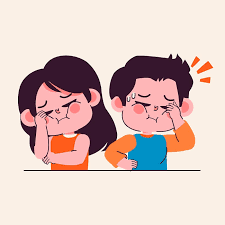
Stress in Newborns and Babies: An Early Start to Anxiety
Yes, it’s true—even babies experience stress. Though they can’t express it in words, they feel anxiety due to various factors, like separation from their mother, overstimulation, hunger, or discomfort. Newborns are deeply sensitive to their surroundings and can even sense tension or stress from their caregivers. Since they cannot communicate through language, crying becomes their way of expressing these feelings.
Creating a predictable and soothing environment with consistent routines, gentle touch, and calm surroundings can work wonders for a baby’s sense of safety. It may surprise you, but babies have a keen awareness of the world around them. They respond to the security and calm provided by those closest to them.
Everyday Stressors for Toddlers and Preschoolers
As children grow, their concerns shift along with their age. Toddlers and preschoolers often feel stress around separation from their parents or primary caregivers, particularly in new settings or at the beginning of school. Additionally, exposure to loud sounds, chaotic environments, or constant change can leave them feeling overstimulated or uneasy.
It’s important for caregivers to recognize that what may seem insignificant to an adult can be overwhelming for a young child. Acknowledge their feelings, provide calm reassurance, and help them ease into new situations at their own pace. Small steps like talking them through the day’s plan or letting them know you’ll be there soon can help make a difference.
Older Children: Stress in the School Years
For older children, especially school-aged kids, stress takes on a new form. Academic pressures, the desire to fit in with peers, or a busy schedule of extracurricular activities can contribute to their stress. If a child’s schedule becomes too packed, they may start to show signs of burnout. Some children might complain of feeling “too busy” or may begin resisting certain activities. At home, they may show more signs of frustration, defiance, or become more withdrawn.
It’s also worth noting that kids pick up on adult stress. They notice conversations about work, financial struggles, or family conflicts. Even news stories they see on TV about accidents or disasters can make them worry about safety. Providing a calm, stable atmosphere and a reliable routine at home can offer significant support.
Recognizing and acknowledging a child’s stress is the first step toward helping them cope. A little attention and reassurance go a long way in helping children manage these complex feelings. In my next post, we’ll talk about ways to help children cope with stress in a healthy and effective way.
– Dr. Anil Mokashi (Pediatrician)
MBBS, MD, DCH, FIAP, PhD
(Child Growth and Development)