Understanding How a Child Learns to Move, Think, Communicate, and Connect
Every parent eagerly waits for the first smile, the first step, or the first word. These moments are celebrated as milestones, but to a pediatrician, they represent something far more profound. They are visible evidence that the child’s brain is developing, organizing, and acquiring new functions.
Unlike growth, which can be measured in centimetres and kilograms, development cannot be measured with a weighing scale or a measuring tape. It reflects the gradual maturation of the nervous system and the child’s ability to interact with the surrounding world.
Every new skill a child acquires is the result of millions of neural connections being formed, strengthened, and refined. Development, therefore, is not merely the learning of new abilities—it is the unfolding of the brain’s remarkable potential.
Development Follows a Predictable Sequence
Parents often compare their child’s development with that of siblings, cousins, or neighbours. While the timing of milestones may vary slightly, the sequence of development remains remarkably constant.
A child first gains head control before sitting, sits before standing, and stands before walking. Similarly, babbling usually precedes meaningful words, and simple words gradually evolve into sentences.
Development progresses from simple to complex, general to specific, and dependence to independence. This predictable progression allows pediatricians to identify when development is following its expected course and when it may be deviating.
Understanding this sequence is far more important than memorising the exact age at which a milestone should occur.
Development is More Than Walking and Talking
Child development encompasses several interconnected domains, each reflecting a different aspect of brain maturation.
Gross motor development enables a child to control posture, balance, and movement. Rolling over, sitting, crawling, walking, and running are all milestones within this domain.
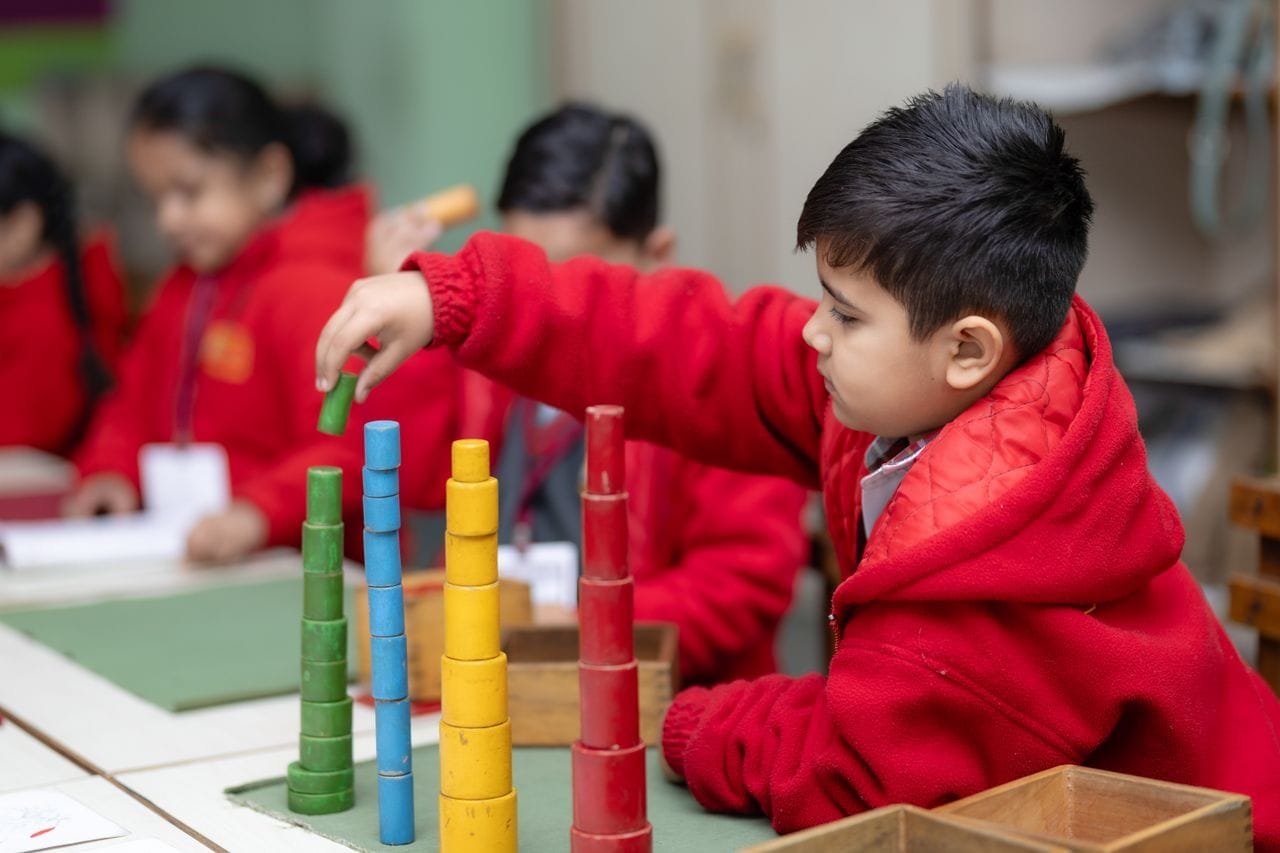
Fine motor development reflects the growing coordination between the brain, eyes, and hands. Holding objects, transferring toys from one hand to another, picking up tiny objects, and eventually writing are examples of these skills.
Language development begins long before the first spoken word. A baby’s cries, cooing, babbling, gestures, understanding of familiar voices, and later speech all represent progressive stages of communication.
Social and adaptive development reflects how a child relates to people and adapts to the environment. A social smile, eye contact, waving goodbye, pretend play, and increasing independence in daily activities all belong to this domain.
Although described separately, these domains develop together. A delay in one area may influence progress in another, reminding us that child development is an integrated process rather than a collection of isolated skills.
Milestones Are Guides, Not Deadlines
Developmental milestones should never become a source of anxiety for families. They are reference points that help us understand whether the child’s brain is developing appropriately.
Children are not machines programmed to achieve every milestone on a particular day. Some may walk a little earlier, others may speak slightly later, while remaining entirely healthy.
The important question is not “Has my child achieved this milestone today?” but rather “Is my child continuing to acquire new skills in the expected sequence?”
A child who continues to learn and progress usually reassures the pediatrician far more than one who appears to have stopped progressing altogether.
When Development Raises Concern
Pediatric practice teaches us that delay is important, but regression is even more significant.
A child who acquires skills more slowly than expected deserves careful observation and evaluation. However, a child who loses previously acquired abilities—such as stopping speech, losing eye contact, or no longer walking independently—requires urgent assessment.
Developmental concerns should never be dismissed with statements such as “Boys speak late,” or “Every child develops differently.”
While individual variation certainly exists, persistent delays or regression may indicate underlying neurological, genetic, metabolic, hearing, or developmental disorders.
Recognising these concerns early allows intervention during the period when the developing brain is most responsive.
Developmental Surveillance: An Ongoing Responsibility
Development should not be assessed only when parents become worried.
Every interaction with a child is an opportunity to observe development. Pediatric consultations, immunization visits, preschool observations, Anganwadi assessments, and classroom interactions all contribute valuable information.
Developmental surveillance is therefore a continuous process rather than a single screening test.
Parents, grandparents, teachers, Anganwadi workers, therapists, and healthcare professionals each observe the child in different environments. Together, they create a more complete understanding of the child’s strengths and emerging concerns.
Early Intervention Changes the Child’s Future
One of the greatest advances in developmental pediatrics has been the recognition that early intervention can significantly alter long-term outcomes.
The young brain possesses remarkable plasticity. During the first few years of life, it responds exceptionally well to appropriate stimulation, therapy, and supportive caregiving.
Physiotherapy, occupational therapy, speech and language therapy, special education, behavioural intervention, and structured parent training are not simply treatments. They are opportunities to help the developing brain build stronger pathways during its most receptive period.
Early intervention does not merely improve milestones; it enhances participation, independence, learning, and quality of life.
Autism and ADHD: Understanding Developmental Differences
Among the various developmental conditions encountered in childhood, Autism Spectrum Disorder (ASD) and Attention Deficit Hyperactivity Disorder (ADHD) are increasingly recognised.
Autism primarily affects social communication, interaction, and behaviour. Poor eye contact, limited response to name, delayed communication, repetitive behaviours, and restricted interests often represent early indicators.
ADHD, in contrast, primarily affects attention, impulse control, and activity regulation. Children may appear excessively restless, impulsive, or easily distracted despite having normal intelligence.
Although these conditions differ, they share one important principle: early recognition leads to earlier support, allowing children to reach their fullest potential.
A diagnosis should never be viewed as a label. It is the beginning of understanding the child’s unique developmental needs.
The Child Develops Within an Ecosystem
Development does not occur in isolation.
A nurturing family, responsive caregivers, stimulating play, adequate nutrition, quality healthcare, inclusive education, and a supportive community together shape the child’s developmental journey.
Every conversation, every story read aloud, every opportunity to explore, every encouraging word, and every meaningful interaction contributes to the architecture of the developing brain.
Development is therefore not solely the responsibility of the pediatrician or therapist. It is a shared responsibility of the entire child ecosystem.
A Final Thought
Development is the story of how the human brain gradually transforms a newborn into an individual capable of thinking, communicating, learning, creating, and building relationships.
Milestones are not achievements to compete over; they are signposts that help us understand this remarkable journey.
By observing development carefully, recognising concerns early, and intervening without delay, we provide every child with the opportunity to realise their fullest potential.
The greatest gift we can offer a child is not merely the chance to grow—but the opportunity to develop, participate, and thrive within a caring and informed ecosystem.
– Dr. Anil Mokashi (Pediatrician)
MBBS, MD, DCH, FIAP, PhD
(Child Growth and Development)