Child & Parental Guide

child showing stubbornness while a parent handles the situation calmly.

Understanding and Managing Stubbornness in Children

#28 Stubbornness in children is a common developmental behavior that often leaves parents feeling frustrated and helpless. However, it is not a flaw in the child but a natural part of growing up. It emerges when children begin to assert their independence, usually between ages 2 to 4. This phase is crucial as it helps them develop a sense of autonomy. Why Do Children Become Stubborn? The primary reason for stubborn behavior is not the child’s personality but the environment they are raised in. Parents and caregivers unknowingly teach children how to be stubborn through their reactions. Every time a child’s tantrum results in them getting what they want, they learn that stubbornness works. Thus, faulty parenting, inconsistent discipline, or excessive pampering can reinforce this behavior. How Does Stubbornness Manifest? A stubborn child might:✅ Refuse to eat certain foods✅ Resist bedtime or daily routines✅ Show reluctance to share or follow instructions✅ Insist on doing things their own way, regardless of logic What Doesn’t Work? ❌ Shouting, yelling, or punishing – These methods only escalate the situation.❌ Physical abuse – This not only damages the child emotionally but worsens stubbornness.❌ Engaging in power struggles – The more resistance a child faces, the stronger their defiance becomes. What Actually Works? ✅ A firm, calm “No” – Children need clear and consistent boundaries.✅ Breaking the situation – Change the subject, place, or people involved to distract the child.✅ Avoid reasoning in the heat of the moment – A stubborn child is beyond reasoning when in the middle of a tantrum. Address the behavior later, not during the meltdown.✅ Stay calm and composed – Your reaction determines their reaction. If you stay cool, their stubbornness will decrease. If you boil up, it will intensify. The Golden Rule for Parents 👉 Your child’s stubbornness is a reflection of your reaction.👉 If you get angry, they become more stubborn.👉 If you stay calm, they gradually stop being stubborn. Parenting is not about controlling children but about guiding them. Understand them, remain patient, and model the behavior you want to see. – Dr. Anil Mokashi (Pediatrician)MBBS, MD, DCH, FIAP, PhD(Child Growth and Development)

Understanding and Managing Stubbornness in Children Read Post »

A-doctor-in-a-white-coat-is-performing-a-medical-checkup-on-a-sleeping-child-lying-on-a-medical-examination-table.-

Prolonged Expiratory Time in Children – A Sign of Bronchospasm?

#27 Observing a child’s breathing pattern can reveal crucial signs of respiratory issues. One such important indicator is prolonged expiratory time. If a child’s expiration lasts significantly longer than inspiration, leading to an Inspiratory-Expiratory (I:E) ratio of 1:3 or more, it may suggest bronchospasm. Why Does This Happen? In normal breathing, expiration is usually longer than inspiration, maintaining an I:E ratio of around 1:2. However, in conditions like asthma, bronchiolitis, or any airway obstruction, the airways become narrowed, increasing resistance and making it harder for air to exit the lungs. This results in: ✅ Prolonged expiratory phase✅ Wheezing, especially during expiration✅ Increased respiratory effort✅ Air trapping and hyperinflation of the lungs When Should Parents and Doctors Be Concerned? If a child exhibits signs of difficulty in breathing, wheezing, or if their expiration appears significantly prolonged, it is crucial to evaluate for conditions like asthma or bronchiolitis. Early detection and management can prevent complications and ensure better respiratory health. Breathing patterns tell us a lot—if we listen carefully, we can diagnose early and act swiftly! – Dr. Anil Mokashi (Pediatrician)MBBS, MD, DCH, FIAP, PhD(Child Growth and Development)

Prolonged Expiratory Time in Children – A Sign of Bronchospasm? Read Post »

बालकल्याण केंद्राच्या मूकबधिर मुलींचा प्रेरणादायी प्रवास

आत्मविश्वासाचा उत्सव: मूकबधिर मुलींचा प्रेरणादायी प्रवास

स्टेजवर नृत्यात रमलेल्या त्या मुली पाहून एक क्षणभर थांबलो. पहिल्या-दुसऱ्या वर्षाच्या कॉलेजमधल्या मुली वाटाव्यात, इतकं आत्मविश्वासानं नाचत होत्या. चेहऱ्यावर तेज, ड्रेस छान, नृत्यात कमालीची ग्रेस! पण या मुली कोण होत्या? त्या आमच्या बालकल्याण केंद्रातील सहावी-सातवीच्या मूकबधिर मुली होत्या. त्यांच्याकडे पाहिल्यावर लक्षात आलं—या एका नृत्यामुळे त्यांची स्वतःविषयीची प्रतिमा कशी बदलली आहे! कदाचित, त्यांच्या मनात किंवा त्यांच्या आई-वडिलांच्या कल्पनेतही कधी आलं नसेल की त्या एवढ्या स्मार्ट, मॉडर्न आणि आत्मविश्वासानं भरलेल्या दिसू शकतात. पण आज त्या स्टेजवर होत्या, संपूर्ण आत्मविश्वासाने नृत्य सादर करत होत्या. ही आहे खरी ‘नर्चरिंग’ची जादू! हे सहजसाध्य नव्हतं. त्यांच्या कर्तृत्ववान, दूरदर्शी शिक्षकांनीच ही कल्पना सुचवली, त्यांना स्टेजवर आणलं. त्यांना ऐकू येत नाही, तरीही त्यांनी संगीत समजून घेतलं, ताल धरला, नृत्यातून भाव व्यक्त केले. हे काही साधं काम नाही! हे नुसतं नृत्य नव्हतं; हा आत्मविश्वासाचा उत्सव होता, हा स्वत्वाचा शोध होता! आज या मुली स्वतःला कधीच ‘डॅमेजड पीस’ किंवा ‘डिसेबल्ड’ मानणार नाहीत. त्यांची स्वतःविषयीची ओळख बदलली आहे. हाच खरा विजय आहे! यश म्हणजे अजून काय असतं? हे शक्य केलं शिक्षकांनी, कर्मचाऱ्यांनी! या मुलींच्या आयुष्यात हा बदल घडवून आणणाऱ्या शिक्षक-शिक्षिका, प्रशिक्षक आणि कर्मचाऱ्यांचे मनःपूर्वक आभार. त्यांनी या मुलींमध्ये आत्मविश्वास, कौशल्य आणि आत्मसन्मान रुजवला. माझ्या टीमने, माझ्या स्टाफने आणि शिक्षकांनी माझी स्वप्नं प्रत्यक्षात आणली आहेत. याचसाठी केला होता अट्टाहास! मूल केवळ शिकावं एवढ्यावरच माझा विश्वास नाही. त्यांचं व्यक्तिमत्त्व खुलावं, त्यांना स्वतःची ताकद उमगावी, ते आत्मनिर्भर बनावेत—यासाठीच हा प्रयत्न! आणि आज, या स्टेजवरच्या मुली पाहिल्यावर वाटतं—होय, हे स्वप्न पूर्ण होतंय! – विद्यावाचस्पति डॉ. अनिल मोकाशी (बालरोगतज्ञ)एमबीबीएस, एमडी, डीसीएच, एफआयएपी,पीएचडी (मुलांची वाढ व विकास)

आत्मविश्वासाचा उत्सव: मूकबधिर मुलींचा प्रेरणादायी प्रवास Read Post »

Poster Set For Parents

Poster Set for Parents

– विद्यावाचस्पति डॉ. अनिल मोकाशी (बालरोगतज्ञ)एमबीबीएस, एमडी, डीसीएच, एफआयएपी,पीएचडी (मुलांची वाढ व विकास)

Poster Set for Parents Read Post »

Tuberculosis in children

या बाळाला टी.बी. तर नसेल ना ? शंका कधी घ्यावी ?

#24 लहान मुलांमध्ये टी.बी. (क्षयरोग) ओळखणे कठीण असते. बाळ खूप आजारी होईपर्यंत लक्षणे स्पष्ट दिसत नाहीत, त्यामुळे निदान उशिरा होते. जुनाट संसर्ग आणि मुलाच्या वाढीतील अडथळा यावरून टी.बी.चा संशय घ्यावा लागतो. प्रतिकारशक्ती कशी आहे, यावर बऱ्याच लक्षणांचे स्वरूप अवलंबून असते. लहान मुलांमध्ये टी.बी. कशी होते? टी.बी.चे जंतू मोठ्या माणसांमधून लहान मुलांमध्ये संक्रमित होतात. परंतु, सगळीच मुले आजारी पडत नाहीत. ज्यांची प्रतिकारशक्ती चांगली असते, ती मुलं टी.बी.च्या जंतूंशी लढू शकतात आणि निरोगी राहतात. प्रतिकारशक्ती कमी असल्यास टी.बी. जंतू हळूहळू शरीरात पसरतात, फुफ्फुस आणि लिम्फ नोड्समध्ये संक्रमण वाढते, आणि मग मुलं आजारी पडतात. पालकांना शंका कधी घ्यावी? लहान मुलांमधील टी.बी.चे निदान मुख्यतः संशयावर आधारित असते. संशय घेण्यास मदत करणाऱ्या 10 मार्गांपैकी पहिले चार लक्षणे वारंवार दिसतात, तर उर्वरित सहा क्वचितच दिसतात. वारंवार आढळणारी चार लक्षणे क्वचित आढळणारी सहा लक्षणे टी.बी. ओळखण्यासाठी काय करावे? वरील लक्षणांवरून संशय येत असेल तर त्वरित बालरोगतज्ञाचा सल्ला घ्या. टी.बी.चे निदान आणि उपचार लवकर सुरू केल्यास मुलाला गंभीर परिणामांपासून वाचवता येते. निष्कर्ष लहान मुलांमधील टी.बी.चे निदान करण्यासाठी वेळीच संशय घेणे आणि योग्य उपचार सुरू करणे गरजेचे आहे. मुलांच्या आरोग्यासाठी डॉक्टरांचा सल्ला नियमितपणे घ्या, कारण योग्य माहितीमुळे बाळाचे आरोग्य चांगले राखता येते. – विद्यावाचस्पति डॉ. अनिल मोकाशी (बालरोगतज्ञ)एमबीबीएस, एमडी, डीसीएच, एफआयएपी,पीएचडी (मुलांची वाढ व विकास)

या बाळाला टी.बी. तर नसेल ना ? शंका कधी घ्यावी ? Read Post »

Physician examine and playing with child

बाळ छान आहे, आजारी आहे, की सिरियस आहे? ओळखायला शिका

पालक म्हणून आपण मुलांच्या आरोग्याबद्दल काळजी करणे स्वाभाविक आहे. बाळ “छान” आहे की “आजारी” आहे हे ओळखणे प्रत्येक पालकाला जमलेच पाहिजे. पण हे कसे ओळखावे? बाळाचा आरोग्य टप्पा समजून घेणे महत्त्वाचे आहे. कारण लहान मुलांमधील आजार वेगवेगळ्या टप्प्यांमधून जातात. योग्य माहितीच्या आधारे योग्य निर्णय घेणे हाच पालकत्वाचा गाभा आहे. बाळ “छान” आहे की “आजारी” आहे? जर बाळ छान असेल तर उगाचच काळजी करायची गरज नाही. परंतु, बाळ आजारी दिसत असेल तर ते ‘वेळेत’ डॉक्टरांपर्यंत पोहोचले पाहिजे. गंभीर आजारी बाळाला क्लिनिकच्या वेटिंग रूममध्ये थांबवणे चुकीचे आहे. म्हणूनच, बाळ कोणत्या टप्प्यावर आहे हे समजणे महत्त्वाचे ठरते. बाळाच्या आरोग्याचे टप्पे बाळाच्या आरोग्य स्थितीचे मुख्यतः सहा टप्पे असतात: पालकांना काय करावे? बाळाचे आरोग्य ओळखण्यासाठी मेंदूच्या क्रियाकलापांकडे लक्ष द्या. बाळाचे वागणे, खाणे, खेळणे आणि रडण्याच्या पद्धतीत बदल दिसला तर त्याकडे दुर्लक्ष करू नका. बाळ थोडे गळून गेलेले दिसले तरी डॉक्टरांकडे जाणे चांगले. कारण, लहान मुलांची तब्येत झपाट्याने बिघडू शकते. निष्कर्ष बाळ छान आहे की आजारी आहे हे ओळखण्यासाठी थोडी माहिती आणि सराव लागतो. आपल्या जवळच्या बालरोगतज्ञाचा सल्ला वेळोवेळी घ्या. लहान मुलांच्या आरोग्यासाठी डॉक्टर फक्त औषधांसाठी नसून योग्य मार्गदर्शनासाठीही महत्त्वाचे आहेत. पालकांनी ही माहिती लक्षात घेतली तर बाळाच्या आरोग्याची योग्य काळजी घेणे शक्य होईल. – विद्यावाचस्पति डॉ. अनिल मोकाशी (बालरोगतज्ञ)एमबीबीएस, एमडी, डीसीएच, एफआयएपी,पीएचडी (मुलांची वाढ व विकास)

बाळ छान आहे, आजारी आहे, की सिरियस आहे? ओळखायला शिका Read Post »

A doctor consulting with parents while holding a smiling baby.

21 व्या शतकातील पालकांना बालपणाचे विज्ञान माहित असायलाच हवे

#22 आता जुन्या काळचे पालकत्व कसे चालेल? काळ बदलला, जग बदलले. शामच्या आईचे जग आता कुणालाही निर्माण करता येणार नाही. कौटुंबिक आणि सामाजिक रचना बदलल्याने, एकट्या पडलेल्या तरुण आई-वडिलांना आता आत्मनिर्भर होण्याशिवाय पर्याय नाही. बालपणाच्या प्रत्येक वयात आणि टप्प्यावर योग्य माहितीच्या आधारे त्यांना निर्णय घ्यावे लागणार आहेत. आता यापुढे मुलांना वाढवण्यासाठी फक्त “प्रेम, काळजी आणि पालकांचे सामान्य ज्ञान” पुरेसे ठरणार नाही. मुलांचे संगोपन करण्यासाठी वैज्ञानिक दृष्टिकोन महत्त्वाचा ठरतो. परंतु सुशिक्षित पालकांमध्येही अजून वैज्ञानिक दृष्टिकोन नसल्याचे दिसून येते. त्यांना माहित नाही हेच त्यांना माहित नसते. मुलांच्या संगोपनासाठी वैज्ञानिक दृष्टिकोन का महत्त्वाचा? मुलांचे आरोग्य, आजार, आहार, वाढ, विकास, वागणूक, शिक्षण, मानसशास्त्र आणि अशा बालपणातील सर्व बाबींची खरी वैज्ञानिक माहिती पालकांना असणे आवश्यक आहे. समस्या निर्माण होऊच नयेत म्हणून काय करायचे, आणि काही समस्या निर्माण झाल्यास त्यांचा सामना कसा करायचा, हे पालकांना माहित असले पाहिजे. आजच्या पालकांची सर्वात मोठी समस्या माहितगार व्यक्तीशी संपर्काचा संपूर्ण अभाव हीच आजच्या पालकांची सर्वात मोठी समस्या आहे. आपल्या जवळचा बालरोगतज्ज्ञ हीच सर्वोत्तम माहितगार व्यक्ती आहे. लोकांना असे वाटते की डॉक्टर फक्त आजारासाठी किंवा लसीसाठीच आहेत. “बाळ आजारीच पडत नाही,” किंवा “लस सरकारी आहे, ती मोफत मिळते,” मग डॉक्टरची गरजच काय? परंतु बाळासाठी डॉक्टर केवळ आजारासाठी नाहीत; बालपणातील सर्व समस्यांवर योग्य माहितीसाठीही डॉक्टरच हवेत. शेजारीण किंवा आजीपेक्षा डॉक्टरला जास्त समजते. बाळ नॉर्मल आहे का? नॉर्मल रेंजमध्ये आहे का? काहीतरी चुकतंय का? किंवा बाळ बिघडलेले आहे का? काळजी करण्यासारखे आहे का? हे पालकांनाच ओळखता आले पाहिजे, आणि त्यासाठी वैज्ञानिक दृष्टिकोन महत्त्वाचा ठरतो. मुलांच्या विकासाच्या टप्प्यांची ओळख लहान मूल ही मोठ्या माणसाची छोटी प्रतिकृती नसते. जसे फुलपाखराच्या अंडे, अळी, कोश आणि फुलपाखरू अशा विकासाच्या अवस्था असतात, तशाच मानवी विकासाच्या गर्भावस्था, नवजात, शैशव, शालेय, किशोरावस्था, पौगंडावस्था, तारुण्य, प्रौढावस्था आणि वृद्धावस्था अशा टप्प्याही असतात. प्रत्येक टप्प्यात: वैज्ञानिक दृष्टिकोन म्हणजे काय? वैज्ञानिक दृष्टिकोन म्हणजे संस्कृती आणि कौटुंबिक परंपरांकडे दुर्लक्ष करणे नव्हे. योग्य माहिती मिळवून त्याआधारे निर्णय घेणे, याचा अर्थ होतो. निष्कर्ष म्हणूनच 21 व्या शतकातील पालकांना बालपणाचे विज्ञान समजणे आणि योग्य माहिती घेणे अनिवार्य आहे. आपल्या मुलांच्या आरोग्यासाठी, विकासासाठी आणि भविष्यासाठी वैज्ञानिक दृष्टिकोनासह पुढे जाणे ही काळाची गरज आहे. – विद्यावाचस्पति डॉ. अनिल मोकाशी (बालरोगतज्ञ)एमबीबीएस, एमडी, डीसीएच, एफआयएपी,पीएचडी (मुलांची वाढ व विकास)

21 व्या शतकातील पालकांना बालपणाचे विज्ञान माहित असायलाच हवे Read Post »

Vaccination

आजार परवडला की लस? खरं तर लस परवडते!

टाळता येण्याजोगा प्रत्येक आजार टाळायलाच हवा. लसीकरण हे आजच्या काळातील सर्वात प्रभावी आणि विज्ञानाधारित उपाय आहे. मात्र, आधुनिक लसींविषयी अनेक गैरसमज आणि अफवा पसरवल्या जातात. या गैरसमजांना बाजूला सारून, लसीकरणाचे महत्त्व समजावून घेणे ही प्रत्येक पालकाची जबाबदारी आहे. आधुनिक लसी म्हणजे काय? आधुनिक लसी म्हणजे केवळ एक फॅड किंवा डॉक्टर व कंपन्यांचा धंदा नाहीत. त्या विज्ञानाच्या दीर्घकालीन संशोधनातून तयार झालेल्या फळांपैकी एक आहेत. जशा आपण मोटरसायकल, मोबाईल, टीव्ही, आणि कॉम्प्यूटरसारख्या तंत्रज्ञानाचा स्वीकार केला आहे, तसेच आधुनिक लसींचाही स्वीकार केला पाहिजे. लसीकरणाबाबतचे महत्त्वाचे मुद्दे सरकारी लसी आणि खाजगी लसी सरकारकडून फक्त अत्यावश्यक आणि परवडणाऱ्या काहीच लसी दिल्या जातात. मात्र, आपल्या बाळासाठी योग्य त्या सर्व लसी मिळवणे ही आपली जबाबदारी आहे. सरकारी सुविधांबरोबरच खाजगी डॉक्टरांचा सल्ला घेऊन लसीकरणाचे नियोजन करा. माहिती आणि सल्ल्याची गरज सर्व नर्स, सरकारी कर्मचारी किंवा अगदी प्रत्येक डॉक्टर देखील लसींबाबत तितके जाणकार नसू शकतात. म्हणूनच जाणकार बालरोगतज्ज्ञांचा सल्ला घेऊन योग्य लसीकरण सुनिश्चित करा. बाळाचे भविष्य आपल्या हाती “मूल तुमचं खाजगी आहे, सरकारी नाही.” म्हणून सरकारी योजना पुरेशा नसतील तर खाजगीरित्या लसीकरण पूर्ण करा. आज लसीकरणाच्या माध्यमातून आपण अनेक गंभीर आजारांपासून आपल्या बाळाचे संरक्षण करू शकतो. टीप: या ब्लॉगचा उद्देश लसीकरणाविषयी जागरूकता निर्माण करणे हा आहे. तुमच्या बाळाच्या लसीकरणासाठी नेहमी विश्वासार्ह तज्ज्ञांचा सल्ला घ्या. – विद्यावाचस्पति डॉ. अनिल मोकाशी (बालरोगतज्ञ)एमबीबीएस, एमडी, डीसीएच, एफआयएपी,पीएचडी (मुलांची वाढ व विकास)

आजार परवडला की लस? खरं तर लस परवडते! Read Post »

Injecting

अनावश्यक इंजेक्शन्स: एक गंभीर समस्या

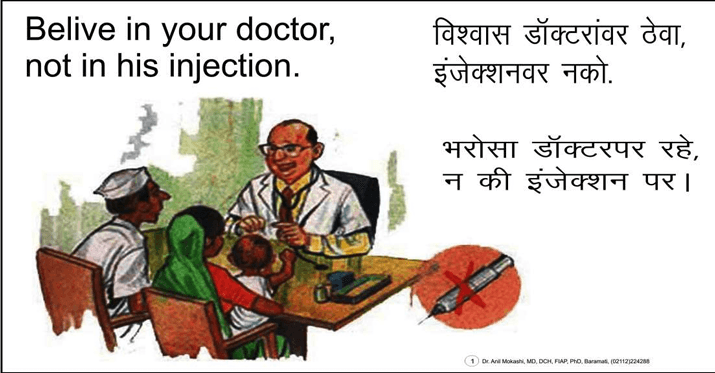
#19 इंजेक्शन आवश्यक असतात का? बहुतेक लोकांना वाटतं की इंजेक्शन दिल्याशिवाय औषधांचा प्रभाव जाणवत नाही. ही लोकांची मानसिकता आहे. मात्र, डॉक्टर म्हणून आम्हाला हे स्पष्टपणे माहीत आहे की तोंडाद्वारे दिलेली औषधे देखील तितकीच प्रभावी असतात, आणि अनेक वेळा इंजेक्शन आवश्यक नसतात. आम्ही, डॉक्टर, स्वतःच्या मुलांसाठी किंवा स्वतः आजारी असलो तरी उगाचच इंजेक्शन घेत नाही. मात्र, समाजात अशी समजूत आहे की “इंजेक्शन दिलं की आजार पटकन बरा होतो.” या समजुतीमुळे लोक डॉक्टरांकडे जाऊनही “सुई हवी” असं आग्रहाने सांगतात. अनावश्यक इंजेक्शनांचे दुष्परिणाम इंजेक्शन दिल्यावर त्याचे काही गंभीर दुष्परिणाम होऊ शकतात. गळू होणे, पोलिओसारखे आजार होणे, नसांना किंवा स्नायूंना कायमची इजा होणे, त्वचेवर रिऍक्शन होणे असे परिणाम डॉक्टरांना माहित आहेत. मात्र, हे दुष्परिणाम लोकांना माहित नसतात. लोकांच्या समाधानासाठी किंवा “डॉक्टरकडे गेलो तर इंजेक्शन दिलं जातंच” या अपेक्षेनेच डॉक्टर इंजेक्शन देतात. पण यामुळे डॉक्टरांच्या ज्ञानाला आणि वैद्यकीय शास्त्राला बाजूला ठेवावं लागतं. आणि कधी कधी पेशंटच्या आरोग्यावर याचा वाईट परिणाम होतो. समाजाची भूमिका या समस्येवर डॉक्टर आणि समाज दोघांनाही विचार करायला हवा. डॉक्टरांनी अनावश्यक इंजेक्शन्सचे दुष्परिणाम समजावून सांगणारे पोस्टर्स, चार्ट्स क्लिनिकमध्ये लावले पाहिजेत. पेशंट्सना “आमचा तुमच्यावर पूर्ण विश्वास आहे. औषधं पुरेशी असतील तर इंजेक्शन नको” असं स्पष्टपणे सांगायला हवं. त्याचप्रमाणे, समाजानेही डॉक्टरांवर विश्वास ठेवायला हवा. तपासणीसाठी फी देताना “आमचं समाधान करण्यासाठी इंजेक्शन देऊ नका; गरज असेल तेव्हाच द्या,” असं सांगायला हवं. योग्य उपचार कसे निवडावे? इंजेक्शन किंवा औषधांचा निर्णय हा फक्त डॉक्टरांनी पेशंटच्या आजाराची परिस्थिती पाहून घ्यायला हवा. डॉक्टरांना त्यांच्या ज्ञानाचा उपयोग करून योग्य उपचार करण्याचं स्वातंत्र्य मिळायला हवं. डॉक्टर आणि पेशंट यांच्यात विश्वासाचं नातं असेल तर अनावश्यक उपचार कमी होतील, आणि आरोग्य व्यवस्थेला एक नवा दृष्टिकोन मिळेल. आरोग्य हे फक्त डॉक्टरांवर नाही, तर समाजाच्या सकारात्मक दृष्टिकोनावरही अवलंबून असतं. योग्य विचारांनी आपण सर्वांचं आरोग्य सुधारू शकतो. – विद्यावाचस्पति डॉ. अनिल मोकाशी (बालरोगतज्ञ)एमबीबीएस, एमडी, डीसीएच, एफआयएपी,पीएचडी (मुलांची वाढ व विकास)

अनावश्यक इंजेक्शन्स: एक गंभीर समस्या Read Post »

Helping Children Cope with Stress – Practical Support Strategies

#17 Childhood may seem like a simple time, but even young children face pressures that can lead to stress. The good news is that with understanding and the right strategies, caregivers can help children manage these feelings. From quality time to open communication, there are numerous ways to support children in developing resilience and coping skills. Here are some practical approaches that can make a big difference. Quality Time: Your Presence Matters More Than You Know Children find comfort in the presence of trusted adults. Taking time to connect with them individually not only strengthens the bond but also provides a safe space for them to share their feelings. It can be as simple as playing a game together, reading a book, or going for a walk. This time reassures them that they are loved and supported. Listening without judgment and being responsive to their concerns helps children feel heard. If they seem reluctant to talk, gentle encouragement often helps. Sometimes, children communicate their stress through behavior rather than words, so it’s crucial to be attentive to any changes in their habits or mood. Encouraging Open Conversations About Emotions Children need to know that it’s okay to talk about their worries. Encourage open conversations by letting them know it’s natural to feel scared, sad, or frustrated. This openness creates an environment where they feel safe expressing themselves without fear of being judged or misunderstood. Talking about feelings can make emotions more manageable. It also teaches children a lifelong skill: the ability to name, understand, and cope with their emotions. Simple reassurance can go a long way in helping them navigate these feelings. Providing Routine and Stability Children feel more secure with a consistent daily routine. Knowing what to expect each day gives them a sense of control, which can reduce feelings of anxiety. When changes are necessary, explaining them in a way they can understand can ease their adjustment. Alongside routine, limiting exposure to distressing media is essential. News stories about disasters, accidents, or violence can be very troubling for children. Monitor what they watch and explain things in a way that helps them feel safe. Answer their questions calmly and avoid exposing them to more detail than necessary. Seeking Professional Support When Needed If your child’s stress seems to persist, or if they are struggling in school or at home, it’s helpful to consult a counselor, teacher, or mental health professional. Persistent stress can impact a child’s well-being and development, so don’t hesitate to seek help if needed. The well-being of children should be a priority. Taking these small steps to address their stress and show them that their concerns matter creates a positive impact on their mental and emotional health. Every child deserves the reassurance that they are not alone and that help is available whenever they need it. – Dr. Anil Mokashi (Pediatrician)MBBS, MD, DCH, FIAP, PhD(Child Growth and Development)

Helping Children Cope with Stress – Practical Support Strategies Read Post »

Childhood Stress

Recognizing Stress in Children – From Newborns to School Age

#16 When we think of childhood, we imagine a carefree time full of happiness and play. As adults, it’s easy to overlook that children experience their own kinds of stress—even babies have their own challenges. Just like adults, children’s stress responses are unique to their age and environment. Recognizing these signs and understanding the root of their worries helps us support them as they navigate these emotions. Stress in Newborns and Babies: An Early Start to Anxiety Yes, it’s true—even babies experience stress. Though they can’t express it in words, they feel anxiety due to various factors, like separation from their mother, overstimulation, hunger, or discomfort. Newborns are deeply sensitive to their surroundings and can even sense tension or stress from their caregivers. Since they cannot communicate through language, crying becomes their way of expressing these feelings. Creating a predictable and soothing environment with consistent routines, gentle touch, and calm surroundings can work wonders for a baby’s sense of safety. It may surprise you, but babies have a keen awareness of the world around them. They respond to the security and calm provided by those closest to them. Everyday Stressors for Toddlers and Preschoolers As children grow, their concerns shift along with their age. Toddlers and preschoolers often feel stress around separation from their parents or primary caregivers, particularly in new settings or at the beginning of school. Additionally, exposure to loud sounds, chaotic environments, or constant change can leave them feeling overstimulated or uneasy. It’s important for caregivers to recognize that what may seem insignificant to an adult can be overwhelming for a young child. Acknowledge their feelings, provide calm reassurance, and help them ease into new situations at their own pace. Small steps like talking them through the day’s plan or letting them know you’ll be there soon can help make a difference. Older Children: Stress in the School Years For older children, especially school-aged kids, stress takes on a new form. Academic pressures, the desire to fit in with peers, or a busy schedule of extracurricular activities can contribute to their stress. If a child’s schedule becomes too packed, they may start to show signs of burnout. Some children might complain of feeling “too busy” or may begin resisting certain activities. At home, they may show more signs of frustration, defiance, or become more withdrawn. It’s also worth noting that kids pick up on adult stress. They notice conversations about work, financial struggles, or family conflicts. Even news stories they see on TV about accidents or disasters can make them worry about safety. Providing a calm, stable atmosphere and a reliable routine at home can offer significant support. Recognizing and acknowledging a child’s stress is the first step toward helping them cope. A little attention and reassurance go a long way in helping children manage these complex feelings. In my next post, we’ll talk about ways to help children cope with stress in a healthy and effective way. – Dr. Anil Mokashi (Pediatrician)MBBS, MD, DCH, FIAP, PhD(Child Growth and Development)

Recognizing Stress in Children – From Newborns to School Age Read Post »

Autism and the Role of the Mother

Autism and the Role of the Mother (Part 2)

#15 Building on the previous discussion, here we address additional aspects of raising a child with autism and the mother’s role in fostering development. To further help an autistic child, here are more important points to consider: 1. Social Interaction and Play Social interaction is difficult for children with autism, but it is essential. Encouraging play with siblings or peers and teaching them to take turns is a valuable way to build social skills. Autistic children may prefer solitary or repetitive play, but structured play with clear rules can promote social engagement. Isolating the child is not helpful—exposure to social settings and social skill training can help increase their ability to interact with others. 2. Handling Sensory Challenges Autistic children may be hypersensitive or under-sensitive to sensory inputs such as light, sound, or touch. Mothers need to observe their child’s sensory preferences and create an environment that minimizes discomfort. Measures such as reducing noise, dimming lights, or using weighted blankets can help the child cope with sensory overload and reduce meltdowns. 3. Taking Help from Doctors and Specialists Both the mother and child need support from professionals. Autism requires management, not treatment. Good handling of problems leads to positive outcomes, while poor handling can create abnormal behaviors. Early intervention services, speech and occupational therapies, and social skills training from experts can greatly help the child. Mothers should learn from these professionals and cooperate fully to ensure the best possible support for their child. 4. Self-Care for Mothers Raising an autistic child is physically and emotionally demanding. Mothers need to take care of their mental health. Joining support groups with other mothers in similar situations can provide emotional support and advice. Celebrating small milestones and recognizing progress will help maintain a positive mindset. Mothers should prioritize their own well-being as much as their child’s. 5. Preparing for the Future While it’s important to focus on the present, mothers should also prepare for what comes next. As the child grows, their needs will change, and they will require new skills to become more independent. Teaching them daily living skills and fostering independence should start early to help them navigate the future more effectively. Autism is a lifelong journey, and the mother plays a pivotal role in her child’s development. With love, patience, and support from family and professionals, mothers can help their autistic child thrive. Understanding the unique needs of the child and providing them with a stable, loving environment will enhance their quality of life and ensure they reach their full potential. – Dr. Anil Mokashi (Pediatrician)MBBS, MD, DCH, FIAP, PhD(Child Growth and Development)

Autism and the Role of the Mother (Part 2) Read Post »

Scroll to Top