#09
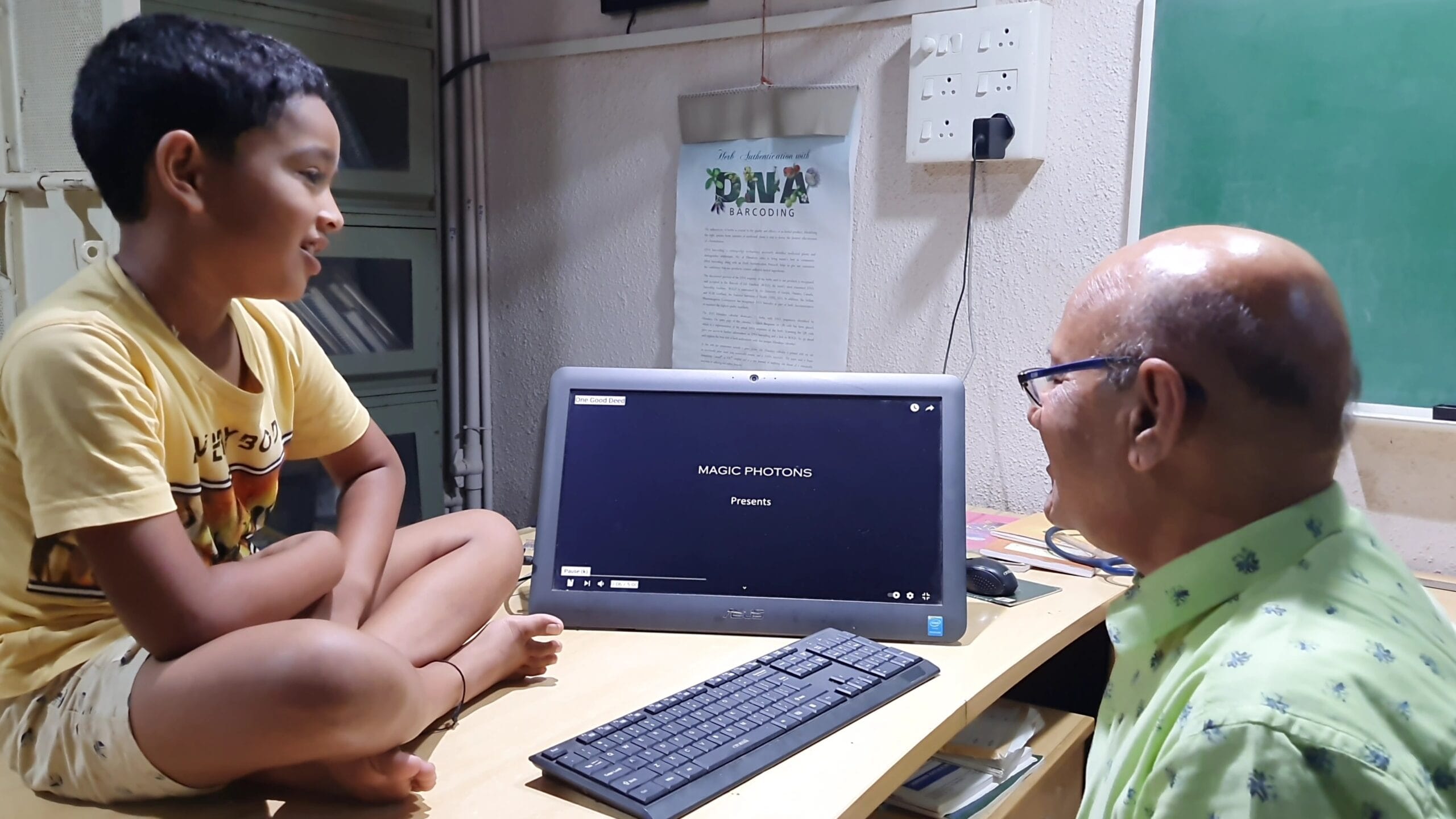
Children’s minds are highly adaptable, and they quickly learn to navigate the digital world. Their brains are incredibly flexible – a phenomenon called “neuroplasticity.” In fact, during the first three years of life, a child’s brain forms over a million new connections every second! Exposure to digital media can enhance listening, comprehension, and decision-making skills, which is why the younger generation often seems “smarter” than we were at their age.
However, many misconceptions surround technology, particularly smartphones. Misinformation and fear drive assumptions that screens cause issues like insomnia, cancer, anxiety, ADHD, and more. While these concerns are valid to some extent, many are exaggerated or based on pseudoscience. We must approach these issues with a balanced, scientific perspective, especially as artificial intelligence and other technologies increasingly integrate into our daily lives.
Teaching Responsible Digital Use
It’s crucial to teach children how to be safe and responsible in their use of technology. Here’s a list of essential digital safety principles for children:
- Block Inappropriate Content Immediately
Any obscene or inappropriate content should be closed, deleted, and blocked on sight. Teach children to do this without hesitation. - Beware of Cyberbullying and Scams
Never share personal information such as phone numbers, passwords, or money online. If someone asks for these, children should notify an adult immediately. - Limit Screen Time
Children should spend no more than 1-2 hours a day on their devices. Encourage them to self-regulate, ensuring they know when it’s time to disconnect. - Parental Oversight
Let the adults in the household know what children are doing online. They are better equipped to identify potential dangers. - Respect Screen Time Boundaries
Teach children not to use mobile devices during meals or close to bedtime. The blue light from screens can affect sleep patterns, so it’s crucial to turn them off at least an hour before bed. - Report Unusual or Scary Content
Encourage children to share if they come across anything that makes them feel uneasy or frightened online. Parents can then help block or report the content. - Be a Creator, Not Just a Consumer
Urge children to actively participate in the digital world. They can learn to create videos, write, or code – skills that will set them apart in the future. - Learn Digital Skills for Success
As they grow, children should learn valuable digital skills like Word, PowerPoint, video editing, and coding to keep up with modern demands.
– Dr. Anil Mokashi (Pediatrician)
MBBS, MD, DCH, FIAP, PhD
(Child Growth and Development)